How to Properly Dispose of Used Contact Lenses (and Why It Matters)
Over 45 million people in the U.S. wear contact lenses, and improper disposal contributes to microplastic pollution in waterways. Flushing lenses down the sink or toilet can lead to environmental harm because they don’t break down and can damage aquatic ecosystems. You can take action by joining the Contact Lens Recycling Program | Bausch + Lomb ONE by ONE, the first industry-led initiative of its kind, which safely recycles used lenses and packaging. Doing your part ensures a healthier planet and reduces long-term pollution risks.
Key Takeaways:
- Flushing used contact lenses down the sink or toilet adds to microplastic pollution-these lenses break down into tiny plastic fragments that wastewater systems can’t fully filter, ending up in rivers, lakes, and oceans.
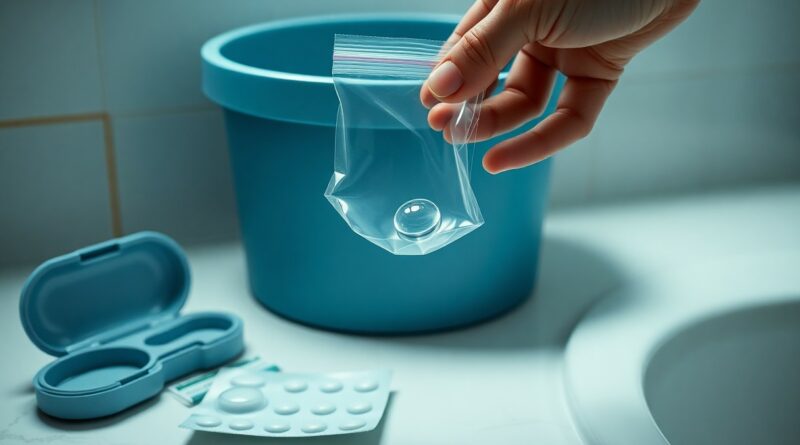
- Dispose of used lenses and their packaging in the regular trash, not the drain; seal them in a plastic bag or container to prevent leakage and reduce environmental contamination.
- Take advantage of recycling programs like Bausch + Lomb’s ONE by ONE, which collects used lenses and blister packs at designated locations to keep plastic waste out of landfills and support sustainable manufacturing practices.
Factors Contributing to Microplastic Pollution
Flushing used contact lenses down the sink or toilet leads to the degradation of materials into harmful microplastics in our waterways. These tiny plastic particles enter wastewater systems that aren’t designed to filter them out. Once released into rivers and oceans, they persist for years.
- Improper disposal of lenses adds to global microplastic load
- Sewage treatment plants fail to capture all lens fragments
- Polymer-based lenses slowly fragment into persistent pollutants
Assume that every flushed lens contributes to long-term environmental harm.
The impact of improper drainage disposal
You send microplastics into waterways when you rinse used contact lenses down the drain. Wastewater facilities can’t fully capture these small synthetic fragments. They flow into rivers, lakes, and coastal areas, endangering aquatic life. Plastic pollution from personal care items like lenses is measurable and preventable. Assume that your sink isn’t a safe exit point for lens waste.
How lens materials break down in water systems
Soft contact lenses are made from hydrogel or silicone hydrogel, materials that resist immediate breakdown but degrade slowly in water. Mechanical stress and microbial action in sewage systems chip lenses into smaller fragments. These particles become microplastics under environmental pressure. Assume that even biodegradable claims don’t mean safe disposal via drains.
Over time, the polymers in contact lenses undergo physical fragmentation rather than full chemical decomposition. Studies show that silicone hydrogel lenses can shed particles as small as 1-5 micrometers during wastewater processing. These microplastics are ingested by marine organisms and enter the food chain. Unlike organic waste, they persist for decades, accumulating in sediment and aquatic species. Assume that no lens material fully disappears once flushed.
How-To Correctly Dispose of Lenses in the Trash
You should always place used contact lenses directly into your household trash, where they will be processed as solid waste. This method prevents lenses from entering waterways and avoids contributing to microplastic pollution. Flushing or rinsing lenses down the sink is never safe-they can slip through filters and end up in the environment.
Establishing a daily disposal routine
Your consistency matters when disposing of lenses. Make it a habit to discard each lens into the trash immediately after removal, right after placing your daily wear lenses in the bin, you reduce the risk of accidental flushing. Building this small habit protects aquatic ecosystems and aligns with optometrist recommendations.
Managing lens blister packs and cardboard components
Plastic blister packs and foil lids aren’t typically accepted in standard curbside recycling. Place empty blister packs and foil in the trash unless you join a specialized program like Bausch + Lomb’s “One by One” initiative. Cardboard boxes can usually be recycled if free of plastic and foil.
Specialized recycling programs offer a responsible alternative for packaging waste. Bausch + Lomb’s “One by One” program, launched in partnership with TerraCycle, allows users to collect used blister packs, foil, and applicators, then mail them for free. Since its start, the program has diverted over 10 million packs from landfills, making it a meaningful option for eco-conscious wearers.
Tips for Participating in Specialized Recycling Programs
Programs like Bausch + Lomb’s ONE by ONE accept used contact lenses and blister packaging that regular recycling can’t process. Collect your waste at home, then drop it off at a participating location. Thou can make a measurable difference by joining these targeted efforts.
Locating participating eye care professional collection points
You’ll find designated drop-off sites through the ONE by ONE program’s online locator, which lists thousands of eye care professionals across the U.S. and Canada. Many optometrists and optical centers host collection bins in their offices. Thou can contribute responsibly by using these accessible, verified locations.
Preparing and storing materials for bulk recycling
Save used lenses, blister packs, and foil lids in a clean, dry container until you have enough to send in. The ONE by ONE program recommends sealing them in a box or bag to prevent spills. Thou helps ensure efficient processing by keeping materials contained and contamination-free.
Proper preparation means collecting all components-lenses, plastic trays, and aluminum foil-even if they seem too small to matter. These materials are separated and processed at specialized facilities capable of handling mixed waste streams. By storing them together in a labeled container, you support the ONE by ONE program’s goal of diverting millions of pounds of contact lens waste from landfills annually.
Practical Steps to Reduce Your Environmental Impact
You can significantly lower your environmental impact by treating used contact lenses as non-flushable medical waste. Always dispose of lenses in the trash, never down the sink or toilet, to prevent them from entering waterways where 86% of contact lenses flushed contribute to microplastic pollution. Pair this habit with recycling lens packaging through programs like Bausch + Lomb’s partnership with TerraCycle.
Strategies for reducing total waste volume
Your choice of lens type affects waste volume-monthly or bi-weekly lenses generate less packaging than daily disposables. Switching to longer-wear lenses reduces the number of blister packs and foil wrappers entering landfills. One year of daily disposables equals over 1,400 plastic blister packs per wearer, so extending wear frequency cuts waste dramatically.
Educating other wearers on proper disposal techniques
You play a key role in spreading awareness-many wearers don’t know flushing lenses harms aquatic ecosystems. Share facts: 15% of contact lens users admit to flushing them, contributing to microplastic buildup in oceans. A simple conversation with friends or social media post can shift habits and reduce environmental damage.
When you inform others, you amplify impact. Optometrists, eye clinics, and university health centers have started including disposal instructions in patient handouts since 2020, following research from Arizona State University that exposed the environmental toll of flushed lenses. By advocating for clear labeling on lens cases and joining community outreach efforts, you help normalize responsible practices and protect water systems long-term.
Conclusion
To wrap up, you play a direct role in reducing microplastic pollution by disposing of used contact lenses in the trash instead of the sink or toilet. Programs like ONE by ONE offer a responsible way to recycle lenses and blister packs, ensuring they don’t harm waterways. Your everyday choice supports a healthier environment.
FAQ
Q: Why can’t I flush used contact lenses down the toilet or sink?
A: Flushing contact lenses sends them into wastewater systems where they don’t break down. These lenses are made of plastic materials like silicone hydrogel or hydrogel, which resist degradation. During water treatment, they often fragment into microplastics-tiny plastic particles that escape filtration and enter rivers, lakes, and oceans. These microplastics are ingested by aquatic life, entering the food chain and potentially affecting human health. A study found that a single flushed contact lens can contribute significantly more microplastic pollution than previously recognized.
Q: What is the correct way to dispose of used contact lenses?
A: Used contact lenses should be placed in the regular household trash, not the recycling bin or drain. After removing the lens, let it dry slightly, then place it in a small sealed container or plastic bag to prevent it from becoming airborne or contaminating water sources. Toss the container in your general waste. This method keeps lenses out of water systems and reduces the chance of environmental harm. Always wash your hands afterward to maintain hygiene.
Q: Are there recycling programs for used contact lenses and packaging?
A: Yes, Bausch + Lomb offers the ONE by ONE Recycling Program in partnership with TerraCycle. This program accepts used contact lenses, lens blister packs, foil wrappers, and even storage cases. Participants collect these items in a box, print a free shipping label from the program’s website, and mail them for recycling. The materials are processed into raw plastic and used to make products like outdoor furniture and storage bins. Many eye care offices also serve as drop-off locations for this program.
Q: Do all types of contact lens packaging qualify for recycling programs?
A: Most components of contact lens packaging can be recycled through specialized programs. This includes plastic blister packs, aluminum foil covers, plastic storage cases, and paperboard boxes. Standard curbside recycling does not accept these mixed-material items because they’re too small or made of composite materials. Programs like ONE by ONE are designed specifically to handle this waste. Always check the program guidelines before sending materials to ensure they meet requirements.
Q: How can contact lens wearers reduce their environmental impact?
A: Choosing daily disposable lenses over extended-wear types can simplify disposal and reduce chemical use from cleaning solutions. Opting for brands with eco-conscious packaging or participating in take-back programs helps too. Some wearers switch to reusable silicone lenses that last longer, cutting down on plastic waste. Being mindful of disposal habits-like never flushing lenses and properly sorting recyclables-makes a measurable difference over time. Small daily choices add up to meaningful environmental protection.
