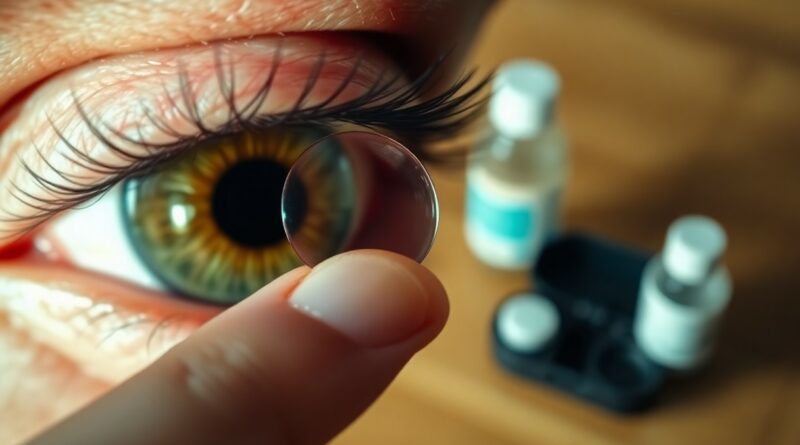
Why Your Contact Lenses Feel Uncomfortable—and How to Fix It
Key Takeaways:
- Dry air from heaters, air conditioning, or prolonged screen use can reduce tear film stability, making lenses feel scratchy or dry-using preservative-free artificial tears and taking screen breaks often brings quick relief.
- Protein and lipid deposits build up on lenses over time, even with proper cleaning, leading to irritation-switching to a peroxide-based cleaning system or replacing lenses as scheduled helps maintain comfort.
- A lens fit that’s too tight or too loose, or a solution ingredient that causes sensitivity, can cause persistent discomfort-consult your eye doctor if adjusting care routines doesn’t help, as a different lens material, design, or solution may be needed.
Identifying Environmental and Biological Factors
Discomfort is frequently caused by dry environments and seasonal allergies. Low humidity levels in heated or air-conditioned spaces reduce tear film stability, while allergens like pollen trigger irritation. Perceiving these triggers helps you adjust habits for better lens comfort.
Managing eye health in dry or climate-controlled spaces
Dry indoor air from HVAC systems accelerates tear evaporation, increasing lens discomfort. Using a humidifier and taking breaks from screens can restore moisture. Perceiving subtle dryness early prevents prolonged irritation and maintains healthy wear.
Reducing the impact of allergens on lens wear
Allergens like pollen and dust cling to lenses, worsening discomfort during high-allergy seasons. Daily disposable lenses reduce buildup, and wearing sunglasses outdoors helps. Perceiving pollen counts allows you to plan lens use accordingly.
Switching to daily disposables during spring or fall significantly lowers allergen exposure, as fresh lenses each day prevent accumulation. Avoid rubbing your eyes and use preservative-free artificial tears to flush irritants. Perceiving how seasonal changes affect your eyes empowers smarter lens choices and reduces allergic flare-ups.
Assessing Lens Hygiene and Material Integrity
Protein and lipid deposits accumulate on your lenses with daily wear, reducing oxygen flow and causing eye irritation. Wearing lenses past their recommended lifespan increases this risk significantly. Learn more about what triggers discomfort by visiting Eye Irritation From Contacts: Causes and Treatment.
Effective cleaning techniques to eliminate deposits
Rubbing your lenses with fresh solution each day removes protein and lipid buildup more effectively than soaking alone. Always use the solution recommended for your lens type and avoid reusing old solution. This simple step prevents irritation and maintains lens clarity over time.
The importance of adhering to lens expiration dates
Your lenses degrade beyond their expiration date, increasing the risk of surface damage and discomfort. Manufacturers design them for safe use only within a specific timeframe. Sticking to these dates ensures optimal performance and eye health.
Even if your lenses appear intact, microscopic changes can occur after the expiration date, compromising their fit and breathability. These subtle shifts may lead to corneal stress or infection over time. Always check the packaging for the exact replacement schedule-whether daily, bi-weekly, or monthly-and follow it without exception.
Evaluating Fit and Chemical Sensitivities
Physical discomfort can be linked to a wrong base curve or a sensitivity to specific ingredients in lens solutions. If your lenses feel tight, shift excessively, or cause redness, the base curve measurement may not match your eye’s curvature, leading to poor lens stability and irritation.
How base curve measurements affect lens stability
Your eye’s curvature determines the ideal base curve, typically ranging from 8.0 to 10.0 mm. A mismatch-such as using a 8.6 mm lens on a steeper cornea-causes the lens to fit too tightly or loosen prematurely, reducing oxygen flow and increasing discomfort during wear.
Identifying and switching irritating solution ingredients
You may react to preservatives like thimerosal or polyquaternium-1 in multipurpose solutions. Symptoms include itching, burning, or swollen eyelids. Switching to a preservative-free, hydrogen peroxide-based system like Clear Care can resolve irritation linked to chemical sensitivity.
Some contact lens solutions contain ingredients known to trigger allergic reactions over time. For example, repeated exposure to polyhexamethylene biguanide (PHMB) may lead to corneal deposits or chronic dryness. If you experience persistent discomfort, consider switching to a peroxide-based disinfection system, which fully neutralizes after 6 hours and eliminates residue that irritates sensitive eyes.

Actionable Solutions for Daily Comfort
Small changes in your routine can make a big difference in lens comfort. Updating your cleaning routines, switching to a different solution, and sticking to recommended wear schedules directly address common causes of irritation. Consistency with these habits supports healthier eyes and more comfortable lens wear throughout the day.
Tips for optimizing your lens care regimen
Start by rinsing and storing lenses with fresh solution daily-never reuse old solution. Use only the recommended cleaning system for your lens type and replace your case every three months. Clean your hands thoroughly before handling lenses. Recognizing contamination risks early helps prevent discomfort and infections.
- Always wash hands before touching lenses
- Replace your lens case every 3 months
- Use fresh solution daily-never top off old
- Follow the lens cleaning routine specified by your eye care professional
Selecting compatible products for sensitive eyes
Some eyes react poorly to preservatives in certain solutions. If you experience redness or dryness, switch to a preservative-free or hypotonic solution designed for sensitivity. Brands like Opti-Free PureMoist or Biotrue offer formulations that reduce irritation. Matching your solution to your eye type improves comfort significantly.
When you have sensitive eyes, even minor chemical exposure can trigger discomfort. Preservatives like thimerosal or benzalkonium chloride found in some multipurpose solutions may cause reactions over time. Opting for preservative-free packaging or hydrogen peroxide-based systems can minimize this risk. These systems fully neutralize after disinfection, leaving a gentler solution for delicate eyes. Recognizing signs of chemical sensitivity early-like itching or burning-helps you adjust before problems worsen.
When to See an Optometrist
You should schedule an appointment if lens discomfort continues beyond a day or two, or if you notice symptoms like redness, blurred vision, or light sensitivity. Persistent pain or sudden changes in vision require immediate attention-don’t wait, as these could signal infection or corneal damage.
Recognizing symptoms that require professional intervention
Pain, excessive tearing, or a gritty feeling that doesn’t improve with lens removal may indicate a serious issue. Seeing halos around lights, swelling, or discharge are red flags-these signs suggest you need care fast to prevent complications like corneal ulcers.
What to expect during a diagnostic eye exam
Your optometrist will review your lens wear habits and examine your eyes using a slit lamp to detect surface damage. They may test your tear film quality and check for signs of infection or dry eye, ensuring an accurate diagnosis.
During the diagnostic eye exam, the optometrist might use fluorescein dye to highlight scratches on your cornea under blue light. They’ll assess your prescription accuracy, evaluate lens fit, and may take a swab if infection is suspected. Early detection of conditions like microbial keratitis can prevent permanent vision loss, making timely evaluation crucial.
Summing up
To wrap up, if your contact lenses feel uncomfortable, it could stem from improper fit, dry eyes, lens deposits, or wearing them longer than recommended. One eye feeling different than the other might indicate an issue like uneven tear production or corneal sensitivity-explore discussions such as Why is one of my eyes always uncomfortable when I wear … for real-user insights. Always consult your eye care professional to address root causes and protect long-term eye health.
FAQ
Q: Why do my contact lenses feel dry and scratchy, especially in the afternoon?
A: Dryness is one of the most common reasons contact lenses become uncomfortable later in the day. Indoor heating, air conditioning, extended screen time, and low humidity environments reduce tear production and increase evaporation. When your eyes don’t stay moist enough, lenses can stick to the surface or feel gritty. Try using preservative-free artificial tears made for contact lens wearers. Limit screen time when possible, take frequent blinking breaks, and consider switching to daily disposable lenses, which tend to retain moisture better and accumulate fewer deposits.
Q: Could my allergies be making my contact lenses uncomfortable?
A: Yes, seasonal or environmental allergies often cause itchy, watery, and irritated eyes, which worsen when wearing contacts. Pollen, dust, and pet dander can stick to lens surfaces, triggering discomfort. Daily disposables are a better choice during allergy season because you discard them every night, reducing allergen buildup. Over-the-counter antihistamine eye drops labeled safe for contact lens use may help, but consult your eye doctor before using any medication. If symptoms persist, your doctor might suggest wearing glasses temporarily until allergy flare-ups subside.
Q: I’ve been using the same lens solution for years-can that cause irritation?
A: Yes, some people develop sensitivity to certain ingredients in contact lens solutions over time, especially preservatives like thimerosal or polyquaternium. Signs include redness, stinging when inserting lenses, or a persistent feeling of something in your eye. Switching to a preservative-free saline solution or a different multipurpose formula may resolve the issue. Always rinse your lenses with sterile saline if your solution recommends it. If irritation continues after changing solutions, stop wearing your lenses and see your optometrist to rule out corneal damage or allergic reactions.
Q: My lenses feel loose or shift when I blink-could the fit be wrong?
A: An improper fit is a frequent cause of discomfort. If your lenses move too much, feel tight, or slide out of place, the base curve or diameter might not match your eye’s shape. Wearing lenses with the wrong curvature can lead to abrasions, dry spots, or blurred vision. Only an eye care professional can measure your cornea and determine the correct fit. Do not adjust lens parameters on your own. Schedule a contact lens evaluation to ensure your prescription and fit are accurate, especially if you’ve had changes in vision or eye health.
Q: I’ve worn my lenses past their recommended replacement date-can that cause problems?
A: Wearing lenses beyond their intended lifespan increases the risk of discomfort, infection, and corneal damage. Over time, microscopic tears develop, protein and lipid deposits build up, and the lens material degrades, reducing oxygen flow to the eye. Even if your lenses look fine, they may no longer be safe or comfortable. Always follow the replacement schedule on your prescription-whether daily, bi-weekly, or monthly. If you experience redness, pain, or sudden sensitivity to light after overwearing lenses, remove them immediately and contact your optometrist.
