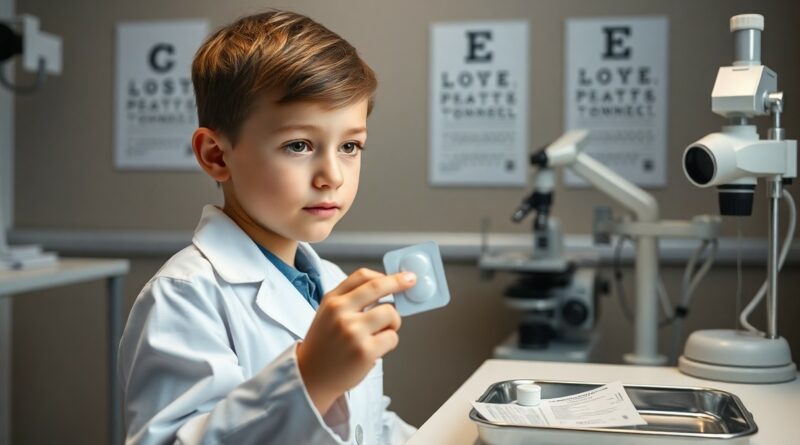
Children and Disposable Contact Lenses – At What Age Is It Safe to Start?
Many parents wonder when their child is ready for disposable contact lenses, and while age can be a factor, maturity and responsibility matter more than a number. Some children as young as 8 successfully wear contacts, but poor hygiene can lead to serious eye infections. You know your child best-consider their ability to follow routines and care for their lenses. Improved confidence and sports performance are common benefits reported by young wearers.
Key Takeaways:
- Many children as young as 8 to 10 can safely wear daily disposable contact lenses if they show responsibility in personal hygiene and follow care instructions consistently-age matters less than maturity and willingness to follow routines.
- Daily disposable lenses are often the best choice for children and teens because they reduce the risk of infection, require no cleaning or storage, and simplify the wearing experience, making them easier to manage for first-time users.
- Contact lenses like CooperVision’s MiSight can help slow the progression of myopia in children, offering both vision correction and long-term eye health benefits, but success depends on proper fitting, regular eye exams, and parental involvement in daily use.
Critical Factors for Determining Readiness
Success with disposable contact lenses depends less on age and more on behavioral maturity.
- Hygiene readiness
- Ability to follow instructions independently
Knowing when your child is truly prepared can prevent complications. For more guidance, explore When Can Kids Wear Contacts?.
Assessing Behavioral Maturity
Your child’s consistency in daily routines speaks volumes. Following instructions independently without constant reminders reflects a level of self-discipline needed for contact lens wear. Watch how they handle tasks like packing school supplies or managing homework. Knowing
Evaluating Personal Responsibility
Handling contact lenses demands daily commitment. Hygiene readiness is non-negotiable-your child must wash hands, clean cases, and avoid risky behaviors like sleeping in lenses. If they already manage personal chores reliably, they may be ready. Knowing
Children who demonstrate responsibility in other areas of life often adapt well to lens care. A 2025 Henry Ford blog highlights real cases where kids as young as 10 succeeded not because of age, but because they followed protocols without supervision. Independent adherence to hygiene rules drastically reduces infection risks. Knowing
Step-by-Step Hygiene and Maintenance
Mastering proper hygiene is important when your child begins wearing disposable contact lenses. Children must master strict hygiene protocols including thorough hand-washing and proper lens handling to ensure eye safety and prevent infection. Learn more in this informative guide: Back-to-School Eye Care: Are Contacts Right for Your Child?
| Hygiene Step | Action Required |
| Hand-Washing | Wash hands thoroughly with soap and water for at least 20 seconds before handling lenses |
| Lens Case Care | Rinse case daily with solution, never water, and replace every three months |
| Storage Solution | Always use fresh solution; never reuse or top off old solution |
Establishing a Sanitary Routine
Your child should clean their hands and work area every time before touching lenses. Thorough hand-washing prevents harmful bacteria from transferring to the eyes, reducing the risk of serious infections. Consistency in this routine builds safe, long-term habits.
Techniques for Safe Insertion and Removal
Start by confirming clean, dry hands and a well-lit space. Proper lens handling means using the pads of your fingers, not nails, to avoid tearing the lens or scratching the eye. Practice in front of a mirror to increase accuracy and confidence.
Insertion and removal become safer with structured practice. Have your child place the lens on the fingertip, check for correct orientation, then pull the eyelid taut to center it on the eye. For removal, gently squeeze the lens between thumb and forefinger after pulling the eyelid open. Improper technique can lead to corneal abrasions or infections, so supervision is key until mastery is achieved.
Recommended Types of Lenses for Kids and Teens
Daily disposable lenses are ideal for children and teens due to their low risk of infection and ease of use. Lenses like MiSight offer proven myopia control, slowing progression by an average of 59% over three years. The
| Lens Type | Recommended For |
| Daily disposables | Children ages 8+ |
| MiSight | Myopia control in ages 8-12 |
| Bi-weekly disposables | Teens with good hygiene habits |
| Extended wear | Not recommended under age 18 |
Benefits of Daily Disposable Lenses
One fresh pair each day eliminates the need for cleaning and reduces the chance of eye infections. You never reuse lenses, so contamination risks are minimal. These lenses support healthier eyes and simplify routines, especially for younger wearers. The
Myopia Management with MiSight Technology
MiSight lenses are FDA-approved for children as young as 8 to slow myopia progression. You’ll notice measurable results, with clinical trials showing up to 59% reduction in axial elongation over three years. The
MiSight lenses use a unique dual-focus design that corrects central vision while creating peripheral defocus, which research shows helps slow the eye’s elongation. Worn daily like regular disposables, they’re designed specifically for growing eyes. You can expect structured follow-ups every six months to monitor progress and ensure optimal fit and effectiveness. The

Pros and Cons of Switching to Contacts
Choosing contact lenses for your child can offer increased self-esteem and convenience for sports, giving active kids freedom from glasses. However, the necessity of consistent care and initial learning curve in handling lenses pose challenges. For detailed guidance, visit Can Children Wear Contact Lenses?
| Pros | Cons |
| Improved self-esteem in social settings | Requires daily cleaning and proper hygiene |
| Greater comfort during physical activities | Initial difficulty inserting and removing lenses |
| No fogging or slipping during sports | Risk of eye infections if not cared for properly |
| Wider field of vision compared to glasses | Need for parental supervision at first |
| Less interference with helmet or goggles | Potential for lost or damaged lenses |
Lifestyle and Vision Advantages
Wearing contacts lets your child participate in sports without worrying about broken glasses. Convenience for sports and a more natural appearance often lead to increased self-esteem. Many report clearer side vision and fewer visual disruptions during movement.
Potential Risks and Management Challenges
Handling lenses requires discipline, and the necessity of consistent care can be tough at first. The initial learning curve may lead to frustration or improper use, increasing the risk of eye issues if hygiene is neglected.
Children must learn to wash hands, store lenses correctly, and avoid wearing them too long. Without proper habits, bacteria can build up, leading to infections. Your child’s success depends on your support and regular check-ins with their eye doctor to ensure safe use. Consistent care isn’t optional-it’s necessary for healthy vision.
Tips for Parents on Supervising the Transition
Parental involvement is crucial for monitoring the move from glasses to lenses; you should guide your child through the initial stages of ownership.
- Teach proper hand hygiene before handling lenses
- Review the daily wear schedule consistently
- Inspect lenses for tears or debris before insertion
- Use prescribed solutions only, never substitute
After establishing routine, confidence grows.
Monitoring Wear Time and Comfort
You must track how long your child wears their lenses each day. Watch for signs of eye redness, excessive blinking, or rubbing, which signal discomfort or overuse. Stick to the 8-10 hour daily limit recommended by eye care professionals. After noticing any persistent irritation, remove the lenses and consult your optometrist.
Encouraging Independence with Oversight
Let your child insert and remove lenses on their own, but supervise the first few weeks. Independence builds confidence, yet daily parental checks ensure hygiene and safety. After each use, verify lens storage and case cleanliness.
Building responsibility around lens care starts with structured freedom. Allow your child to manage their routine, but perform random checks on case replacement, solution freshness, and wear time logs. This balance supports growth while reducing risks like corneal infections from poor habits. After consistent success, gradually reduce direct oversight.
To wrap up
With these considerations, you can see that children can safely begin wearing disposable contact lenses when they show sufficient maturity, use the appropriate lens type, and have consistent parental support. Studies show successful use in children as young as eight, with safety and effectiveness well-documented when proper hygiene and follow-up care are maintained.
FAQ
Q: At what age can children safely start wearing disposable contact lenses?
A: There is no fixed minimum age, but most eye care professionals consider children as young as 8 to 10 years old ready for contact lenses if they show responsibility and good hygiene habits. The decision depends more on maturity than age. Many children begin wearing daily disposable lenses during middle school, especially if they participate in sports or feel self-conscious wearing glasses. An eye doctor will evaluate a child’s ability to handle lenses safely before prescribing them.
Q: Why are daily disposable lenses often recommended for children?
A: Daily disposable lenses are ideal for children because they are worn once and thrown away, eliminating the need for cleaning solutions or storage cases. This reduces the risk of eye infections caused by improper lens care. Parents find dailies easier to manage, and kids appreciate the convenience. Since each lens is fresh, there’s less chance of protein buildup or irritation, making them a healthier, low-maintenance option for young wearers.
Q: Can contact lenses help slow my child’s worsening eyesight?
A: Yes. Certain disposable contact lenses, like CooperVision MiSight, are FDA-approved to help slow the progression of myopia (nearsightedness) in children aged 8 to 12. These lenses use a special optical design to reduce the stimulus for eye growth that leads to increasing prescriptions. Daily wear of these lenses has been shown in studies to reduce myopia progression by about 50% over several years, offering a proactive way to support long-term eye health.
Q: How can I tell if my child is ready to wear contact lenses?
A: Look for signs of responsibility in everyday routines. Does your child consistently brush their teeth, keep their room tidy, manage homework without constant reminders, and follow multi-step instructions? These habits often reflect the discipline needed for contact lens care. Talk to your child about their interest in contacts and observe how they handle small tasks. A trial fitting with an eye doctor can also help assess readiness and build confidence.
Q: What can parents do to support their child during the switch from glasses to contacts?
A: Start with a clear plan and open communication. Schedule a consultation with an optometrist who specializes in pediatric vision. Practice inserting and removing lenses together using saline drops before the first wear. Set up daily routines, like placing lens supplies in the same spot each night. Monitor use during the first few weeks, checking for redness, discomfort, or skipped hygiene steps. Praise responsible behavior and address concerns quickly to build trust and safety.
