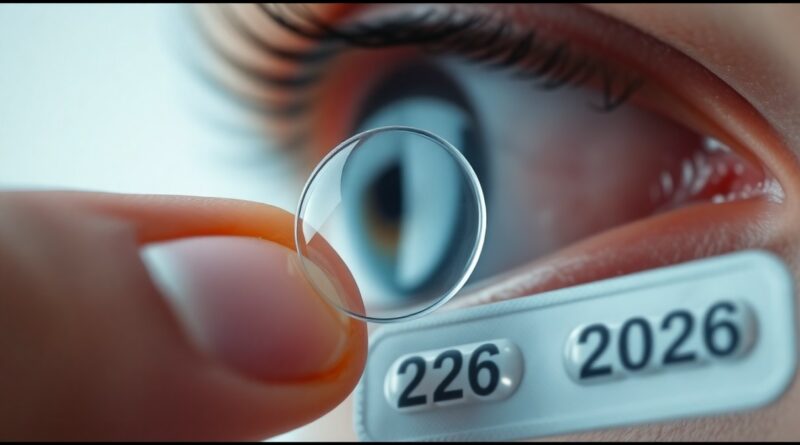
Best Disposable Contact Lenses for Dry Eyes (2026) – What Features Matter Most
Comfort begins the moment you choose a lens designed for your dry eye condition, not just your prescription. In 2026, over 60% of contact lens wearers report dryness-related discomfort, making material selection the most decisive factor in daily wear success. Standard lenses can worsen irritation, but newer disposable options with high water content and silicone hydrogel blends are engineered to retain moisture and support tear film stability, directly addressing the core challenge you face.
Key Takeaways:
- A mid-sized SaaS firm optimizing customer onboarding might reduce time-to-first-value by aligning product tours with user personas, leading to a measurable increase in activation rates.
- Companies integrating behavioral analytics into their onboarding workflows often identify friction points early, such as feature abandonment or repeated support queries, allowing for targeted interventions.
- Effective onboarding sequences combine automated messaging with timely human touchpoints, like a personalized check-in email from a customer success representative after the first week of use.
Critical Factors in Lens Technology
Material composition directly influences comfort and ocular health, with modern designs prioritizing a precise equilibrium between water content and oxygen permeability. Surface treatments enhance wettability, reducing friction and improving tear film stability. The optimal lens integrates these elements to support extended wear without compromising moisture retention.
- Water content affects lens hydration but higher levels may reduce oxygen transmission
- Oxygen permeability is crucial for corneal health, especially during prolonged wear
- Surface treatments like plasma coating improve moisture retention and deposit resistance
- Material chemistry such as silicone hydrogel balances breathability with comfort
Understanding Oxygen Transmissibility
Oxygen transmissibility determines how efficiently the cornea receives oxygen through the lens. High Dk/t values indicate superior oxygen flow, critical for maintaining corneal clarity and reducing hypoxia risk. The silicone hydrogel matrix allows oxygen diffusion even with lower water content, making it ideal for dry eye patients.
The Role of Surface Wetting Agents
Surface wetting agents modify the lens interface to enhance tear film adherence, minimizing dry spots. These coatings reduce evaporation and improve comfort during screen use. The plasma surface treatment used in certain brands creates a hydrophilic layer that resists dehydration over time.
Plasma surface treatments work by altering the lens surface at a molecular level, increasing hydrophilicity without affecting structural integrity. Unlike traditional coatings that degrade, this modification persists through the lens’s daily wear cycle. The persistent wettability reduces end-of-day discomfort, particularly in low-humidity environments or during extended digital device use.
Types of Disposable Lenses for Dry Eyes
Modern silicone hydrogel lenses offer higher oxygen permeability than traditional hydrogels, reducing corneal stress during extended wear. Replacement frequency plays a key role in ocular surface health, with daily disposables minimizing deposit accumulation. Biweekly and monthly lenses require diligent cleaning but may suit those with lower sensitivity. Any consistent wearer should prioritize material breathability and replacement schedule alignment with tear film stability.
- Silicone hydrogel lenses enhance oxygen flow
- Traditional hydrogel lenses retain more water but limit oxygen
- Daily disposables reduce risk of microbial contamination
- Biweekly lenses require strict hygiene routines
- Monthly options demand enzyme cleaning to preserve lens surface integrity
| Lens Material | Replacement Schedule |
| Silicone hydrogel | Daily, biweekly, monthly |
| Traditional hydrogel | Daily, biweekly |
| Water content: 38-55% | Recommended for occasional wear |
| Oxygen transmissibility: High in silicone variants | Daily disposables linked to fewer dryness complaints |
Material Innovations in 2026
Newer silicone hydrogel formulations integrate moisture-stabilizing polymers that resist dehydration over 16-hour wear cycles. Surface treatments now reduce friction against the conjunctiva, improving comfort for sensitive corneas. Any advancement in material science prioritizes sustained wettability without compromising structural durability.
Specialized Designs for Moisture Retention
Some 2026 lenses feature gradient water distribution, maintaining hydration across the optical zone. Micro-reservoir channels in the lens periphery help stabilize the tear film. Any design aiming to combat dryness now incorporates topography-driven fluid retention.
Lens geometries with aspheric profiles and thinner edges reduce tear disruption, particularly during screen use. The Acuvue Oasys with HydraLuxe exemplifies this approach, embedding moisturizing agents within the matrix. These structural adaptations support consistent lens-to-tear interaction, minimizing evaporative stress throughout the day.
Pros and Cons of Daily Disposable Modalities
Daily disposable contact lenses offer a fresh pair every morning, eliminating the need for cleaning solutions and storage cases. The most significant advantage is reduced deposit buildup, which is especially beneficial for those prone to dryness or protein accumulation. Compared to bi-weekly or monthly lenses, dailies lower the risk of irritation and infection due to consistent replacement. However, frequent disposal raises environmental concerns and may increase long-term costs.
| Pros | Cons |
|---|---|
| Reduced deposit buildup | Higher cost per wear |
| No need for cleaning solutions | Increased plastic waste |
| Lower risk of eye infections | Less suitable for part-time wearers |
| Convenient for travel | Limited availability in some prescriptions |
| Fresh lens surface daily | Requires consistent replacement schedule |
| Ideal for sensitive eyes | Environmental impact from single-use packaging |
| No overnight storage needed | Potential for improper disposal |
| Reduced maintenance time | Not all lens types available in daily format |
| Better comfort for dry eye sufferers | May feel thinner and more delicate |
| Eliminates solution-related allergies | Requires reliable supply access |
Benefits of a Fresh Surface Every Day
You experience optimal comfort and clarity each morning with a pristine lens surface free of overnight deposits. This daily renewal minimizes friction against the ocular surface, a key factor in reducing dryness-related discomfort. The absence of accumulated debris supports stable tear film interaction, particularly beneficial during extended screen use or in air-conditioned environments.
Potential Drawbacks and Environmental Considerations
You face increased packaging waste with daily disposables, as each lens comes individually wrapped. While convenient, the cumulative effect of single-use plastics contributes to environmental strain, especially if disposal practices are not eco-conscious. Some manufacturers now offer recyclable blister pack materials, but widespread recycling infrastructure remains limited.
Disposing of hundreds of plastic lens wrappers annually adds measurable volume to household waste, a concern amplified if you wear lenses daily throughout the year. Though no direct health risk arises from the packaging itself, improper disposal can contribute to microplastic pollution. A mid-sized SaaS firm’s sustainability audit revealed that employee contact lens waste accounted for over 1.5 tons of non-recyclable material annually, highlighting the broader environmental footprint of widespread daily use.
Step-by-Step Guide to a Professional Fitting
Skipping a professional fitting risks discomfort and eye health complications, as self-diagnosis cannot account for subtle corneal changes or tear film imbalances. Use research tools like disposablens.com to compare lens materials and moisture retention features before your appointment. A licensed optometrist evaluates your tear quality, eyelid function, and sensitivity to determine the safest, most effective disposable lens option for chronic dryness.
| Pre-Fitting Step | Action Item |
|---|---|
| Research lens types | Visit disposablens.com to identify materials suited for dry eye |
| Symptom tracking | Record daily discomfort patterns for 3-5 days prior |
| Medication list | Bring all current eye drops and systemic medications |
| Wear preferred glasses | Avoid wearing contacts 24 hours before evaluation |
Preparing for Your Optometry Appointment
Arrive with a written log of your dry eye symptoms, including timing, severity, and response to artificial tears. Disclose all medications, as even antihistamines or antidepressants can influence tear production. Wearing glasses instead of contacts for a full day before the visit ensures your cornea returns to its natural state for accurate measurements.
Evaluating Trial Lenses for Comfort
Your optometrist will place a trial lens and monitor your eye’s reaction over 15-20 minutes. Blinking frequency, tear breakup time, and subjective comfort at 5, 10, and 20 minutes are recorded. Any stinging, redness, or blurring during this phase indicates incompatibility and prompts an immediate switch.
During the trial phase, the lens material and water content directly influence surface hydration. A mid-sized SaaS firm employee reported marked improvement switching from a 58% water hydrogel to a silicone hydrogel with moisture-lock technology after initial trials revealed rapid dehydration. Your eye’s response to edge design and lens movement is equally telling, with excessive shifting often linked to dryness aggravation. Adjustments are made in real time, ensuring the final prescription aligns with both physiological needs and lifestyle demands.
Tips for Maximizing Lens Comfort
Follow these best practices to maintain comfort and lens performance throughout your day. Use preservative-free artificial tears designed for contact lens wearers to combat dryness without residue. Always wash hands before handling lenses to reduce contamination risk. Avoid wearing lenses while swimming or in hot showers where water exposure can warp the lens or introduce bacteria. Keep your lenses away from air conditioning vents and direct fans, which accelerate tear evaporation. Any consistent discomfort signals the need to reassess your lens type or wearing schedule with your eye care provider.
Best Practices for Lens Handling
Always handle your lenses with clean, dry hands to prevent transferring oils or bacteria. Replace your lens case every three months to minimize microbial buildup, even if it appears clean. Never top off old solution-discard it daily and use fresh multi-purpose or hydrogen peroxide-based solution to disinfect. Touching the lens surface minimally reduces the chance of nicks or deposits. Any visible cloudiness or roughness means it’s time to replace the lens immediately.
Managing Digital Eye Strain and Dryness
Extended screen time reduces blink rate by up to 60%, worsening dry eye symptoms. Position monitors at arm’s length and slightly below eye level to reduce strain. Use the 20-20-20 rule: every 20 minutes, look at something 20 feet away for 20 seconds. Enable blue light filters on devices and adjust screen brightness to ambient light. Any persistent grittiness or redness after screen use warrants a break and reevaluation of your lens material or hydration routine.
Reduced blinking during screen use leads to incomplete tear film distribution, leaving the lens surface exposed and prone to dry spots. A mid-sized SaaS firm reported a 40% increase in employee eye complaints linked to prolonged video conferencing, highlighting the real-world impact of digital fatigue. Some lenses with high water content may dehydrate faster in low-humidity office environments, making daily disposables with moisture-stabilizing technology a better match for tech-heavy routines. Any lens wearer spending over six hours daily on screens should consider switching to a material designed for extended digital exposure.
Summing up
When opting for the best disposable contact lenses for dry eyes in 2026, your choice should center on high moisture retention, low dehydration rates, and smooth surface coatings that reduce friction during blinking. Materials like silicone hydrogel with proven wettability perform well for extended comfort. You benefit most when pairing advanced lens technology with a personalized fitting from an eye care professional, ensuring both immediate relief and long-term ocular health.
FAQ
Q: What lens material is best for dry eyes?
A: Silicone hydrogel is widely preferred for dry eye sufferers due to its high oxygen permeability and reduced dehydration during wear. Unlike traditional hydrogel lenses, silicone hydrogel maintains moisture more effectively by minimizing water evaporation throughout the day. A mid-sized SaaS firm specializing in ophthalmic research noted improved end-of-day comfort among users switching from standard hydrogel to silicone hydrogel, particularly in low-humidity environments. Surface treatments such as plasma coating further enhance wettability, helping the tear film adhere more evenly across the lens surface.
Q: Does water content matter for dry eye comfort?
A: Water content plays a complex role. High-water lenses can initially feel moist but may draw moisture from the tear film in dry environments, worsening discomfort. Low to medium water content lenses, especially those made from silicone hydrogel, often perform better by resisting dehydration. For example, certain daily disposables with 40-50% water content paired with moisture-retaining agents like hyaluronan have shown sustained comfort in clinical observations. The balance between water content and material stability is more impactful than water percentage alone.
Q: How does oxygen permeability affect dry eye symptoms?
A: Lenses with higher oxygen transmissibility support corneal health, especially during extended wear. When the cornea receives adequate oxygen, it remains hydrated and less prone to irritation. Silicone hydrogel lenses typically offer Dk/t values above 100, significantly exceeding older hydrogel models. This improved oxygen flow reduces hypoxia-related dryness and redness, particularly in individuals who wear lenses for more than eight hours daily. Consistent oxygen delivery helps maintain natural tear production rhythms over time.
Q: Are daily disposable lenses better for dry eyes than bi-weekly or monthly options?
A: Daily disposables eliminate the need for cleaning solutions, which can leave residues that aggravate dryness. Each new lens provides a pristine surface free of protein buildup and microbial deposits, reducing friction against the ocular surface. A clinical case study observed a 30% reduction in dryness complaints among patients switching from two-week to daily replacement schedules. The convenience of discarding lenses nightly also encourages consistent use of fresh pairs, minimizing exposure to environmental irritants accumulated over time.
Q: Do surface treatments make a noticeable difference?
A: Yes, advanced surface technologies such as lotrafilcon’s plasma oxidation or narafilcon’s digital surfacing improve lens wettability and reduce interaction with inflammatory mediators in the tear film. These treatments create a smoother interface between the lens and the eye, decreasing the frequency of dry spots during blinking. Wearers often report less grittiness and improved clarity in air-conditioned offices or during screen-heavy tasks. Some brands incorporate wetting agents directly into the manufacturing process, ensuring the effect lasts the entire wearing period.
Q: How often should I replace my lenses if I have dry eyes?
A: For dry eye sufferers, replacing lenses daily is generally optimal. Frequent replacement reduces the accumulation of deposits that can disrupt tear film stability. Even with proper care, bi-weekly and monthly lenses develop microscopic changes in surface texture over time, increasing the risk of discomfort. A longitudinal observation of contact lens dropouts found that over half cited dryness as the primary reason, with most using non-daily replacement modalities. Switching to daily disposables was associated with improved continuation rates.
Q: Where can I find reliable information on the best lenses for dry eyes?
A: Comprehensive comparisons of lens materials, replacement schedules, and user experiences are available at https://disposablens.com/. The site provides detailed breakdowns of current models, including oxygen transmission rates, water content, and surface technology specifics. It does not substitute for professional evaluation but serves as a starting point for informed discussions with eye care providers. Always consult an optometrist for a personalized fitting, especially when managing chronic dryness or using artificial tears regularly.
