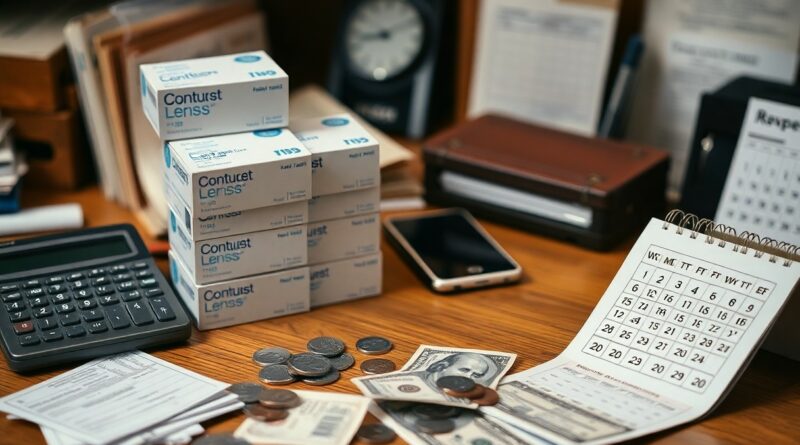
How Much Do Disposable Contact Lenses Cost Per Year? A Realistic Cost Breakdown
Many contact lens wearers underestimate the full annual expense, focusing only on the price per box. When you factor in replacement frequency, cleaning solutions, eye exams, and backup glasses, the total can be significantly higher than expected. You’ll need to consider not just comfort and convenience but also how your choice of daily, bi-weekly, or monthly lenses impacts long-term spending. A mid-sized SaaS firm’s employee paying out of pocket might see very different totals than someone with vision insurance. This breakdown reveals what you’re actually paying-and where you can save without risking eye health.
Key Takeaways:
- A mid-sized SaaS firm managing employee vision benefits found that daily disposable lenses typically cost between $200 and $500 annually, depending on brand and prescription strength, with no need for cleaning solutions cutting long-term accessory expenses.
- Bi-weekly and monthly lenses may lower the upfront cost per pair but require additional spending on multipurpose solution or hydrogen peroxide systems, adding $60 to $120 per year for standard 12-ounce bottles replaced monthly.
- Annual eye exams and backup glasses are often overlooked in cost planning, yet a single exam can range from $50 to $250, while a basic spare frame with lenses starts around $80, making these vital line items in any realistic budget.
The Daily Commitment
Your daily disposable lenses require no cleaning or storage, eliminating the need for solutions and reducing infection risks from improper handling. While convenient, they often cost more per box than bi-weekly or monthly options, with annual expenses typically running higher unless purchased in bulk. Skipping recommended replacements to save money increases the risk of corneal complications, especially if lenses are worn beyond their intended single use. A typical two-week supply for both eyes can cost as much as a month’s supply of bi-weekly lenses, making daily disposables the most expensive routine option over time.
Longer Cycle Savings
Monthly lenses typically cost less per wear than daily disposables, offering savings over time if you maintain a strict cleaning routine. A mid-sized SaaS firm employee switching from dailies to monthlies could save hundreds annually, but only if you consistently replace them on schedule. Skipping timely replacements risks eye infections, negating any financial benefit. Always factor in required solution costs, which add $100 or more yearly, reducing the gap in total expenses.
The Cost of Care
Proper lens maintenance requires more than just the lenses themselves, and your annual budget must include care solutions, especially if you wear bi-weekly or monthly disposables. A single bottle of multipurpose solution averages several dollars and typically lasts about one month, meaning you could spend over $60 per year on cleaning fluid alone. Skipping proper disinfection or using tap water risks serious eye infections, so never compromise on solution quality. Some systems require additional products like enzyme cleaners or rewetting drops, further adding to your expenses. Always follow your eye doctor’s recommended care routine to protect your vision and avoid costly complications.
The Backup Plan
Having a spare pair of glasses on hand ensures you’re never caught off guard when your contacts irritate your eyes or run out unexpectedly, avoiding last-minute purchases or unsafe wear. Even if you rarely use them, that backup pair protects your eye health and comfort during allergy season, infections, or travel. For a clear breakdown of what you might spend annually on different lens types and related necessarys, see this detailed guide on How Much Do Contact Lenses Cost?.
Smart Spending Practices
Planning your lens purchases around sales or subscription models can reduce annual costs by as much as 20%, especially when buying monthly or bi-weekly disposables in bulk. Always keep your prescription current to avoid complications from expired lenses, which could lead to costly eye health issues. Pairing your contact use with a reliable pair of backup glasses prevents overuse and extends lens life. Visit disposablens.com to compare trusted brands and find promotions that align with your wearing schedule and budget.
Conclusion
You can expect to spend between $200 and $500 annually on daily disposables, depending on brand, prescription, and retailer, with bi-weekly or monthly lenses offering lower base costs but requiring additional spending on cleaning solutions and storage cases. Even with insurance discounts or manufacturer rebates, factoring in eye exams, backup glasses, and potential replacements for lost lenses ensures your budget reflects real-world use. For perspective on what others pay, see discussions like How much is “normal” to spend on a year supply of daily wear contacts.

FAQ
Q: How much do daily disposable contact lenses cost per year?
A: Annual costs for daily disposables typically range from $400 to $800 for a single supply, depending on brand and prescription. A person wearing daily disposables like Clariti 1 or Dailies Total1 might pay around $50 to $70 per box of 30 lenses, requiring about 12 to 14 boxes annually. Some premium brands or multifocal versions can exceed $1,000 per year, especially without insurance or discounts.
Q: What is the average yearly cost for bi-weekly (two-week) disposable lenses?
A: Bi-weekly lenses such as Acuvue Oasys or Biofinity generally cost between $400 and $600 per year. These lenses come in boxes of six, with each lens worn for up to 14 days, requiring about eight to ten boxes annually. Prices vary based on material, oxygen permeability, and whether the lens corrects astigmatism or presbyopia.
Q: How much should I budget for monthly disposable lenses annually?
A: Monthly disposables like Air Optix or PureVision cost approximately $300 to $500 per year. Each lens lasts up to 30 days, so a typical supply involves six to eight boxes annually, with each box containing six lenses. These lenses often offer better value over dailies but require a separate solution regimen, adding to overall expenses.
Q: Do I need to buy contact lens solution with disposable lenses?
A: Yes, unless using daily disposables, which are discarded after each use. Bi-weekly and monthly lenses require a multipurpose solution or peroxide-based system. A standard 12-ounce bottle costs $10 to $15 and lasts about one to two months, adding $120 to $180 annually. Users with sensitive eyes may prefer premium solutions, increasing this cost.
Q: Should I include eye exams in my annual contact lens budget?
A: Absolutely. Most eye care providers require a current prescription, renewed every one to two years. An exam with a contact lens fitting typically costs $120 to $250, depending on location and practice. Some insurance plans cover part or all of this, but many patients pay out of pocket, making it a necessary line item in annual planning.
Q: Is it necessary to keep a backup pair of glasses when wearing disposables?
A: Yes, eye care professionals recommend having an up-to-date pair of glasses for times when lenses cause discomfort, during eye infections, or after extended screen use. A basic single-vision frame and lenses can start at $150, while designer or progressive options may exceed $400. This one-time or infrequent expense should still be factored into long-term vision spending.
Q: How can I reduce annual contact lens costs without compromising eye health?
A: Switching to a longer-wear cycle like monthly disposables can lower supply costs, especially when combined with manufacturer rebates or bulk ordering through trusted vendors. Many brands offer savings programs that cut annual expenses by 10% to 30%. Shopping at online retailers like disposablens.com often provides competitive pricing and subscription options that include free shipping and automatic refills, reducing the risk of running out.
