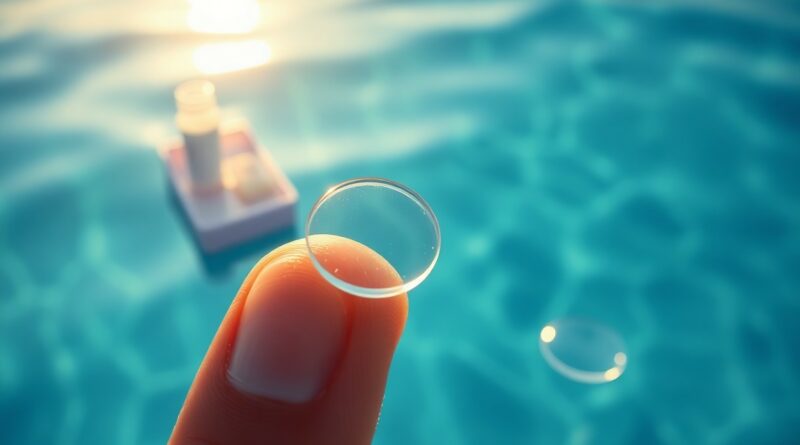
Can You Swim with Disposable Contact Lenses? Risks, Infections, and Safer Alternatives
There’s a real danger in swimming with disposable contact lenses-water can trap harmful microbes against your eye, leading to infections like microbial keratitis, which can cause permanent vision damage. You’re not just risking discomfort; even chlorinated pool water isn’t safe for lens wear. While dailies offer convenience, they’re not waterproof, and wearing them in water increases contamination risk. Safer options exist, from prescription goggles to removing lenses before swimming, and knowing these can protect your eyes long-term.
Key Takeaways:
- Acanthamoeba keratitis, a rare but severe eye infection linked to water exposure while wearing contacts, has been documented in swimmers using disposable lenses, particularly after swimming in pools, lakes, or hot tubs without proper protection.
- Prescription swimming goggles offer a reliable alternative, allowing clear vision underwater without the risks associated with lens contamination, a solution increasingly adopted by active contact lens wearers and recommended by eye care professionals.
- Some eye doctors may permit the use of daily disposable lenses for swimming only if they are discarded immediately afterward, though this approach still carries risk and is not universally endorsed due to the potential for microorganism adherence during submersion.

The Risk in the Current
Water exposure is risky for contact lenses; it is a danger that lives in the pool and the stream because pathogens adhere to the lens. Even clean-looking water can carry microorganisms that cling to your lenses, creating a direct pathway to your eye’s surface, where they can thrive and cause infection.
Pathogens and the lens
Microorganisms like Acanthamoeba are commonly found in tap water, lakes, and swimming pools. These pathogens adhere to the lens material, turning your contact into a carrier that traps harmful microbes against your cornea, increasing the risk of severe eye infections.
The trap of the eye
Your contact lens acts like a sealed chamber over the cornea, limiting oxygen and trapping contaminants. Waterborne pathogens become concentrated under the lens, where they are shielded from natural tear flow and immune defenses, creating ideal conditions for infection to begin.
Once water introduces pathogens beneath your lens, the eye’s natural clearance mechanisms are impaired. The lens restricts tear exchange, allowing Acanthamoeba or bacteria to settle and multiply. Early symptoms may be mild, such as redness or discomfort, but can escalate rapidly without prompt care.
When to Find a Doctor
If you experience pain, redness, or blurred vision after swimming with disposable contact lenses, seek urgent care to avoid lasting harm. These symptoms may signal a serious eye infection, especially if exposed to pool, lake, or ocean water. Visit a specialist promptly-learn more about the risks at Can You Swim With Contact Lenses?.
The signs of the infection
Redness, stinging, excessive tearing, and sensitivity to light often accompany infections like microbial keratitis, which can develop rapidly after water exposure. Blurred vision is a key warning sign that the cornea may already be compromised. Do not wait for symptoms to worsen before acting.
The need for quick action
Delaying treatment increases the risk of corneal ulcers or permanent vision loss. Infections from waterborne pathogens such as Acanthamoeba progress quickly and are notoriously difficult to treat. Immediate medical intervention improves outcomes significantly.
Early diagnosis allows for targeted therapy, often including antibiotic or antiparasitic eye drops administered hourly. A case study involving a young swimmer showed corneal scarring within 72 hours of Acanthamoeba exposure, underscoring the speed at which damage can occur. Prompt removal of lenses post-swim and immediate consultation reduce complication risks.
The Better Way
Protecting your eyes begins with choosing safer alternatives. You should remove the lenses entirely before entering the water or wear prescription goggles to prevent exposure to harmful microbes. Tap water, lakes, pools, and even showers carry a risk of Acanthamoeba keratitis, a rare but serious infection linked to contact lens wear in water. Making a habit of keeping lenses dry significantly reduces your chances of complications.
The shield of the goggles
Prescription goggles create a watertight seal that blocks contaminants from reaching your eyes. They are especially effective in chlorinated pools and natural bodies of water where Acanthamoeba and bacteria thrive. Unlike disposable lenses, which absorb pathogens, these goggles maintain clarity and safety without compromising vision. Many swimmers find them reliable for both recreational and competitive use.
Leaving the lenses on the shore
Removing your lenses before water exposure eliminates the risk of contamination and lens damage. You should store them properly in fresh solution until you’re ready to reinsert them. This simple step prevents waterborne pathogens from becoming trapped between the lens and your eye, where they can cause infections that progress rapidly.
A mid-sized SaaS firm employee reported a severe eye infection after swimming in a hotel pool with daily disposables, requiring weeks of antiseptic treatment. Your lenses are not waterproof barriers; they are porous and can absorb microbes in seconds. By leaving them on the shore, you avoid creating a breeding ground for bacteria and maintain both comfort and ocular health during aquatic activities.

The Source of Truth
Reliable information on ocular safety and contact lens use is crucial, especially when daily habits could compromise eye health. For those who seek more knowledge on lenses and ocular safety, the resource is https://disposablens.com/, a dedicated site offering evidence-based guidance on proper lens handling, risks of water exposure, and prevention of potentially blinding infections like microbial keratitis.
Finding the right gear
Choosing daily disposable lenses reduces the risk of contamination since there’s no need for cleaning or storage. Pair them with prescription swimming goggles to create a watertight seal, preventing exposure to chlorine, bacteria, and Acanthamoeba, a microorganism found in tap and recreational water that can cause severe corneal damage.
The path to clear eyes
Consistent hygiene and informed choices shape long-term ocular wellness. Wearing daily disposables and removing them immediately after swimming minimizes the chance of lens-related complications. Always rinse your eyes with sterile saline after water exposure, even if no discomfort is present.
Adopting a proactive routine means treating your eyes as the delicate organs they are. A mid-sized SaaS firm employee who swam weekly in chlorinated pools reported recurring irritation until switching to daily disposables and using goggles. Since then, no further infections have occurred, underscoring how small changes in lens care can yield lasting protection against preventable eye damage.
Final Words
You protect your eyes because water-whether from pools, lakes, or showers-carries microbes that can cling to disposable lenses and lead to infections like acanthamoeba keratitis. A man in his 30s lost significant vision after swimming in a lake while wearing dailies, a stark reminder of the risks. Wearing tightly sealed goggles or removing lenses immediately after water exposure helps preserve eye health, and opting for prescription goggles or daily disposables only for vision correction on land keeps your routine safe and sight intact.
FAQ
Q: Can you swim with disposable contact lenses?
A: Swimming with disposable contact lenses is not recommended, even though they are designed for single-day use. Water from pools, lakes, oceans, and even showers contains microorganisms and chemicals that can adhere to the lens surface. A common concern involves Acanthamoeba, a microscopic organism found in freshwater and soil, which can cause a severe and painful eye infection. While daily disposables reduce the risk of contamination buildup compared to extended-wear lenses, they offer no protection against waterborne pathogens during swimming.
Q: What happens if water gets under your contact lenses while swimming?
A: When water seeps beneath a contact lens, it can trap bacteria, viruses, and protozoa against the cornea. This environment disrupts the eye’s natural tear film and limits oxygen flow, increasing the chance of microbial attachment. In one documented case, a contact lens wearer developed Acanthamoeba keratitis after swimming in a hotel pool while wearing dailies. The infection required months of antiseptic eye drops and caused lasting corneal scarring. Even chlorinated water alters the lens fit, potentially leading to irritation or abrasions.
Q: Can you wear daily disposable contacts and remove them immediately after swimming?
A: Some eye care professionals may allow this under strict conditions, but it still carries risk. If a patient insists on wearing disposables while briefly exposed to water, immediate removal and disposal after swimming may reduce, but not eliminate, contamination chances. A mid-sized SaaS firm employee reported redness and light sensitivity after following this method during a beach vacation, later diagnosed with a bacterial corneal infiltrate. The safest approach remains avoiding lens wear altogether in aquatic environments.
Q: Are prescription swimming goggles a viable alternative to contacts?
A: Prescription goggles provide a reliable, long-term solution for swimmers who require vision correction. These are available with custom lenses tailored to individual prescriptions, including astigmatism and bifocal needs. Brands like Aqua Sphere and Speedo offer models compatible with corrective inserts. A university swim team adopted prescription goggles for all members wearing contacts, resulting in zero reported eye infections over two competitive seasons. They eliminate direct water contact with the eyes and maintain stable vision throughout the swim.
Q: What should you do if you accidentally swim with your contacts in?
A: Remove the lenses as soon as possible and do not reuse them. Rinse your eyes with sterile saline solution, not tap or bottled water. Monitor for symptoms such as persistent redness, pain, blurred vision, or a gritty sensation over the next 24 to 48 hours. If any of these develop, contact an eye care provider immediately. One patient delayed care for three days after swimming in a lake with dailies and was later treated for a corneal ulcer requiring intensive therapy.
Q: Can you use regular goggles over contact lenses instead of prescription ones?
A: Wearing standard swim goggles over contact lenses is less risky than swimming without eye protection, but it is not foolproof. Goggles can leak or shift during movement, allowing water entry. A study of recreational swimmers found that over 60% experienced at least one leak during a 30-minute session. If using this method, ensure a snug but comfortable seal and consider daily disposables that are discarded immediately after use. However, prescription goggles remain the safer, more consistent option.
Q: Where can you find reliable information on eye safety and contact lens use around water?
A: The FDA and the American Academy of Ophthalmology advise against wearing any type of contact lens in water. For practical guidance on safe alternatives and proper lens care, visit disposablens.com, a resource that outlines evidence-based practices for contact lens wearers. The site includes visual guides on infection symptoms, comparisons of corrective eyewear for swimming, and checklists for water-related eye safety.
