Eye-Healthy Habits Every Contact Lens Wearer Should Build
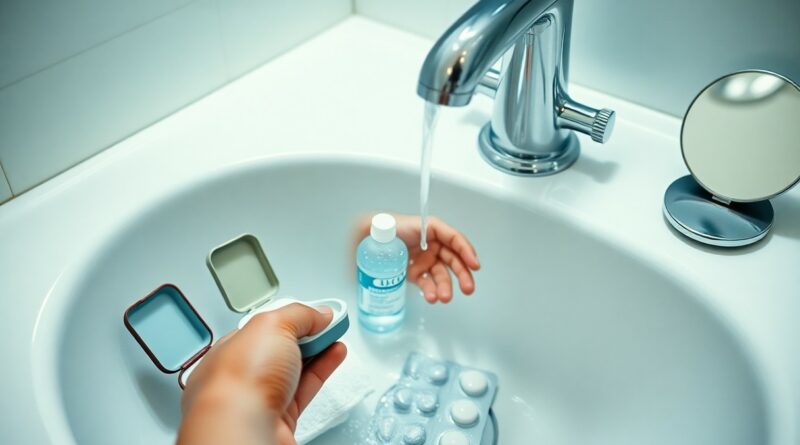
Eye health depends on a holistic approach to daily care that protects long-term vision beyond simple lens maintenance. You must always wash your hands before handling lenses and never sleep in them unless prescribed. Wearing contacts longer than recommended can lead to serious infections. Replace your case every three months and never reuse solution. Over 80% of wearers admit to at least one risky behavior. Follow guidelines from An Important Reminder of Best Practices for Contact Lens … to avoid complications.
Key Takeaways:
- Daily screen users should follow the 20-20-20 rule-every 20 minutes, look at something 20 feet away for at least 20 seconds-to reduce eye strain and support long-term visual comfort.
- Proper hydration and a diet rich in eye-friendly nutrients like omega-3 fatty acids, lutein, and zinc help maintain tear quality and protect against dryness, especially for those wearing contact lenses.
- Regular breaks from contact lenses, combined with annual eye exams, allow the eyes to recover and give professionals the chance to catch early signs of eye health issues before they progress.
The Rule of Twenty
Every 20 minutes, look at something 20 feet away for at least 20 seconds to reduce eye strain caused by prolonged screen use. This simple habit supports long-term eye health, especially for contact lens wearers who are more susceptible to dryness and discomfort during extended focus. Following the 20-20-20 rule can significantly improve visual comfort.
The Digital Vigil
You spend hours staring at screens, but your eyes weren’t designed for constant near focus. Every 20 minutes, take a brief visual break to reset your eye muscles and reduce digital fatigue. This small pause helps prevent blurred vision and dry eyes, common issues for contact lens users immersed in screen-heavy routines.
The Far Distance
Shifting your gaze to a distant object 20 feet away for 20 seconds gives your eye muscles a chance to relax. This break interrupts the cycle of constant near work, reducing strain and helping maintain clear, comfortable vision throughout the day. It’s a simple, science-backed method to support eye health.
Looking into the distance activates different eye muscles than those used for reading or screen viewing, allowing overworked focusing systems to recover. For contact lens wearers, this can mean less dryness, fewer irritations, and improved lens comfort. Over time, consistently following this practice supports better tear film stability and reduces the risk of digital eye strain complications.

The Body’s Needs
Your eyes depend on proper hydration and key nutrients like omega-3 and lutein to function at their best. Without enough water and these imperative compounds, your contact lens comfort and long-term eye health can suffer. Staying consistent with both supports tear production and protects against dryness and strain.
The Need for Water
Water makes up about 98% of your tears, so even mild dehydration can reduce tear volume and worsen dry eye symptoms. When you wear contact lenses, low moisture levels increase friction and discomfort. Drinking enough water throughout the day helps maintain a smooth tear film, keeping your lenses comfortable and your eyes protected.
The Right Nutrients
Omega-3 fatty acids and lutein are proven to support eye health, especially for contact lens wearers. Omega-3s help balance the tear film’s oil layer, reducing evaporation, while lutein acts as a natural filter against harmful blue light. These nutrients are found in foods like fatty fish, flaxseeds, and leafy greens.
Lutein is concentrated in the macula, where it defends against oxidative stress and supports visual clarity over time. Studies show that people who consume at least 6 mg of lutein daily have a lower risk of age-related eye decline. Omega-3s, particularly EPA and DHA, have been shown in clinical trials to improve tear quality and reduce dry eye symptoms in contact lens users. Including these nutrients in your diet isn’t just beneficial-it’s a direct investment in lasting eye comfort and health.
The Necessary Rest
Resting your eyes regularly from contact lenses supports long-term eye health. Your eyes need time without lenses to recover and stay resilient. Make it a habit to remove them daily, allowing natural healing. Learn more with Contact Lenses 101: Daily Habits for Healthy Eyes.
The Eye Without Lenses
Time without contacts lets your eyes function naturally. You reduce strain and give your corneas a chance to stabilize. This break supports clearer vision and lowers the risk of irritation. Embrace lens-free moments daily for better comfort and eye resilience over time.
The Natural Breath
Oxygen flow to your cornea improves when you’re not wearing lenses. Contacts can limit this necessary exchange, but breaks restore normal breathing function. Even a few hours daily makes a measurable difference in corneal health and comfort.
When your eyes breathe freely, the cornea receives oxygen directly from the air, which is critical for maintaining clarity and preventing swelling. Extended lens wear, especially overnight, restricts this process and increases the risk of hypoxia-related damage. By scheduling consistent lens-free periods, you actively protect your vision and support long-term eye function.
The Annual Exam
The Doctor’s Visit
Your eye doctor evaluates your vision and checks for early signs of eye disease during each exam. Annual eye exams can detect conditions like glaucoma or corneal changes before symptoms appear, protecting your long-term eye health while wearing contact lenses.
The Yearly Habit
Scheduling annual eye exams to monitor vision and eye health ensures your contact lens prescription stays accurate. Yearly visits help prevent complications from prolonged lens wear and support clear, comfortable vision throughout the year.
Staying consistent with your yearly eye exam means more than just updating a prescription-it’s about safeguarding your eyes against subtle changes that only a professional can identify. Annual eye exams are proven to catch early signs of corneal stress, dry eye, or infections linked to contact lens use, allowing for timely intervention and continued safe wear.
Final Words
Following this guidance, you build lasting eye-healthy habits by cleaning hands before handling lenses, replacing cases every three months, removing lenses before sleeping, and attending annual eye exams. You protect your vision by limiting wear time, avoiding water exposure, and giving your eyes daily breaks. These steps support long-term eye wellness and keep your sight clear and comfortable for the years ahead.
FAQ
Q: How does the 20-20-20 rule help contact lens wearers protect their eyes?
A: The 20-20-20 rule means taking a 20-second break to look at something 20 feet away every 20 minutes of screen use. Contact lens wearers often spend long hours in front of digital screens, which can reduce blink rate and lead to dry, irritated eyes. Following this rule helps maintain natural tear production, reduces eye strain, and gives the cornea a moment to recover from lens wear. Over time, this simple habit supports clearer vision and greater comfort during lens use.
Q: Why is staying hydrated important for people who wear contact lenses?
A: Contact lenses rest on the tear film that covers the surface of the eye. When the body is dehydrated, tear production drops, making the eyes feel dry, gritty, or uncomfortable. Proper hydration ensures a stable tear layer, which helps lenses stay moist and in place. Drinking enough water throughout the day supports overall eye moisture and reduces the risk of irritation or micro-abrasions caused by dry lenses rubbing against the eye.
Q: Which nutrients support eye health for contact lens users?
A: Omega-3 fatty acids, found in fatty fish, flaxseeds, and walnuts, help reduce inflammation and improve tear quality. Lutein and zeaxanthin, present in leafy greens like spinach and kale, protect the retina from blue light damage. Vitamin A, from carrots and sweet potatoes, supports the cornea and night vision. Eating a diet rich in these nutrients can improve eye surface health, making lens wear more comfortable and reducing the risk of long-term damage.
Q: How often should contact lens wearers get an eye exam?
A: Most eye care professionals recommend a comprehensive eye exam every 12 months, even if vision seems stable. These visits check not only prescription accuracy but also the health of the cornea, tear film, and inner eye structures. Regular exams can catch early signs of issues like corneal warping or dry eye disease, which are more common in contact lens users. Updating lens fit and material based on these findings helps prevent complications.
Q: Should contact lens wearers take breaks from their lenses?
A: Yes. Giving the eyes a break from contact lenses, especially overnight, allows the cornea to breathe and recover. Wearing lenses for too many hours or sleeping in them-even if they’re approved for extended wear-increases the risk of infections and oxygen deprivation. On days off or during low-visibility tasks, switching to glasses reduces eye fatigue and supports long-term corneal health. Regular lens-free time helps maintain comfort and clarity over years of use.
