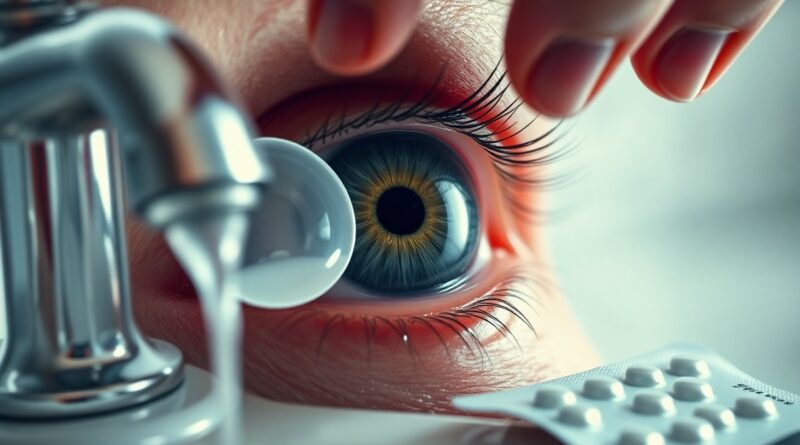
Common Mistakes That Cause Eye Infections in Contact Lens Wearers
It’s estimated that up to 80% of contact lens wearers engage in behaviors that increase their risk of eye infections, according to a guide on the habits that put users at risk. Sleeping in lenses not designed for overnight wear, using tap water to clean them, or skipping proper handwashing can lead to serious complications like corneal ulcers. For actionable steps to protect your vision, see Contact Lens Safety: Preventing Eye Infections.
Key Takeaways:
- Reusing or topping off contact lens solution allows bacteria to grow and reduces cleaning effectiveness, increasing infection risk-always use fresh solution daily and never dilute it with water.
- Sleeping in contact lenses limits oxygen to the cornea and traps microbes, creating an environment where infections like keratitis can develop-remove lenses before bed unless specifically approved for extended wear by an eye doctor.
- Exposing lenses to water during showers or swimming introduces harmful microorganisms like Acanthamoeba-avoid all water contact while wearing lenses and store and clean them only with proper disinfecting solution.
The Mistake of the Reused Solution
Reusing old solution puts your eye health at risk. Topping off or adding fresh liquid to contaminated fluid invites bacteria to grow, turning your lens case into a breeding ground. This habit is a common path to infection, including serious corneal issues. The fix is simple: always discard used solution and use fresh liquid every time.
The trap of the half-full case
You might think a half-full case saves solution, but it’s a dangerous shortcut. Leftover fluid likely contains microbes from previous use. Mixing new with old dilutes disinfectant power and invites bacteria to grow, increasing infection risk. Always empty and dry your case before refilling-it takes seconds but protects your vision.
The fresh pour
Starting with a fresh pour every time ensures maximum protection. This means discarding all old solution and never topping off. Using fresh liquid every time stops bacteria from growing and keeps lenses properly sanitized. It’s the most effective way to prevent contamination and avoid painful, vision-threatening infections.
Every time you handle your lenses, your habits determine your eye health. A fresh pour isn’t just a recommendation-it’s a non-negotiable step backed by eye care professionals. Studies show that reusing solution increases the risk of microbial keratitis by up to 167%. When you pour fresh solution, you’re not just cleaning lenses-you’re creating a barrier against dangerous pathogens like Pseudomonas aeruginosa, a bacterium known to cause rapid, severe eye damage. Make this small act part of your routine, every single time.
The Eyes That Sleep in Plastic
Sleeping in lenses starves the eye of oxygen and leads to corneal ulcers, a serious condition that can threaten your vision. The fix is simple: remove them before sleep. Learn more about what causes contact lens-related eye infections by visiting the What Causes Contact Lens-related Eye Infections page from the CDC.
The struggle for air
Your cornea relies on oxygen from the air to stay healthy, but contact lenses-especially when worn overnight-block this flow. When you sleep in lenses, you dramatically reduce oxygen delivery, increasing the risk of swelling, irritation, and corneal ulcers, which can lead to permanent damage.
The nightly removal
Removing your lenses every night restores oxygen flow and gives your eyes a chance to recover. This simple habit drastically lowers your risk of infection and keeps your cornea functioning properly. The fix is to remove them before the sleep comes, every single time.
Consistently taking out your contacts before bed isn’t just a recommendation-it’s a proven defense against infection. The CDC emphasizes that overnight wear, even with lenses approved for extended use, still increases the chance of complications. By making nightly removal a non-negotiable part of your routine, you protect your long-term eye health and avoid preventable injuries like corneal ulcers.
The Water and the Blindness
Tap water in showers or pools contains Acanthamoeba, a parasite linked to severe eye infections that can lead to blindness. This microscopic threat thrives in freshwater and can cling to contact lenses, invading the cornea. Keeping your eyes dry while wearing lenses isn’t just advice-it’s a critical defense against irreversible damage.
The threat in the shower
You might not think twice about showering with contacts in, but tap water carries Acanthamoeba, a parasite known to cause vision loss. Even brief exposure can allow it to attach to your lenses and infect your cornea. Avoid water at all costs-your sight depends on it.
The protection of the dry eye
Keeping your eyes dry while wearing contacts blocks the entry of Acanthamoeba from tap water. This simple step dramatically lowers your risk of infection. Removing lenses before showering or swimming is your best defense against this aggressive parasite.
When your eyes stay dry, you create a barrier against contamination. Acanthamoeba in tap water can survive standard disinfection methods, making prevention imperative. By taking off your lenses before water exposure, you eliminate the surface the parasite uses to reach your cornea, significantly reducing the chance of a blinding infection.
The Neglect of the Case
You overlook your contact lens case at your own risk-skipping case cleaning develops a biofilm that protects germs, turning it into a breeding ground for infection. Simply rinsing isn’t enough; daily cleaning with sterile solution and thorough air drying disrupts this protective layer. Replace the case every three months to stay safe.
The hidden layer of germs
Biofilm forms quickly when you skip case cleaning, creating a protective shield for harmful bacteria like Pseudomonas aeruginosa. This slimy layer resists disinfectants, making ordinary rinsing ineffective. You can’t see it, but it’s there-harboring pathogens that can lead to serious eye infections with just one use.
The necessity of air drying
Air drying is your best defense after cleaning-the fix is to clean the case and let it dry in the air, ideally face down on a clean tissue. Moist environments encourage microbial growth, so leaving it closed or damp increases contamination risk. This simple step drastically reduces germ survival.
Leaving your case open to air dry disrupts the humid conditions microbes need to thrive. Studies show that air-dried cases have up to 90% fewer bacteria than those left closed or wiped with fabric. Towels and cloths can reintroduce germs, so never touch the inside. Combine air drying with weekly case replacement for maximum protection.
The Lens That Stays Too Long
Wearing your contacts beyond their intended lifespan risks serious eye health. Exceeding the wear schedule causes lens material breakdown and protein buildup, creating a breeding ground for infection. Stick to your lens’s recommended replacement cycle to protect your vision. For more guidance, Avoid These 7 Common Contact Lens Errors for Healthier …
The failure of the material
Material degradation occurs when you ignore replacement guidelines. Exceeding the wear schedule causes lens material breakdown, making lenses brittle and less oxygen-permeable. These changes increase irritation and corneal damage risk, compromising comfort and safety over time.
The discipline of the schedule
Following your lens’s wear schedule is non-negotiable for eye health. Follow the timing of the lens to stay safe-daily, bi-weekly, or monthly, each type has a strict limit. Skipping timely replacements invites infection and discomfort.
Your lens schedule isn’t a suggestion-it’s a medical guideline. When you exceed the wear schedule, microscopic cracks form, and protein buildup accelerates, blocking oxygen flow to your cornea. This creates an environment where bacteria thrive, raising the risk of ulcers and permanent damage. Staying disciplined protects your sight.
Final Words
The risk of eye infections rises when you sleep in lenses not designed for overnight wear, reuse solution, or ignore symptoms like redness and pain. You can prevent harm by replacing lenses as directed, cleaning cases weekly, and visiting your eye doctor annually. Poor hygiene turns minor oversights into serious issues-your choices directly impact your eye health. Stay informed, act quickly, and treat your lenses with the care they demand.
FAQ
Q: What happens if I reuse my contact lens solution instead of using fresh solution each time?
A: Reusing contact lens solution reduces its ability to clean and disinfect lenses. Saline solution is designed to neutralize bacteria and debris, but once used, it becomes contaminated and loses effectiveness. Pouring old solution back into the bottle can also contaminate the entire supply. This increases the risk of eye infections like microbial keratitis. The fix is simple: always discard used solution and refill the case with fresh solution every time you store your lenses. Never top off old solution.
Q: Is it really dangerous to sleep in my contact lenses?
A: Yes, sleeping in contact lenses cuts off oxygen to the cornea. The cornea needs oxygen to stay healthy, and when lenses block airflow during sleep, the tissue becomes more vulnerable to swelling and micro-abrasions. These tiny injuries create entry points for bacteria. Extended wear also raises the risk of corneal ulcers, especially with non-extended-wear lenses. To protect your eyes, remove your lenses before bed unless they are specifically approved for overnight wear-and even then, follow your eye doctor’s instructions carefully.
Q: Can showering or swimming with contact lenses lead to eye infections?
A: Yes, water-whether from the shower, tap, pool, or hot tub-contains microbes that can stick to contact lenses. One dangerous organism, Acanthamoeba, lives in water and can cause a severe, hard-to-treat infection called Acanthamoeba keratitis. This condition can lead to permanent vision loss. Lenses can also absorb water and change shape, causing discomfort. The safest practice is to remove your lenses before showering or swimming. If you must wear them, use waterproof goggles and replace the lenses immediately afterward.
Q: Why is cleaning my contact lens case important, and how often should I do it?
A: Your lens case can become a breeding ground for bacteria and fungi if not cleaned regularly. Even with fresh solution, leftover moisture and protein buildup create an environment where harmful microbes thrive. These can transfer to your lenses and then to your eyes. Rinse the case daily with fresh solution (not water), let it air dry upside down on a clean tissue, and replace the case every three months-or sooner if it looks cracked or cloudy. Skipping this step increases infection risk significantly.
Q: What are the risks of wearing contact lenses longer than recommended?
A: Wearing lenses beyond their intended lifespan-whether daily disposables worn for two days or monthly lenses used for two months-leads to protein and lipid buildup that can’t be fully cleaned away. This buildup irritates the eye, reduces oxygen flow, and traps bacteria against the cornea. Over time, this raises the chance of redness, inflammation, and serious infections. Always follow the replacement schedule provided by your eye care professional and the lens manufacturer. When in doubt, throw them out and start fresh.
