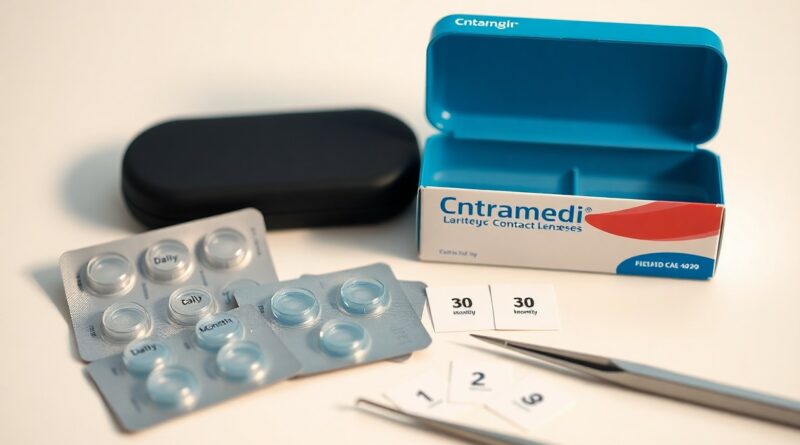
Daily vs. Monthly Disposable Contact Lenses – Which One Is Right for You?
There’s a clear difference between daily and monthly disposable contact lenses that directly impacts your eye health, lifestyle, and budget. Daily disposables eliminate cleaning and reduce the risk of infection by 80%, making them the safest option. Monthly lenses require nightly care but are more cost-effective over time. Your choice depends on your routine, hygiene habits, and how much you value convenience versus savings.
Key Takeaways:
- Daily disposable lenses eliminate the need for cleaning and storage, offering better hygiene and reducing the risk of eye infections, especially for people with allergies or sensitive eyes.
- Monthly lenses are more cost-effective over time, but require daily maintenance and proper care, making them a practical choice for those with a consistent routine and lower budget.
- Dailies provide unmatched convenience for travelers or busy lifestyles, while monthly lenses generate less plastic waste, appealing to environmentally conscious users.
Comparing Lens Types: Daily vs. Monthly
- Daily disposables are designed for single-day use and immediate disposal
- Monthly lenses are engineered for 30 days of wear with regular cleaning
- Daily lenses eliminate the need for maintenance
- Monthly lenses require nightly removal and disinfection
- Replacement frequency directly impacts convenience and hygiene
| Feature | Detail |
| Wear Duration | Daily disposables: one day; Monthly lenses: up to 30 days |
| Disposal Method | Daily disposables: discarded after each use; Monthly lenses: reused with care |
| Care Routine | Daily disposables: no cleaning needed; Monthly lenses: require daily disinfection |
| Hygiene Level | Daily disposables: highest due to fresh lens each day |
| Cost Over Time | Monthly lenses are cheaper per wear but require solution expenses |
Single-use daily lens characteristics
These lenses are worn once and thrown away, offering a fresh pair every morning. You never handle cleaning or storage, reducing contamination risks. Their convenience makes them ideal for travel or busy routines. Thou gain unmatched hygiene with every use.
Monthly replacement lens features
Engineered for up to 30 days of continuous wear, these lenses demand nightly removal and proper disinfection. They offer cost efficiency over time but require strict adherence to cleaning routines. Thou assume greater responsibility for lens care.
Monthly lenses are built to withstand repeated use, but only if you follow the recommended cleaning protocol without fail. Skipping a rinse or using tap water can lead to serious eye infections. While they’re more economical, the burden of maintenance means a single lapse can compromise your eye health. Always use fresh solution and replace the case monthly for safety.
Evaluating the Pros and Cons of Each System
Daily and monthly disposable contact lenses each offer distinct advantages and trade-offs that align differently with your lifestyle and eye health needs. Hygiene benefits are a significant advantage for daily lenses as they minimize deposit buildup, while monthly lenses are often preferred for their specific economic structure.
| Daily Lenses | Monthly Lenses |
| Fresh lens every day | Reusable for up to 30 days |
| Minimizes deposit buildup | Requires nightly cleaning |
| No need for solutions | Dependent on proper disinfection |
| Lower risk of infection | Higher risk if not maintained |
| Convenient for travel | More cost-effective upfront |
| Higher long-term cost | Potential for protein accumulation |
| Ideal for allergy sufferers | Suitable for regular wearers |
| No maintenance needed | Daily handling increases contamination risk |
| Reduced dryness symptoms | Material may degrade over time |
Health, comfort, and ocular hygiene
You benefit from superior ocular hygiene with daily disposables since you discard them after a single use. Hygiene benefits are a significant advantage for daily lenses as they minimize deposit buildup, reducing the chance of irritation or infection. This makes them especially suitable if you wear contacts occasionally or have sensitive eyes.
Maintenance requirements and durability
Monthly lenses demand consistent care, requiring you to clean and store them nightly in fresh solution. Skipping steps increases the risk of contamination. In contrast, dailies require no maintenance at all-once used, they’re discarded. Minimize deposit buildup simply by using a fresh pair each day.
Durability favors monthly lenses, designed to last up to 30 days with proper handling, but their extended use introduces challenges. Over time, even with meticulous cleaning, microscopic deposits accumulate on the lens surface, potentially compromising clarity and comfort. Daily disposables eliminate this issue entirely-each lens is pristine, ensuring consistent performance and minimizing deposit buildup without any effort on your part.
Essential Factors: Annual Cost and Environmental Impact
- Annual cost varies significantly between daily and monthly disposable contact lenses, with dailies often totaling hundreds more per year depending on your prescription and usage frequency.
- The environmental impact of daily disposables includes increased plastic waste from individual lens wrappers and solution bottles, while monthlies require chemical solution use and case maintenance.
Perceiving the long-term implications of your choice matters-explore more in our detailed guide Daily vs. Monthly Contacts: Pros, Cons, and How to Choose.
Year-long budget and pricing analysis
You may spend between $200 to over $600 annually on daily disposables, while monthly lenses typically range from $150 to $300, making cost a defining factor for budget-conscious users.
Sustainability and waste management
Daily lenses generate more plastic waste due to single-use packaging, whereas monthlies reduce physical trash but rely on solution bottles and cases that contribute to chemical runoff and microplastic pollution.
Monthly lenses require regular cleaning with solutions that often come in plastic bottles and contain preservatives, leading to ongoing environmental strain. Daily disposables, while convenient, produce up to 365 tiny plastic wrappers per year per user-each contributing to landfill accumulation. Your lens routine directly influences waste output, and environmental impact becomes harder to ignore with prolonged use. Perceiving the long-term implications of your choice matters-explore more in our detailed guide Daily vs. Monthly Contacts: Pros, Cons, and How to Choose.
Travel Tips and Lifestyle Convenience
Daily disposables offer unmatched convenience for travelers, eliminating the need to pack cleaning solutions and storage cases. This lightweight approach simplifies eye care on the go.
- You only need a fresh pair each morning
- No risk of solution leakage in luggage
- Daily lenses reduce contamination concerns during transit
After.
Managing eye care during transit
Travel often disrupts routines, but daily disposables keep your eye care consistent. Without the need for cleaning or rewetting solutions, you avoid messy maintenance in airports or hotel rooms. Each new lens ensures a fresh, sterile start every day, reducing irritation risks. After.
Suitability for active and busy schedules
Busy lifestyles demand low-maintenance solutions, and daily disposables fit seamlessly into fast-paced routines. There’s no time spent on nightly cleaning or case sanitizing. You simply wear and discard, freeing up minutes that add up over time. After.
For those juggling work, fitness, and social commitments, daily lenses eliminate the burden of lens upkeep. You won’t need to remember to replace cases every three months or track solution expiration dates. One-and-done wear supports hygiene and consistency, especially when time is limited. After.
Step-by-Step Guide to Choosing Your Lens
Your ideal contact lens choice depends on how your daily routine, allergy sensitivity, and budget align with each lens type’s benefits. Daily disposables eliminate cleaning but cost more over time, while monthly lenses require care but offer long-term savings. Understanding these trade-offs helps prevent discomfort and unnecessary expenses.
| Daily Disposables | Monthly Lenses |
| Wear once, then discard – ideal for busy or active lifestyles | Reusable for up to 30 days with proper cleaning |
| Lower risk of allergen buildup – better for sensitive eyes | Higher exposure to allergens if not cleaned daily |
| No solution or case needed – convenient for travel | Require nightly cleaning and storage solution |
| Higher long-term cost – up to 30% more per year | More budget-friendly with consistent use |
Assessing your vision and lifestyle needs
Each day, your habits shape what lens type works best. If you’re frequently on-the-go or exposed to dust and pollen, daily disposables reduce allergen buildup and eye irritation. Those with consistent routines may find monthly lenses manageable, especially if they’re diligent about hygiene and solution use.
Selecting the best fit for your routine
Time commitment matters when choosing between daily and monthly lenses. Daily disposables eliminate cleaning steps, reducing risk of infection, while monthly lenses demand nightly maintenance. Your willingness to follow care routines directly impacts comfort and eye health.
Choosing the best fit means matching lens demands to your real-life schedule. If you often skip lens care or travel frequently, dailies offer a cleaner, more convenient option. Monthly lenses work well if you have a stable routine and don’t mind the extra steps-just remember that poor hygiene can lead to serious eye infections.
To wrap up
Conclusively, your choice between daily and monthly disposable contact lenses depends on your lifestyle, hygiene habits, and budget. Dailies offer better eye health with less maintenance but cost more over time. Monthlies are economical but require diligent cleaning. By understanding the trade-offs between hygiene, cost, and convenience, you can make an informed decision that ensures optimal eye health and fits your personal budget.
FAQ
Q: What are the main differences between daily and monthly disposable contact lenses?
A: Daily disposable lenses are worn once and thrown away at the end of the day. They require no cleaning or storage, making them ideal for people with busy schedules or sensitive eyes. Monthly disposables are designed to last up to 30 days with proper care, meaning users must clean and store them each night. These lenses are reused daily but must be discarded after one month, even if worn less frequently. The choice often comes down to convenience versus cost, with dailies offering ease of use and monthlies offering a lower price per wear.
Q: How do the yearly costs compare between daily and monthly disposables?
A: Daily disposables typically cost more over a year. A person using daily lenses might spend between $400 and $700 annually, depending on brand and prescription. Monthly lenses usually cost between $150 and $300 per year, not including the price of solution. When factoring in multipurpose solution, storage cases, and replacement cases, the total cost for monthlies increases but often still remains below that of dailies. Budget-conscious wearers may prefer monthlies, while those valuing convenience may accept the higher cost of dailies.
Q: Are daily disposables better for eye health and hygiene?
A: Yes, daily disposables reduce the risk of eye infections because a fresh lens is used each day. There is no buildup of protein, allergens, or bacteria since the lens is discarded after a single use. Monthly lenses require consistent cleaning, and even with proper care, deposits can accumulate over time. For people with dry eyes, allergies, or a history of eye irritation, dailies often provide a more comfortable and hygienic option. Skipping cleaning steps with monthlies increases the chance of complications like corneal inflammation or infections.
Q: Which type is more convenient for travel or an active lifestyle?
A: Daily disposables are generally more travel-friendly. They eliminate the need to pack solution, cases, or cleaning supplies, which is helpful when flying or camping. Users can open a fresh pair each day and dispose of them at night without worrying about sanitation. For people with unpredictable schedules or those who wear contacts only occasionally, dailies offer flexibility. Monthly lenses require more planning, especially when access to clean water or storage space is limited. Travelers often find dailies simpler and more reliable in changing environments.
Q: What is the environmental impact of daily versus monthly contact lenses?
A: Daily disposables generate more plastic waste due to individual packaging and frequent disposal. A year of daily use can result in over 700 blister packs and plastic wrappers. Monthly lenses produce less physical waste but require plastic cases and liquid solution bottles, which also contribute to environmental burden. Some brands now offer recycling programs through specialized take-back initiatives. Eco-conscious users may weigh waste volume against chemical runoff from lens solutions, which can affect water systems. The environmental choice depends on access to recycling and personal priorities around waste and chemical use.
