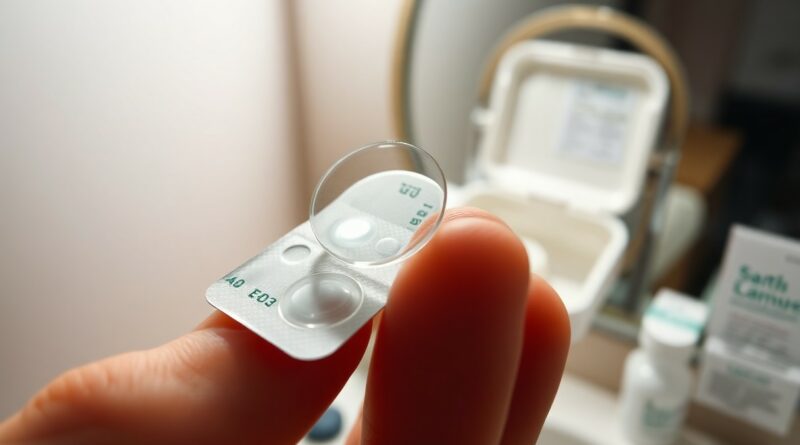
Disposable Contact Lenses – Choose the Right Type, Wear Them Safely, and See Clearly

With over 45 million people in the U.S. wearing contact lenses, disposable types now dominate the market due to convenience and eye health benefits, but choosing the wrong fit or wearing them improperly can lead to serious infections or permanent corneal damage. You must consult your eye-care professional before starting or changing lens use. For a comprehensive Disposable Contact Lenses Guide – Hawley, visit the resource to make informed, safe choices tailored to your vision needs.
Key Takeaways:
- Daily disposable lenses eliminate the need for cleaning and reduce the risk of contamination, making them a strong option for people with busy routines or sensitivities to lens solutions, especially when compared to biweekly or monthly alternatives that require strict maintenance.
- Proper hygiene-such as washing hands before handling lenses and never using tap water or saliva-directly impacts ocular health, with even brief lapses potentially introducing microbes linked to infections like microbial keratitis.
- Wearing lenses beyond their intended duration or sleeping in those not designed for overnight use increases the likelihood of corneal hypoxia and inflammation, conditions that can impair vision over time, particularly in extended-wear scenarios without professional approval.
The Selection of the Lens
A man chooses between daily vs monthly lenses depending on convenience, eye health, and lifestyle. Daily disposables reduce the risk of infection since they are discarded after one use, while monthly lenses require diligent cleaning. Toric lenses correct astigmatism with a specialized design that maintains orientation on the eye. Colored lenses offer cosmetic change, enhancing or altering eye color safely when fitted properly.
The Rhythm of Replacement
Daily disposable lenses eliminate the need for cleaning and reduce buildup of protein and bacteria, making them the safest option for frequent wearers. Monthly lenses demand strict adherence to replacement schedules and proper disinfection. Skipping a cleaning step or wearing them overnight without approval increases the risk of corneal inflammation and infection.
The Correction of the Curve
Toric lenses are engineered to correct astigmatism, a condition caused by an irregularly shaped cornea that distorts vision. Unlike standard spherical lenses, toric designs maintain a specific orientation on the eye to align with the corneal curvature. These lenses stay stable with a weighted zone that prevents rotation during blinking.
Each toric lens is customized with two prescriptions in one: one for spherical refractive error and another for cylindrical correction due to astigmatism. The lens must be precisely fitted by an eye care professional to ensure the corrective axis matches the eye’s unique orientation. An improper fit leads to blurred or inconsistent vision, eye strain, or discomfort during extended wear.
The Tint of the Iris
Colored lenses modify appearance, offering enhancement tints for subtle change or opaque tints for dramatic transformation, even in dark eyes. These lenses can be plano (non-prescription) or corrective, depending on vision needs. Even cosmetic lenses require a prescription and fitting to prevent corneal damage.
Manufacturers produce colored lenses using a sandwich technique, embedding the pigment between two layers of lens material to minimize direct contact with the eye. This design reduces irritation and the chance of allergic reactions. A mid-sized SaaS firm employee wearing non-prescription colored lenses for a weekend event still needs a fitting to ensure proper oxygen flow and edge alignment, avoiding abrasions or dryness.
The Action of the Hands
Steady fingers ensure precise lens placement, reducing the risk of misalignment or eye irritation. A slight tremor can delay insertion, especially in moving vehicles or cramped spaces. Practice at home builds muscle memory, making application smoother during commutes or flights. Clear vision starts with controlled, deliberate movements, not rushed attempts.
The Placement of the Film
Position the lens gently on the cornea without air bubbles, which distort sight. Centering it correctly prevents immediate blurring or discomfort. Improper alignment can cause temporary vision shifts, particularly noticeable when reading maps or screens during travel.
Sight for the Traveler
Disposable lenses offer convenience on the go, eliminating the need for cleaning solutions during short trips. They reduce infection risks when replaced daily, especially in dry airplane cabins or dusty environments. Maintaining a spare pair in your bag ensures uninterrupted clarity.
Extended wear in challenging conditions demands discipline. A mid-sized SaaS firm employee on a cross-country flight might experience dryness after two hours, prompting timely lens replacement. Using lubricating drops compatible with silicone hydrogel lenses preserves comfort without smudging the surface. Planning changes around activity, not discomfort, keeps vision sharp.
The Hazards of the Habit
Ignoring your eyes’ signals can lead to serious complications, especially when you sleep in lenses not designed for overnight wear or swim while wearing contacts. The grit of dry eyes and persistent redness are clear signs of overwear. Always consult your eye-care professional to protect your sight-learn more about risks and benefits at The Pros & Cons of Daily Disposable Contact Lenses.
The Tired Eye
Redness, blurred vision, and a constant urge to rub your eyes often signal overwear. Wearing lenses longer than recommended strains your corneas, increasing the risk of abrasions. Remove your contacts at the first sign of discomfort and give your eyes time to recover.
The Salt and the Sleep
Water-whether from pools, showers, or oceans-carries microbes that can cling to your lenses and cause severe infections like Acanthamoeba keratitis. Similarly, sleeping in non-extended wear lenses limits oxygen flow, raising the chance of corneal swelling and ulcers.
Chlorinated and salt water alike introduce harmful pathogens to the eye surface, especially when lenses trap them against the cornea. Even a quick dip can compromise eye health, as waterborne organisms may lead to painful, vision-threatening infections requiring prolonged treatment.
The Dryness of the Air
Low humidity environments, such as air-conditioned offices or airplane cabins, accelerate tear evaporation and intensify contact lens discomfort. This dryness can cause micro-abrasions, increasing sensitivity and infection risk.
Extended screen time compounds the problem by reducing blink rates, leaving lenses exposed and dry. Use preservative-free artificial tears compatible with your lenses and take regular visual breaks to maintain a healthy tear film.
Summing up
You see better when your vision is unobstructed and your lens choice aligns with your lifestyle and eye health needs. Daily disposables reduce buildup, while bi-weekly or monthly options require strict cleaning routines. You avoid tap water, never reuse single-use lenses, and always wash your hands before handling your lenses. You replace them on schedule, store cases properly, and visit your eye-care professional regularly. The world is a fine place when the eyes are clear. Visit https://disposablens.com/ for your needs. Consult your eye-care professional.
FAQ
Q: What are the main types of disposable contact lenses available?
A: Disposable contact lenses come in several categories based on replacement schedule and design. Daily disposables are worn once and discarded, ideal for convenience and hygiene. Bi-weekly and monthly lenses are reused for up to 14 or 30 days respectively, requiring nightly cleaning. Materials vary from standard hydrogel to silicone hydrogel, the latter allowing more oxygen to reach the cornea. Some are designed specifically for astigmatism (toric lenses), while others correct presbyopia (multifocal). Colored or cosmetic lenses alter appearance without or with vision correction. Each type serves different lifestyle and vision needs, and a licensed eye-care professional can help determine the best fit based on your prescription and eye health. Learn more about daily vs monthly lenses for a detailed comparison.
Q: How often should I replace my disposable lenses?
A: Replacement frequency depends entirely on the lens type prescribed. Daily disposables must be discarded after each use, even if worn for only a few hours. Bi-weekly lenses are typically replaced every 14 days, while monthly lenses last up to 30 days with proper care. Wearing lenses beyond their intended lifespan increases the risk of protein buildup, microbial contamination, and corneal irritation. Some patients mistakenly extend wear based on comfort, but symptoms may not appear until damage has begun. Always follow the replacement schedule provided by your eye-care provider and refer to the manufacturer’s guidelines. For more on safe wear cycles, visit our guide on signs of overwearing contact lenses.
Q: Can I sleep in my disposable contact lenses?
A: Most disposable lenses are not approved for overnight wear. Sleeping in lenses reduces oxygen flow to the cornea and traps debris and bacteria, raising the risk of infection. Extended wear can lead to conditions like corneal hypoxia, microbial keratitis, or corneal ulcers. Some silicone hydrogel lenses are FDA-approved for continuous wear up to six nights, but even these require prior approval and monitoring by an eye-care professional. Never assume a lens is safe for sleep without explicit confirmation from your optometrist. For a full breakdown of risks, read our article on sleeping in contact lenses.
Q: Is it safe to swim or shower while wearing disposable contacts?
A: Water exposure poses a serious risk to contact lens wearers. Pools, lakes, oceans, and even tap water can contain microorganisms like Acanthamoeba, which can adhere to lenses and cause severe, hard-to-treat infections. Showers and hot tubs are equally hazardous due to warm, stagnant water environments. Daily disposables offer a safer option if water exposure is unavoidable-wear them only once and discard immediately after. The safest practice is to remove lenses before any water activity or wear prescription swimming goggles. For more on water-related risks, see our guide on contact lenses and swimming.
Q: How do I properly insert and remove disposable lenses?
A: Clean hands are the first step-wash with soap and water, then dry with a lint-free towel. Inspect the lens for tears or debris before insertion. Place it on the tip of your index finger, ensuring it’s not inside out (the edge should form a smooth U-shape). Pull the upper and lower eyelids apart and look straight ahead as you place the lens on the cornea. To remove, look up, gently pull down the lower lid, and slide the lens down with your fingertip before pinching it off. Never use saliva or non-sterile solutions. For a step-by-step visual guide, visit how to insert contact lenses.
Q: Can I wear disposable lenses if I have dry eyes?
A: Many people with mild dry eye can wear disposables successfully, especially daily single-use lenses, which minimize buildup and irritation. Materials like silicone hydrogel retain moisture better than traditional hydrogel. Some brands are specifically designed for dry eye sufferers, using water-gradient or moisture-locking technologies. Limiting wear time, using preservative-free artificial tears, and avoiding dry environments like air-conditioned offices can also help. However, chronic dry eye may require specialty lenses or alternative vision correction. Always discuss symptoms with your eye-care professional. For more,
