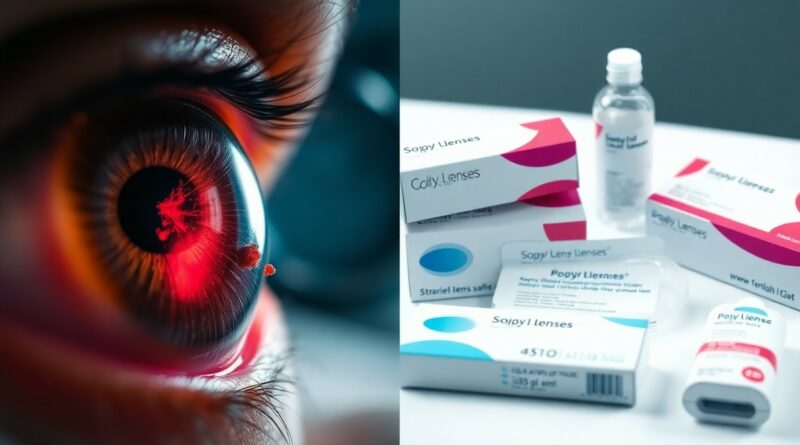
Sleeping in Contact Lenses – Why It's Risky and What FDA-Approved Options Exist
With over 90% of eye care professionals warning against it, sleeping in regular disposable contact lenses drastically increases your risk of serious eye infections. You are six to eight times more likely to develop corneal ulcers when wearing lenses overnight. However, FDA-approved extended-wear lenses like Air Optix Night & Day Aqua and MyDay Daily are designed for continuous wear up to 30 nights, offering a safer alternative when used as directed.
Key Takeaways:
- Sleeping in regular daily wear contact lenses cuts oxygen to the cornea and raises the risk of serious eye infections, including corneal ulcers, which can threaten vision.
- The FDA has approved specific extended-wear contact lenses designed to be worn overnight for up to seven days, made from materials that allow more oxygen to reach the eye.
- Even with FDA-approved overnight lenses, wearing them as directed and maintaining proper hygiene is vital-routine eye exams and lens care help prevent complications.
The Oxygen that Stops
Regular disposable lenses reduce the flow of oxygen to the eye when the lids are closed for sleep. Your cornea depends on oxygen from the air, and blocking it overnight raises the risk of hypoxia, which can lead to swelling, blurred vision, and potentially permanent damage.
The air the eye needs
Air reaches your eye directly when you’re awake, but during sleep, your eyelids block airflow. With regular lenses, this natural oxygen supply drops sharply. Your cornea struggles to breathe, increasing the chance of corneal edema and microbial infection.
The stillness of the night
Lens movement stops when you sleep, reducing tear exchange that flushes away debris and bacteria. Regular disposable lenses trap contaminants against your eye. This stillness creates a breeding ground for infections like keratitis.
While your eyes remain closed and inactive, the lack of blinking halts the cleaning action of tears. Wearing regular lenses overnight means proteins and microbes accumulate with no natural rinse cycle. This stagnation significantly raises your risk of serious corneal infections, especially if lenses are worn longer than prescribed.
The Risk of the Infection
Oxygen deprivation from wearing standard contact lenses overnight creates an ideal environment for microbial invasion. Your eyes rely on steady oxygen flow to stay healthy, and when regular lenses block it, the risk of infection rises sharply. Sleeping in non-approved lenses can lead to corneal ulcers, pain, and even vision loss.
The danger in the dark
During sleep, your eyelids block light and reduce oxygen to your corneas, compounding the problem. Regular lenses further restrict airflow, increasing the chance of hypoxia. This low-oxygen state weakens your cornea’s defenses, making it far more vulnerable to bacteria like Pseudomonas aeruginosa.
The cost of the habit
One night of leaving lenses in might seem harmless, but repeated behavior has consequences. Studies show wearers who sleep in regular contacts are six to fifteen times more likely to develop infections. Each instance raises the risk of long-term damage, discomfort, and medical expenses.
Ignoring this habit can lead to frequent doctor visits, antibiotic treatments, or even contact lens discontinuation. In severe cases, corneal scarring may result in permanent vision changes. The short-term convenience is outweighed by the potential for lasting eye health issues, making prevention imperative.
The Lenses for the Night
Extended-wear lenses are the safer alternative approved by the FDA for overnight use, allowing you to sleep while wearing them without immediately increasing your risk of serious complications. These lenses are specifically designed for continuous wear, typically up to seven nights, depending on the brand and material.
The seal of approval
FDA approval means your lenses meet strict safety standards for overnight wear. You can trust that extended-wear lenses like Acuvue Oasys 2-Week or Biofinity have undergone rigorous testing to ensure they minimize risks while you sleep.
The lens that breathes
High oxygen permeability is built into extended-wear lenses, allowing your eyes to breathe even when closed. This feature reduces the chance of corneal swelling and infection, making overnight wear significantly safer than with daily lenses left in by mistake.
Silicone hydrogel is the material behind the breathability of modern extended-wear lenses, delivering up to six times more oxygen to your eye than traditional hydrogel lenses. Brands like Acuvue Oasys and Biofinity use this technology to maintain corneal health during sleep, a critical factor in preventing hypoxia-related damage over time.
The Occasional Need
These approved lenses are for those who occasionally require them and want to keep their sight safe. The FDA has cleared certain contact lenses for extended wear, including overnight use, under strict guidelines. If you sometimes need vision correction while sleeping, these options offer a safer alternative to regular lenses. Learn more about proper usage and risks by visiting this Contact Lens Safety resource.
The choice of the lens
You must select only those lenses specifically approved by the FDA for extended wear. Brands like Air Optix Night & Day Aqua and Biofinity XR are designed to allow high oxygen flow to the cornea, reducing the risk of complications. Wearing any other type while sleeping increases your chance of corneal infection and should be avoided.
The safer path forward
You protect your eyes best by removing lenses before sleep, even with FDA-approved options. Extended wear still raises the risk of microbial keratitis by six to eight times compared to daily removal. For true safety, nightly removal and proper cleaning remain the gold standard in care.
While FDA-approved extended-wear lenses offer convenience, they aren’t risk-free. Studies show that even with these lenses, the infection rate increases significantly with continuous use. Your eyes need time to breathe and recover-giving them that break nightly is the most effective way to prevent long-term damage and maintain clear, healthy vision.
Summing up
With this in mind, sleeping in regular contact lenses increases the risk of corneal infection by six to eight times. The FDA has approved specific extended-wear lenses like Air Optix Night & Day Aqua and MyDay Daily Disposable, designed for overnight use up to seven days. Choosing the right lens makes all the difference in protecting your eye health.
FAQ
Q: Why is it dangerous to sleep in regular contact lenses?
A: Regular daily wear contact lenses are designed for use only while awake and must be removed before sleeping. When worn overnight, these lenses reduce the amount of oxygen reaching the cornea. The cornea gets most of its oxygen from the air, not blood vessels, and covering it with a lens during sleep creates a barrier. This low-oxygen environment increases the risk of corneal swelling, irritation, and serious infections like microbial keratitis. Studies show that sleeping in lenses not approved for overnight use raises the risk of infection by six to eight times.
Q: What happens to the eyes when oxygen flow is restricted?
A: The cornea needs a steady supply of oxygen to stay healthy and function properly. When contact lenses block oxygen-especially during sleep, when oxygen delivery is already reduced because the eyelids are closed-the cornea can become swollen, a condition called corneal edema. Prolonged oxygen deprivation weakens the cornea’s defenses, making it easier for bacteria to invade. This can lead to redness, pain, blurred vision, and in severe cases, permanent vision loss due to corneal ulcers.
Q: Are there contact lenses that are safe to sleep in?
A: Yes, some contact lenses are FDA-approved for extended wear, including overnight use. These lenses are made from special silicone hydrogel materials that allow significantly more oxygen to pass through to the cornea. Brands like Air Optix Night & Day Aqua, Biofinity, and Acuvue Oasys with Hydraclear Pro are approved for continuous wear for up to six nights or seven days, depending on the product and prescription. Only an eye care professional can determine if extended-wear lenses are appropriate based on your eye health and lifestyle.
Q: How long can you safely sleep in extended-wear contact lenses?
A: FDA-approved extended-wear lenses are typically safe for continuous wear for up to six nights and seven days, but this varies by brand and individual eye response. Even with these lenses, routine follow-ups with an eye doctor are necessary to monitor corneal health. Wearing them longer than recommended or ignoring signs of discomfort increases the risk of complications. Most eye care professionals still recommend removing lenses regularly when possible, even if approved for overnight use.
Q: What should you do if you accidentally fall asleep in regular contacts?
A: If you fall asleep in daily wear lenses, don’t panic. Gently remove the lenses as soon as you wake up. Blinking or using rewetting drops can help loosen them if they feel stuck. Monitor your eyes for redness, pain, sensitivity to light, or blurred vision over the next 24 hours. If any of these symptoms occur, stop wearing contacts and contact your eye doctor immediately. Repeated incidents increase the chance of infection, so consider discussing extended-wear options if this happens often.
