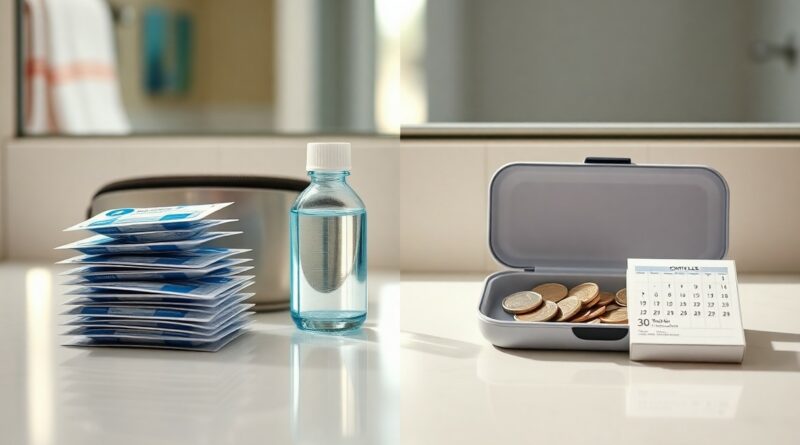
Daily vs Monthly Disposable Contact Lenses – Which Is Right for Your Lifestyle and Budget?

Many wearers overlook how much their daily routine and eye health can be affected by the type of contact lenses they choose. Daily disposables eliminate cleaning and reduce infection risks, making them ideal for those with busy schedules or sensitive eyes. Monthly lenses require nightly care but offer a lower cost per wear, appealing to budget-conscious users. Your decision hinges on hygiene preferences, lifestyle demands, and long-term spending. Explore lens options at disposablens.com to find the best fit.
Key Takeaways:
- Daily disposable lenses eliminate the need for cleaning and storage, reducing the risk of contamination and offering a convenient option for people with active or travel-heavy lifestyles.
- Monthly lenses require nightly disinfection and proper case maintenance, introducing more variables for user error, though they typically offer a lower daily cost over time.
- A mid-sized SaaS firm employee who frequently attends back-to-back meetings and travels weekly may find daily disposables save time and reduce the likelihood of skipping lens hygiene due to fatigue or schedule demands.
Exploring Contact Lens Types and Replacement Schedules
Daily disposables are designed for single-use and immediate disposal, while monthly lenses are engineered for 30 days of continuous daily wear. Daily disposables eliminate cleaning routines, reducing the risk of contamination, whereas monthly lenses require nightly disinfection to maintain safety. Perceiving the differences in handling and discipline can clarify which option aligns with your routine. Learn more about your choices at Choosing Between Daily vs. Monthly Contacts.
| Lens Type | Replacement Frequency |
| Daily disposable | Every day, single use |
| Monthly disposable | Every 30 days |
| Cleaning required | No for dailies, yes for monthlies |
| Risk of protein buildup | Minimal in dailies, higher in monthlies |
The mechanics of single-use daily lenses
A fresh lens is applied each morning and discarded at night, ensuring consistent comfort and minimizing microbial accumulation. Daily disposables require no solutions or cases, reducing clutter and eliminating user error in maintenance. This design supports ocular surface health by preventing debris buildup over time.
Structural features of reusable monthly lenses
Monthly lenses are constructed with durable, oxygen-permeable materials designed to withstand repeated handling and cleaning. Their thicker composition resists dehydration over extended wear cycles. Monthly lenses retain shape and clarity through daily use, provided proper hygiene is maintained throughout the 30-day period.
These lenses often incorporate advanced hydration technologies to support all-day comfort, a necessity given their prolonged use. Unlike daily disposables, monthly lenses depend heavily on consistent care routines, including enzymatic cleaning to remove protein deposits. A mid-sized SaaS firm employee switching from dailies to monthlies reported a noticeable adjustment period due to increased lens awareness after eight hours of screen time.

Pros and Cons: Hygiene, Convenience, and Compliance
Daily disposable lenses eliminate the need for cleaning, reducing the risk of contamination from improper care, while monthly lenses demand strict adherence to disinfection protocols. Skipping even one night’s cleaning can compromise eye health, especially for those with busy routines. Your lifestyle directly influences how consistently you’ll maintain lens hygiene, making the choice between convenience and cost a personal calculation.
| Daily Lenses | Monthly Lenses |
| No cleaning required | Require nightly disinfection |
| Fresh pair each day | Reusable for up to 30 days |
| Lower risk of contamination | Higher risk if not cleaned properly |
| Convenient for travel | Need carrying case and solution |
| Higher long-term cost | Lower upfront cost per lens |
| Ideal for allergy sufferers | Protein buildup over time |
| No storage needed | Require proper storage routine |
| Reduced dryness symptoms | May dry out faster with reuse |
| Less daily decision fatigue | Require tracking of wear schedule |
| Best for irregular wearers | Require consistent wear pattern |
Reducing protein buildup and infection risks
Daily disposables are discarded before protein deposits and microbes accumulate, significantly lowering the chance of irritation or infection. With monthly lenses, even diligent cleaning may not remove all residue, especially if worn beyond recommended times. Your eyes stay healthier when exposure to buildup is minimized from the start.
Managing the maintenance cycle for reusable wear
Monthly lenses require you to follow a strict nightly routine of rinsing, disinfecting, and storing, with non-compliance directly linked to increased complications. Forgetting solution changes or reusing old solution raises contamination risks. Success depends on your ability to maintain consistency, even during travel or fatigue.
A mid-sized SaaS firm employee who wears monthly lenses reported recurring dryness and discomfort after skipping cleaning steps during high-stress workweeks. This pattern reflects a common issue: real-world adherence often falls short of ideal regimens. Reusable lenses place the burden of hygiene entirely on the wearer, and lapses-no matter how minor-can trigger inflammation or microbial keratitis, particularly when lenses are worn overnight by mistake. Proper compliance isn’t just routine, it’s a daily commitment to eye safety.
Key Financial Factors and Cost Tradeoffs
Monthly lenses typically have a lower price point per lens, but daily disposables eliminate the ongoing cost of purchasing cleaning solutions and storage cases. Over time, these recurring expenses can add up, especially if you frequently replace cases or use premium solutions.
- You save on cleaning solutions with dailies
- You avoid replacement costs for storage cases
- You may pay more upfront per lens with daily disposables
This Daily lenses vs Monthly lenses, which do you prefer and … discussion highlights real user experiences weighing these tradeoffs.
Analyzing the annual cost of daily wear
A mid-sized SaaS firm employee switching to daily disposables might spend more per lens, but eliminates solution costs entirely. For someone wearing contacts 300 days a year, the math shifts significantly when factoring in 10 to 12 lens cases and six to eight solution bottles annually. This
Budgeting for monthly maintenance supplies
Monthly lens wearers must account for solution and case replacements every one to three months. A standard multipurpose solution bottle lasts about one month with daily use, adding noticeable expense over time. This
Replacing your case every month reduces contamination risk and maintains hygiene, but increases annual spending by at least $24 if cases cost $2 each. Solution costs vary, but a typical 10-fluid-ounce bottle averages around $12 and must be purchased monthly. This ongoing requirement means monthly lens users often spend over $150 yearly on supplies alone, separate from the lenses.
Step-by-Step Guide: Who Should Choose What?
Choosing the right contact lens frequency depends on your health, habits, and schedule. Daily vs. Monthly Contacts: Contact Lens for Your Lifestyle breaks down key considerations for wearers. The table below summarizes who benefits most from each option based on real-world needs and routines.
| Daily Disposable Lenses | Monthly Disposable Lenses |
|---|---|
| Best for people with eye allergies, dryness, or sensitivity-each new lens eliminates buildup of proteins and irritants | Ideal for those with a stable routine who can commit to nightly cleaning and proper storage |
| Suitable for active individuals who frequently switch between glasses and contacts or spend time outdoors | More economical over time, especially for full-time wearers with consistent access to hygiene supplies |
Identifying your specific wearer profile
Your eye health history and daily environment shape the best lens choice. If you experience allergies or irritation with extended wear lenses, daily disposables reduce exposure to contaminants. Those with predictable schedules and no sensitivities often adapt well to monthly lenses with proper care.
Matching lens frequency to your daily activities
Active lifestyles with frequent travel or outdoor exposure favor daily lenses-no cleaning, no cases, and lower infection risk. Monthly lenses suit office-based routines where wear times are consistent and hygiene practices are reliable.
Someone working in a dusty environment or exercising regularly introduces more debris and sweat into their eye area, increasing the chance of discomfort or infection with reusable lenses. Daily disposables eliminate this risk by providing a fresh, sterile lens each morning. In contrast, a person working in a climate-controlled office with a nightly routine can safely reuse monthly lenses, saving on long-term costs without compromising comfort.
Essential Health Tips and Professional Safety Note
Always follow the professional advice and specific prescriptions provided by an eye-care professional. Ignoring customized recommendations can lead to discomfort, infection, or long-term damage. Use only the lens type, wear schedule, and cleaning solutions prescribed for your eyes. The health of your corneas depends on strict adherence to medical guidance.
- Wash hands thoroughly before handling lenses
- Never reuse or top off contact lens solution
- Replace your lens case every three months
- Adhere to the wear and replacement schedule prescribed
- Remove lenses immediately if irritation or redness occurs
The risk of microbial keratitis increases significantly with improper care, making compliance non-negotiable.
Proper handling and storage techniques
Always wash your hands with soap before touching lenses to prevent transferring bacteria. Store lenses in fresh solution daily, never water, and replace the case every three months to reduce contamination risk. The lens hygiene routine directly impacts ocular health and wearing comfort.
The role of optometrists in lens selection
Your optometrist evaluates corneal shape, tear film quality, and daily habits to determine the safest lens type. They consider factors like screen time, dry eye symptoms, and allergy history. The prescription is not one-size-fits-all but tailored to your eye physiology.
Optometrists use corneal topography and tear breakup time tests to assess suitability for daily or monthly lenses. For a mid-sized SaaS firm employee who works 10-hour days in air-conditioned offices, they might recommend dailies to minimize dryness. The clinical assessment prevents complications such as hypoxia or giant papillary conjunctivitis, ensuring long-term eye health.
Summing up
Daily disposable lenses eliminate the need for cleaning solutions and storage cases, reducing the risk of contamination and offering unmatched convenience for travel or active schedules. Monthly lenses, while requiring nightly care, provide a lower cost per wear for those consistent with hygiene routines. Your choice hinges on balancing time, budget, and lifestyle demands, with daily disposables supporting spontaneity and monthly options favoring long-term economy. Explore your options at disposablens.com to find the fit that aligns with your routine.
FAQ
Q: What is the main difference between daily and monthly disposable contact lenses?
A: Daily disposable lenses are worn once and discarded at the end of the day, requiring no cleaning or storage. Monthly disposables are designed to last up to 30 days with proper nightly removal, cleaning, and storage in solution. A college student pulling all-nighters during finals week might find dailies more convenient, while someone with a consistent routine may manage monthlies effectively with proper hygiene.
Q: Are daily disposable lenses healthier for my eyes than monthly lenses?
A: Daily disposables reduce the risk of protein and bacteria buildup since a fresh lens is used each day. Without the need for cleaning solutions, users avoid potential allergic reactions to preservatives. A patient with a history of dry eye or mild conjunctivitis may benefit from dailies due to reduced surface deposits. Monthly lenses, when not cleaned thoroughly, can harbor microorganisms that increase the chance of infection over time.
Q: How does lifestyle influence the choice between daily and monthly disposables?
A: Active individuals who travel frequently or have unpredictable schedules often prefer daily disposables for their no-fuss nature. Someone attending weekend hiking trips or international conferences may appreciate not carrying cases or solutions. In contrast, office workers with stable routines might find monthly lenses practical, especially if they wear contacts only during work hours and maintain a consistent care regimen.
Q: Is there a significant cost difference between daily and monthly lenses?
A: Monthly lenses typically have a lower upfront cost per pair, but require ongoing expenses for cleaning solutions and storage cases. Over a year, a mid-sized SaaS firm employee wearing dailies might spend more on lenses alone, but save on solution costs and reduce the risk of costly eye infections linked to poor lens hygiene. The total annual expense can be comparable when factoring in compliance and ancillary supplies.
Q: Do eye doctors recommend one type over the other?
A: Many optometrists recommend daily disposables for patients who struggle with lens care routines or have sensitivities to solutions. Teenagers adjusting to contact wear, for example, often receive prescriptions for dailies to encourage compliance. Monthly lenses may be suggested for patients with strong prescriptions where daily options are limited or more expensive. The final decision aligns with individual eye health, wearing habits, and professional assessment.
Q: Can I sleep in daily or monthly disposable lenses?
A: Most daily and monthly disposables are not approved for overnight wear unless specifically labeled as extended-wear. Sleeping in lenses increases the risk of corneal hypoxia and microbial keratitis. A nurse working 12-hour night shifts should consult their eye doctor before considering any extended wear option, as even approved lenses carry higher risks with continuous use.
Q: Where can I find affordable, high-quality daily and monthly disposable lenses?
A: disposablens.com offers a curated selection of FDA-approved daily and monthly disposable lenses, with direct shipping and subscription options to suit different lifestyles. Whether you’re switching from glasses or optimizing your current routine, the site provides clear comparisons and secure ordering. Visit https://disposablens.com/ to explore options tailored to your prescription and preferences.
