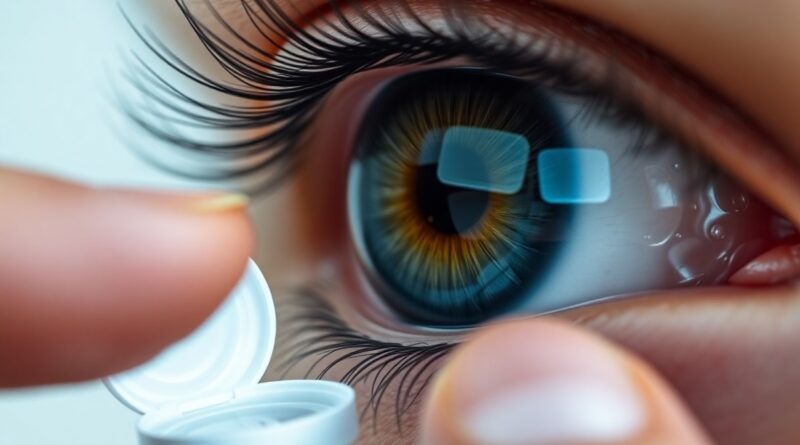
Why Eye Irritation Is More Common in Contact Lens Wearers Than You Think
There’s a surprising mix of factors that make your eyes more vulnerable when you wear contacts: contaminated water can introduce dangerous microbes, air pollution and dust increase irritation, and lax hygiene raises infection risk; using daily disposables and strict cleaning is a proven way to protect your eyes. See What Causes Contact Lens-related Eye Infections for authoritative prevention guidance.
Key Takeaways:
- Water and hygiene: tap water, swimming, and improper cleaning introduce microbes (including Acanthamoeba) and residues that irritate or infect the eye; strict lens-care practices and avoiding water contact reduce risk.
- Environmental factors: pollution, smoke, and airborne allergens deposit on lenses and disrupt the tear film, increasing dryness, redness, and discomfort for contact lens wearers.
- Disposables help: daily or frequent-disposable lenses minimize deposit buildup and handling-related contamination, substantially lowering irritation and infection risk compared with reused lenses when combined with good hygiene.
Contact Lens Materials and Design
Silicone hydrogel lenses deliver much higher oxygen transmissibility than older hydrogels-typical Dk/t values exceed 100 for high-performance silicone hydrogels versus ~20-40 for conventional hydrogels-so if you experience midday redness, material choice often explains it. You should weigh surface treatments and edge design too: they affect wettability and mechanical interaction with the lid. Environmental factors like tap water, air pollution, and poor case hygiene accelerate deposits and microbial risk, which is why daily disposables often reduce irritation and contamination.
Oxygen permeability, wettability, and deposits
High Dk/t (e.g., >100) reduces hypoxic stress, while surface wettability determines blinking comfort; lenses with superior wettability keep your tear film stable. Protein and lipid deposits can form within 24-48 hours, worsening irritation and allergy-like symptoms. If you rinse or store lenses in tap water you increase risk of Acanthamoeba infection. Switching to daily disposables removes buildup and avoids contaminated cases, a proven way to lower deposit-related problems.
Lens fit, movement, and prescription mismatch
Proper fit lets the lens move ~0.5 mm on blink and ensures tear exchange; too tight reduces oxygen and causes redness, while too loose causes edge awareness and intermittent blur. Base curve choices commonly fall between 8.3-8.6 mm, and a poorly matched base curve or power can produce chronic irritation. You should report persistent discomfort after a week-fit or prescription error is often the culprit.
In practice, small mismatches make a big difference: toric lenses that rotate more than 10° lose astigmatic correction and cause fluctuating vision, and diameter changes (e.g., 13.8 vs 14.5 mm) alter lid interaction and comfort. During refitting, practitioners measure centration, movement, and over-refraction; if you have >0.75 D residual astigmatism or frequent deposit formation, consider different material, surface coating, or daily disposables to resolve both mechanical and optical sources of irritation.
Hygiene, Handling, and Wear Habits
You’ll increase irritation when oils, pollution particles, or microbes transfer from hands, water, or the environment onto lenses; Acanthamoeba from tap/shower water and particulate pollution from smog are common offenders. Daily disposables remove the storage-case variable and reduce handling-studies show lower contamination rates with dailies versus reusables-so switching to daily disposables often cuts your microbial and allergen exposure dramatically.
Cleaning, rubbing, storage, and replacement schedules
You must rub-and-rinse lenses even if a “no‑rub” solution is labeled, discard solution daily, and never “top off”; replace your case every 3 months and follow the lens schedule (daily, biweekly, monthly) exactly. Using tap water, swimming, or contaminated cases raises infection risk; for example, case contamination often precedes bacterial keratitis outbreaks. Proper technique and timely replacement slash both irritation and sight‑threatening infections.
Overnight wear, extended wear, and overuse
Sleeping in lenses increases your risk of microbial keratitis by several‑fold compared with daytime wear, and extended-wear regimens (continuous wear beyond nightly removal) further raise hypoxia and infection risks; even silicone‑hydrogel lenses with higher oxygen transmissibility don’t eliminate that elevated risk. If you routinely sleep in lenses, you should treat this as a higher‑risk habit and monitor symptoms immediately.
Physiologically, overnight wear reduces tear exchange, promotes bacterial biofilm growth, and impairs corneal oxygenation, which leads to epithelial compromise and faster Pseudomonas or Acanthamoeba invasion; switching to daytime wear or to daily disposables cuts these pathways. Your eye doctor may allow limited extended wear for certain lenses, but evidence shows infection and neovascularization rates remain higher, so follow-up visits and strict avoidance of water exposure are important.

Environmental and External Contributors
Outdoor smog, indoor HVAC systems, and contaminated water all change how your lenses interact with the eye; low humidity (<30%), high PM2.5 or ozone days, and poor water quality increase deposit buildup and inflammation. You can lower risk by using daily disposables and strict hygiene-see How Can I Prevent Eye Irritation When Wearing Contact Lenses? for practical steps and product choices.
Air quality, humidity, and pollutants
Dry indoor air and airborne pollutants make your tear film evaporate faster, so you’ll feel grittyness and redness more often; humidity under 30% and particulate pollution increase lens deposit and allergy symptoms. Offices with central heating or frequent smoke events raise your risk, while using humidifiers, reducing exposure on smog days, and choosing daily disposables can cut symptom frequency and microbial buildup.
Water exposure and swimming/showering with lenses
Tap, pool, lake, and shower water contain microbes like Pseudomonas and Acanthamoeba that adhere to your lenses and can cause severe infection; never swim or shower with lenses in and always use goggles if you must. Daily disposables remove lens-case exposure, lowering infection pathways compared with reusable lenses.
Lens cases rapidly form biofilm that resists disinfection and can seed infections for weeks, so you should discard cases every 3 months, avoid “topping off” solution, and replace reusable lenses per schedule. If you’re exposed to water, remove lenses immediately and seek care for persistent pain or vision changes; switching to daily disposables eliminates case-related contamination entirely.

Ocular Surface Changes and Physiologic Responses
Contact lenses alter tear exchange, oxygen transmission and microbial exposure, so you’ll often see tear breakup time fall from >10s to <7s, increased deposits and hypoxic stress that elevate inflammatory markers. Environmental factors - poor water quality, airborne pollution and lax hygiene - amplify epithelial disruption and infection risk; exposure to tap or pool water can raise Acanthamoeba or bacterial keratitis risk by up to 16-20 times. Using daily disposables helps limit buildup and lowers overall risk.
Tear film disruption and dryness
When you wear lenses the pre‑corneal tear film thins and lipid/protein deposits shorten TBUT, worsened by pollution and hard water minerals. Screen use plus lenses can reduce blink rate to ~5-7/min, increasing evaporation and dryness. Poor case hygiene and water exposure introduce microbes that irritate the surface; switching to daily disposables cuts deposit accumulation and, in many studies, lowers symptomatic events by up to 50%, improving comfort and tear stability.
Inflammation, mechanical irritation, and allergies
Your lids and conjunctiva respond to mechanical friction, lens deposits and allergens: about 40% of wearers report intermittent discomfort, and edge impingement or poor fit can produce papillary conjunctivitis. Contaminated cases harbor biofilms in >50% of users, driving chronic inflammation and raising infection risk. Better hygiene, reduced water exposure and choosing daily disposables reduce antigen load and mechanical stress, decreasing flare frequency.
Microtrauma from a poorly fitting lens elevates inflammatory cytokines (IL‑6, IL‑8) and matrix metalloproteinases, delaying epithelial healing and increasing pathogen susceptibility; even small epithelial defects substantially raise microbial keratitis risk. You should avoid showering or swimming with lenses, replace cases monthly, and consider daily disposables if you have seasonal allergies or frequent deposits-these steps reduce antigen exposure and significantly lower inflammation and infection rates.

Microbial Risks and Biofilm Formation
Biofilms can form on lenses and cases within 24-48 hours, sheltering bacteria like Pseudomonas aeruginosa and fungi from disinfectants. Environmental factors such as poor tap water quality, high pollution, and swimming in contaminated pools increase exposure; Acanthamoeba infections have been linked to tap-water rinsing and showering while wearing lenses. You cut risk markedly by choosing daily disposables, which eliminate case reservoirs and reduce cumulative microbial load compared with reusable lenses.
Contact-lens-related infections and symptoms
Microbial keratitis occurs at rates of roughly 1-4 per 10,000 wearers annually for daily soft lenses, rising to 20-40 per 10,000 with overnight wear. You should watch for intense pain, redness, light sensitivity, discharge, or sudden vision loss-Pseudomonas can cause corneal melt within 48 hours. Prompt removal and urgent ophthalmic assessment are imperative to prevent permanent scarring or vision loss.
Case contamination and microbial reservoirs
Lens cases act as persistent reservoirs: studies detect bacterial or fungal contamination in 30-60% of samples, with biofilms shielding microbes from multipurpose solutions. You increase contamination risk by topping off solution, using tap water, or failing to air-dry the case. Environmental pollution and municipal water-quality spikes (for example after floods) correlate with higher case contamination rates and outbreaks of Acanthamoeba keratitis.
Always empty, rub, and rinse your case with fresh disinfecting solution, then leave it open to air-dry and replace it every 3 months; using tap water or “topping up” solution raises contamination dramatically. Switching to daily disposables removes the case vector entirely and lowers infection odds, while peroxide systems and proper heat disinfection deliver higher microbial kill rates when reusable lenses are necessary.
Prevention, Management, and When to Seek Care
You can reduce irritation by targeting environmental and hygiene risks: avoid contact with tap or pool water (CDC links Acanthamoeba to water exposure), limit lens use in high-pollution or dusty settings (PM2.5 worsens tear instability), and swap reusable lenses and cases regularly-replace lens cases every 3 months. Daily disposables remove case-contamination risk and lower reusable-lens complications, while preservative-free lubricants and planned lens-free intervals help manage chronic dryness and irritation.
Practical preventive steps and product choices
You should wash hands for at least 20 seconds and dry with a lint-free towel before handling lenses; never rinse or store lenses in tap water. Use fresh solution daily and perform a rub-and-rinse step with multipurpose solution, replace your case every 3 months, and consider daily disposables to eliminate storage-related contamination. In polluted environments wear wraparound glasses, use preservative-free drops for dryness, and avoid swimming or showering with lenses to cut infection risk.
Red flags and when to see an eye care professional
If you experience severe pain, sudden decreased vision, intense light sensitivity, or thick purulent discharge, remove lenses and seek urgent care-these can indicate a corneal ulcer or serious infection. Persistent redness or irritation lasting more than 48 hours, or a foreign-body sensation that doesn’t improve after lens removal, warrants evaluation within 24-48 hours to prevent progression and vision loss.
At your visit the clinician will perform slit-lamp exam with fluorescein staining and may take corneal cultures if an ulcer is suspected; treatment often begins immediately with topical antibiotics, sometimes hourly, and close follow-up in the first 24-48 hours. Delayed treatment increases risk of scarring and permanent vision impairment, so rapid assessment and adherence to prescribed drops and return visits is crucial.
To wrap up
With these considerations, you can see why eye irritation is more common in contact lens wearers: water quality and environmental pollution introduce microbes and particles that cling to lenses, while poor hygiene practices increase infection risk; using daily disposable lenses, following proper cleaning, avoiding tap water exposure, and minimizing polluted-air exposure significantly lowers irritation and promotes healthier eyes.
FAQ
Q: Why are contact lens wearers more likely to experience eye irritation?
A: Contact lenses sit directly on the tear film and cornea, so they concentrate exposure to anything in the eye’s environment. Poor water quality (tap water, pools, hot tubs) can introduce microbes and minerals that adhere to lenses or contaminate cases, causing irritation or infection. Air pollution and airborne particles (dust, pollen, smoke, vehicle exhaust) deposit on lens surfaces and the tear film, disrupting comfort and clarity. Inadequate hygiene-touching lenses with unwashed hands, topping off lens solution, or failing to clean and replace storage cases-raises contamination risk. Together these factors increase inflammation, dryness, and the chance of infectious keratitis compared with non-lens wearers.
Q: How does water quality specifically contribute to lens-related eye problems?
A: Tap and recreational water can contain bacteria, amoebae (Acanthamoeba), and mineral deposits. Rinsing lenses or cases with tap water, swimming or showering while wearing lenses, or exposure to humid environments allows these contaminants to adhere to lens surfaces or form biofilms in cases. Those biofilms are hard to remove and protect microbes from disinfecting solutions, increasing irritation, redness, pain, and risk of severe infection. Using only sterile contact solution and avoiding water contact with lenses and cases greatly reduces this pathway of contamination.
Q: How do pollution and poor hygiene combine to worsen symptoms, and how do daily disposables help?
A: Pollution deposits particles and chemical irritants onto lenses and into the tear film, which attracts more deposits and can provoke inflammation. Poor hygiene-extended wear, sleeping in lenses, improper cleaning or case replacement-lets those deposits accumulate and allows microbes to multiply. Daily disposable lenses reduce these risks by eliminating overnight accumulation, removing the need for cleaning and storage (which prevents case-borne contamination), and providing a fresh, debris-free surface each day. For people in polluted environments or with inconsistent hygiene habits, switching to daily disposables markedly lowers irritation and infection rates.
