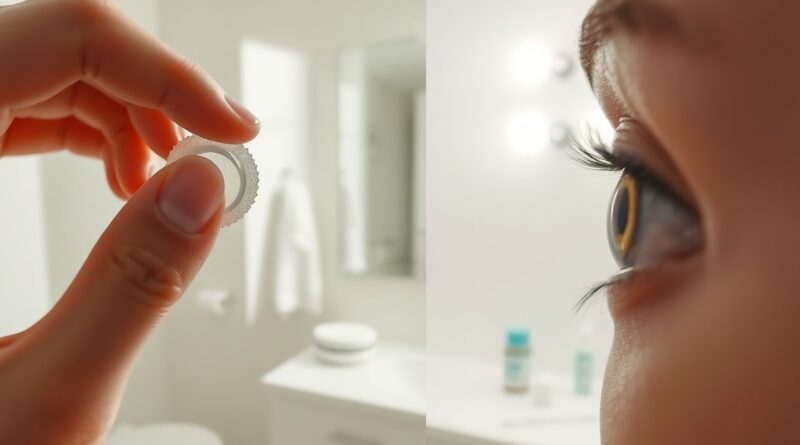
How to Use Disposable Contact Lenses Correctly (Step‑by‑Step Guide) {Practical tutorial covering insertion, removal, hygiene, and storage.
contact lens safety begins with you: follow step‑by‑step insertion and removal, and always wash your hands thoroughly before handling lenses. Inspect lenses for damage, use only recommended solution and case care, and never wear lenses past their prescribed wear time – sleeping in disposable lenses or sharing them raises serious infection risk. If you experience pain or redness, remove lenses and consult your eye care professional; replace lenses as directed to protect your vision.
Key Takeaways:
- Wash and dry hands before handling lenses; inspect each lens for tears or debris and confirm correct orientation before placing it on your fingertip and inserting.
- To remove, wash hands, look up, pull down the lower lid, and gently pinch the lens between thumb and index finger to slide it off; discard daily disposables immediately after use.
- Use only sterile contact solution (never tap water), clean and replace storage cases regularly, follow the prescribed replacement schedule, and avoid sleeping or swimming in lenses unless specifically approved.

How to Insert Disposable Contact Lenses
Preparing Your Hands and Lenses
Wash your hands with soap and water for at least 20 seconds, rinse thoroughly and dry on a lint-free towel; avoid fabric that sheds. Inspect the lens for tears, debris, correct orientation (edges should curve inward), and match it to the correct eye. For daily disposables use a fresh lens; for reusable lenses always soak in fresh solution. Never use tap water on lenses, and if a lens is torn or gritty, discard it immediately.
Insertion Step-by-Step Guide
Place the lens on your index finger so it forms a smooth cup, then hold your lower lid with the middle finger of the same hand and lift the upper lid with the other hand. Look up and gently set the lens on the white of the eye or directly on the cornea; hold for about 1-2 seconds while you release the lids and blink to center. If discomfort or persistent redness occurs beyond a few minutes, remove the lens and consult your eye care professional.
Practice the sequence slowly at first: washing (20 s), inspection, placement (1-2 s), and settling (blinking). If you wear makeup, insert lenses before applying cosmetics and never insert while showering. Keeping nails short reduces the chance of scratching; many users find success within 3-5 tries when following this routine precisely.
Insertion steps and details
| Step | Details / Tip |
| 1. Wash hands | Use soap and water for 20 seconds, rinse, dry with lint-free towel; no tap water on lenses. |
| 2. Inspect lens | Check for tears, debris, inside-out (bowl test). Match lens to correct eye and expiry. |
| 3. Load lens | Place on index finger as a cup, edges up; avoid touching edges with nails. |
| 4. Hold lids | Pull lower lid down with middle finger, lift upper lid with other hand to prevent blinking. |
| 5. Place lens | Look up, gently set lens on lower sclera or cornea, hold 1-2 seconds, then release and blink slowly. |
| 6. Aftercare | Blink to center, check comfort for 5-10 minutes; if pain, persistent redness, or vision change occurs, remove lens and seek professional help. |
Tips for Successful Removal of Contact Lenses
Follow these practical pointers to make contact lens removal quick and safe: wash and dry your hands for 20 seconds, work over a clean surface, use a well-lit mirror, and check lenses for rips before handling; avoid fingernails and use fingertips only. If a lens feels stuck, apply preservative-free rewetting drops and wait 1-2 minutes. Disposable contact lenses should never be worn past their prescribed schedule to reduce infection risk. Recognizing when to stop and seek professional help-pain, redness, or blurred vision-prevents complications.
- Wash hands with soap and water for 20 seconds and dry with a lint-free towel.
- Inspect the lens for tears; confirm correct side and orientation before touching your eye.
- Use preservative-free rewetting drops if the lens resists movement; wait 1-2 minutes and try again.
- Avoid long fingernails or tweezers; use fingertips and a gentle pinching motion to remove.
- Discard disposable lenses according to schedule; consult your eye care provider within 24 hours for persistent pain or redness.
Preparing for Removal
Position yourself over a clean surface with good lighting and a mirror; sit or stand comfortably to steady your hands. Wash and dry hands thoroughly for 20 seconds, remove jewelry, and trim nails to under 2 mm to avoid scratching the lens. Place a clean towel and small bowl of solution nearby if you use rewetting drops. If you wear makeup, remove eye makeup first to reduce hygiene-related contamination.
Safe Removal Techniques
Tilt your head forward and look up, pull down the lower eyelid with your middle finger, then use your index finger to slide the lens onto the white part of the eye before pinching gently between thumb and index to lift it off. Keep motion slow-aim for under 10 seconds per eye-to limit irritation. If the lens folds or tears, discard and replace; never use tweezers or metal tools. Apply preservative-free drops if the lens resists movement to lubricate the surface.
For soft lenses, you can use the “pinch” method; for rigid gas-permeable lenses, use the “suction” technique with a small eye cup sold by manufacturers. If a lens is stuck, apply 1-2 drops and blink 5-10 times, gently massage the eyelid for up to 60 seconds, then retry. Studies link improper removal to a higher risk of microbial keratitis, so stop and contact your eye care provider if pain, intense redness, or vision change occurs within 24 hours.
Hygiene Practices for Contact Lens Wearers
Keep hygiene central to your routine: wash your hands with soap and water for at least 20 seconds before touching lenses, dry on a lint‑free towel, use a recommended multipurpose solution, replace your lens case every 3 months, and never rinse lenses or cases with tap water because of the risk of Acanthamoeba and other eye infections.
Daily Cleaning and Disinfecting Tips
Adopt a consistent cleaning routine: always perform the rub‑and‑rinse step even with “no‑rub” solutions, follow the solution label for soak time (commonly 4-6 hours), avoid topping off solution in the case, and replace lenses as prescribed. Any deviation increases infection risk.
- Rub‑and‑rinse with multipurpose solution
- Soak time – follow label (typically 4-6 hours)
- Replace case every 3 months
- No tap water for rinsing
Importance of Hand Hygiene
Before insertion or removal, wash your hands for at least 20 seconds with soap and warm water, scrub under nails and between fingers, then dry with a clean lint‑free towel; do not handle lenses with wet or lotion‑coated hands because residues transfer microbes and irritants.
Use a systematic technique: wet, lather for 20 seconds, rinse thoroughly, and dry with a clean lint‑free towel; keep nails short and avoid chipped polish since debris raises microbial load, insert lenses before applying makeup and remove them before cleansing around the eyes, and if soap isn’t available use a ≥60% alcohol hand sanitizer but allow your hands to fully evaporate to prevent chemical residue and irritation.
Proper Storage of Disposable Contact Lenses
Store lenses by type: daily disposables are single‑use and must be discarded after wear, while 2‑week and monthly lenses require fresh multipurpose solution and a clean case. Wash and dry your hands before handling, rub and rinse when instructed, and soak lenses per manufacturer guidance (often 4-6 hours). Never use tap water or saliva. Follow official instructions such as Alcon TOTAL® Contact Lens Handling Instructions and replace your case every 3 months.
How to Store Lenses Safely
Wash with soap and dry on a lint‑free towel before touching lenses, then place each lens in its designated well and fill the case with fresh solution-do not “top off” or reuse old solution. Close the bottle between uses, store the case upright in a cool, dry place away from direct sunlight, and avoid exposing lenses to water or humid bathrooms to reduce microbial risk.
Understanding Expiration Dates
Check the expiry printed on blister packs and solution bottles: using lenses or solution past their expiry increases infection risk. For packaged lenses the date on the blister is the last safe use date; for reusable lenses mark the date you open a new pair and follow the replacement schedule on the label. If a solution bottle lists a discard‑after‑opening period, follow that interval exactly.
For example, if a blister shows “2026‑05‑15,” do not use that lens after 15 May 2026. For monthly lenses write the opening date on the case and discard after 30 days; for biweekly lenses discard after 14 days of wear. When in doubt, discard expired or questionable lenses and solution-using out‑of‑date products significantly raises the chance of eye irritation and infection.
Factors to Consider When Choosing Disposable Lenses
When deciding on disposable lenses, weigh fit, material, and replacement schedule against how you live and work. Inspect lens oxygen permeability (Dk/t), confirm prescription compatibility, and balance cost with comfort. Choose lenses with high water content if you suffer dryness; alternatives include silicone hydrogel for extended wear. The best choice will match your eye shape, tear film, and daily routine.
- Fit – base curve and diameter for comfort
- Material – silicone hydrogel vs hydrogel
- Replacement schedule – daily, biweekly, monthly
- Cost – per‑lens vs long‑term care expenses
- Oxygen transmission – Dk/t values for corneal health
Different Types of Disposable Contacts
You can pick between daily, biweekly, and monthly disposables; daily disposables eliminate cleaning and lower infection risk by about 50% compared with reusables. Some toric and multifocal options now come as dailies, improving convenience for astigmatism and presbyopia. Assume that dailies cost more per lens but reduce long‑term care time.
- Daily – single‑use, best hygiene
- Biweekly – balance of cost and convenience
- Monthly – longer wear cycle, stricter cleaning
- Toric / Multifocal – for astigmatism or presbyopia
| Daily | Single‑use; lowest contamination risk; higher per‑lens cost |
| 2‑Week | Reusable with cleaning; moderate infection risk if care lapses |
| Monthly | Longest replacement interval; demands strict hygiene and storage |
| Silicone hydrogel | High oxygen transmission (Dk/t); better corneal health for longer wear |
| Toric / Multifocal | Corrects astigmatism/presbyopia; availability across schedules; fit matters |
Personal Eye Health Considerations
Assess any history of dry eye, recurrent infections, or corneal abrasions before selecting lenses; if you have Sjögren’s or plan overnight wear, avoid extended‑wear disposables. Measure tear breakup time (TBUT)-values under 10 seconds indicate dryness and favor dailies or silicone hydrogel. The optometrist can run corneal topography and a lens fit evaluation to guide you.
If you have seasonal allergies or sensitive eyes, multipurpose solution preservatives can trigger irritation, so dailies often reduce symptoms; studies report roughly a 50% drop in contact‑related irritation with daily use. Extended overnight wear raises microbial keratitis risk by about 6-8×, so avoid sleeping in lenses unless explicitly prescribed. Seek care within 24-48 hours for persistent redness, pain, or any change in vision.
Common Mistakes to Avoid with Disposable Lenses
Many wearers underestimate how small errors escalate risk: sleeping in daily lenses, extending wear beyond 16 hours, or rinsing lenses with tap water are top offenders. You should avoid overnight wear-studies show overnight use raises infection risk 6-8×-and never reuse single‑use lenses. Also watch cosmetics and swimming: Acanthamoeba from water can cause severe keratitis. Follow replacement schedules (daily, 14, or 30 days) and toss lenses the moment comfort or vision drops.
Insertion and Removal Errors
Incorrect orientation (inside‑out) and handling with fingernails cause most problems; you should confirm the lens forms a perfect bowl and that edges lie flat. If the lens has chips or tears the size of a grain of salt (~1 mm) discard it. Use the pad of your finger to place and pinch removal only at the lens center, avoid squeezing at the edge, and never force a stubborn lens-see an eye care pro if it won’t come out.
Neglecting Eye Care Guidelines
Skipping hand washing, topping off solution, or reusing daily disposables dramatically raises contamination risk; you must use fresh multipurpose solution daily and replace your case every 3 months. Showering or swimming while wearing lenses also increases exposure to microbes like Acanthamoeba. If you wear contacts beyond the recommended interval (e.g., 14 or 30 days), you raise your chances of inflammation and infection.
Public‑health reports and case studies link outbreaks to reused lenses and tap water-CDC investigations repeatedly tied clusters to showering and lens case contamination. To reduce risk you should rub and rinse lenses with fresh solution, empty and refill the case daily, let the case air‑dry upside down, and strictly follow replacement intervals; these steps significantly lower microbial growth and protect your vision.
Conclusion
From above, you now know the step-by-step method for inserting, removing, and caring for disposable lenses; follow hygiene, use fresh solution, adhere to wear and replacement schedules, and avoid sleeping in lenses unless prescribed. If you need more beginner guidance, consult Contact lenses: A guide for first-time users and your eye care professional for personalized advice.
FAQ
Q: How do I insert disposable contact lenses correctly (step‑by‑step)?
A: Follow these step‑by‑step instructions to insert disposable contact lenses safely:
1. Wash and dry hands with soap that does not contain moisturizers; use a lint‑free towel to dry.
2. Open the blister or case and inspect the lens for tears, debris, or discoloration; confirm the lens is not inside‑out by placing it on your fingertip – the edges should form a smooth bowl.
3. Place the lens on the pad of your index finger. Hold your upper eyelid with the fingers of your non‑dominant hand to prevent blinking, and pull down the lower eyelid with the middle finger of your dominant hand.
4. Look upward or straight ahead and gently place the lens onto the white of the eye or directly onto the cornea depending on your comfort; release the lids slowly and blink several times to center the lens.
5. Check comfort and vision. If the lens feels gritty or vision is blurred, remove, rinse with recommended solution (if reusable type), inspect for damage, and reinsert or replace. Repeat the process for the other eye.
Q: What is the correct removal technique to avoid irritation or damage?
A: Use this removal method to minimize irritation and protect the eye:
1. Wash and dry hands thoroughly.
2. Look up, pull down the lower eyelid with your middle finger, and use your index finger to slide the lens down onto the white of the eye.
3. Gently pinch the lens between your thumb and index finger and lift it off the eye. Avoid fingernails touching the eye or lens surface.
4. For lenses that are single‑use, discard immediately in a waste bin. For planned‑replacement lenses, clean with the manufacturer‑recommended multipurpose solution using a gentle rub, rinse, and place in a clean lens case with fresh solution.
5. If a lens feels stuck, apply a few drops of rewetting solution, wait a minute, then try again. If it remains stuck or you have pain, seek eye care professional help promptly.
Q: How should I handle hygiene and storage for disposable lenses (daily vs. reusable)?
A: Follow hygiene and storage practices matched to your lens type:
Daily disposable lenses:
– Use once and discard at the end of the day; do not store or reuse.
– Always open the package with clean, dry hands and avoid touching the tip of the blister to the lens.
Reusable (bi‑weekly/monthly) lenses:
– Clean each lens after removal: place in your palm, apply recommended solution, rub gently for 10-20 seconds, rinse, and store in fresh solution in a clean case.
– Replace the lens case every 1-3 months and fill with fresh solution daily; never top off old solution.
General hygiene and safety for all lens wearers:
– Never use tap water, saliva, or homemade saline on lenses or in the case; water increases infection risk.
– Avoid swimming or showering while wearing lenses unless using watertight goggles.
– Follow the replacement schedule prescribed by your eye care professional and attend regular checkups.
– If you experience persistent redness, pain, discharge, or sudden vision changes, remove lenses and contact an eye care professional immediately.
