
Tips for Properly Caring for Monthly Extended Wear Contacts
Introduction to Extended Wear Contacts
What are monthly extended wear contacts?
Monthly extended wear contacts are a type of contact lens designed to be worn continuously for up to a month before needing replacement. These contacts are made from breathable materials that allow more oxygen to reach the eye, reducing the risk of discomfort and complications associated with extended wear. It is essential to follow proper cleaning and storage practices to maintain eye health and prevent infections when using monthly extended wear contacts.
Benefits of using monthly extended wear contacts
The benefits of using monthly extended wear contacts include convenience and flexibility for those with busy lifestyles. These contacts eliminate the need for daily removal and cleaning, making them a time-saving option for individuals who prefer not to fuss with their lenses daily. Additionally, monthly extended wear contacts can be more cost-effective in the long run compared to daily disposables, providing both comfort and convenience without compromising eye health.
Proper Handling and Storage of Monthly Extended Wear Contacts

How to properly clean and disinfect your contacts
To properly clean and disinfect your monthly extended wear contacts, start by washing your hands thoroughly with soap and water before handling your lenses. Use a recommended contact lens solution to gently rub and rinse each lens, ensuring all debris and build-up are removed. Avoid the use of water or saliva to clean your contacts. Remember to replace the solution in your case each time you store your lenses to prevent contamination. Regular cleaning and disinfecting are essential to maintain the hygiene and longevity of your monthly extended wear contacts.
Proper storage of monthly extended wear contacts
Proper storage of monthly extended wear contacts is crucial for maintaining their quality and safety. Store your lenses in a clean and dry contact lens case, ensuring it is filled with fresh contact lens solution each time. Avoid exposure to direct sunlight, moisture, or extreme temperatures that can damage the lenses. Additionally, make sure to replace your contact lens case regularly to prevent bacterial growth and contamination. By storing your monthly extended wear contacts correctly, you can prolong their lifespan and prevent eye infections.
Tips for Inserting and Removing Contacts
Proper technique for inserting monthly extended wear contacts
When inserting monthly extended wear contacts, it is crucial to wash your hands thoroughly with mild soap and water before touching the lenses. Start by placing the lens on your index finger, ensuring it is not inside out. Use your free hand to hold your upper eyelid and lower eyelashes, gently pulling them apart. Look upwards and carefully place the lens on your eye, then blink to allow it to settle naturally. Avoid rubbing the lens during insertion to prevent damage or discomfort.
Tips for safely removing contacts without damaging them
To safely remove monthly extended wear contacts, ensure your hands are clean and dry. Look up and pull down your lower eyelid gently, then use your index finger and thumb to pinch the lens carefully and remove it from your eye. Avoid using excessive force or sharp movements to prevent tearing the lens. Place the lens in a clean contact lens case filled with fresh solution. Regularly clean and replace the case to maintain hygiene and prevent eye infections.
Maintaining Comfort and Hygiene with Monthly Extended Wear Contacts
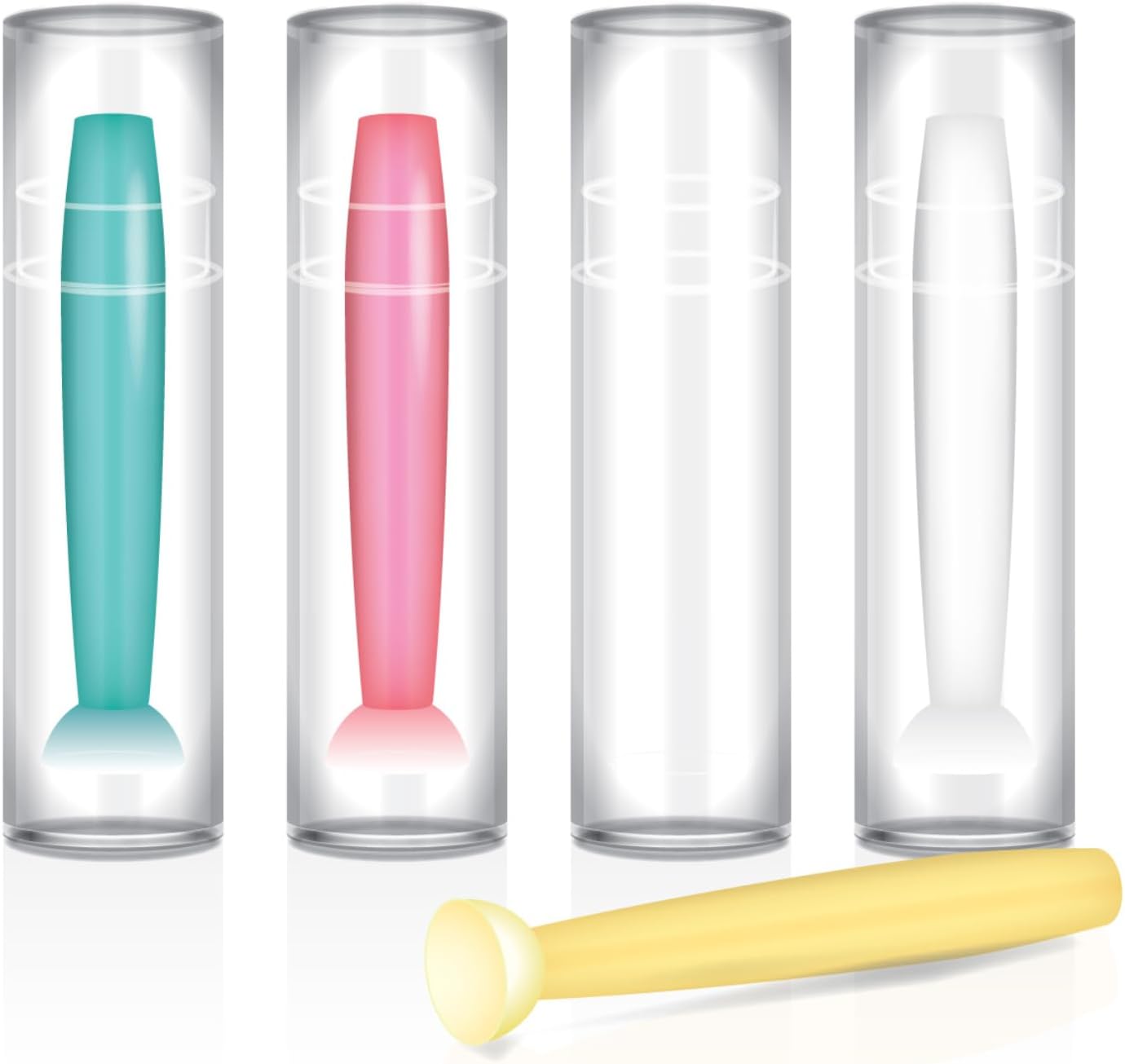
How to prevent discomfort and irritation while wearing contacts
When wearing monthly extended wear contacts, it is crucial to prevent discomfort and irritation by following a few key practices. Firstly, ensure that your hands are thoroughly washed before handling the contacts. Avoid using products like lotions or creams on your hands that could transfer to the lenses. Additionally, make sure to replace your contacts as recommended to prevent build-up and irritation. Lastly, if you experience any discomfort or redness, remove the contacts immediately and consult with your eye care professional.
Maintaining good hygiene to prevent eye infections
Maintaining good hygiene is essential to prevent eye infections when wearing monthly extended wear contacts. Always store your contacts in clean and properly disinfected cases. Avoid using tap water or saliva to clean your lenses, as this can introduce harmful bacteria. Regularly replace your contact lens solution and never reuse old solution. It is also recommended to attend regular eye exams to ensure your contacts are fitting properly and your eyes remain healthy.
Regular Check-ups and Replacement
Importance of regular eye exams when wearing monthly extended wear contacts
Regular eye exams are crucial when wearing monthly extended wear contacts as they help monitor the health of your eyes. With these contacts, your eyes are continuously exposed to the lenses for an extended period, increasing the risk of potential eye issues. Eye exams allow your eye care professional to assess the fit of your contacts, check for any signs of irritation or infection, and ensure that your prescription is up to date. These exams also provide an opportunity to discuss any discomfort or vision changes you may be experiencing while wearing your monthly extended wear contacts, allowing for timely adjustments or recommendations to improve your eye health.
When to replace your monthly extended wear contacts
Knowing when to replace your monthly extended wear contacts is essential for maintaining good eye health. While these contacts are designed for extended use, it’s important to follow the recommended replacement schedule provided by your eye care professional. Typically, monthly extended wear contacts should be replaced every 30 days to prevent the buildup of deposits, bacteria, and other irritants that can lead to eye infections or discomfort. Additionally, if you notice any tears, scratches, or changes in the shape of your contacts, it’s important to replace them immediately to avoid potential damage to your eyes. Regularly replacing your monthly extended wear contacts ensures optimal vision correction and reduces the risk of eye complications.
Additional Tips for Care and Maintenance of Monthly Extended Wear Contacts

Tips for avoiding dry eyes and keeping your eyes hydrated
When wearing monthly extended wear contacts, it is crucial to take steps to avoid dry eyes and keep your eyes properly hydrated. One tip is to ensure you are staying hydrated throughout the day by drinking plenty of water. Additionally, using lubricating eye drops approved for contact lens wear can help keep your eyes moist and comfortable. Avoiding environments with excessive heat or dry air can also prevent your eyes from becoming dry. Remember to blink regularly and take breaks when using digital devices for extended periods, as this can contribute to dry eyes. By following these tips, you can maintain comfortable and healthy eyes while wearing monthly extended wear contacts.
How to handle and care for your contacts while traveling or on-the-go
Handling and caring for your contacts while traveling or on-the-go requires some extra precautions to ensure they remain clean and safe for use. Always wash your hands thoroughly with soap and water before handling your contacts, especially when you are away from home. Carry a travel-sized bottle of contact lens solution to clean and store your contacts when needed. It is also a good idea to have a spare case and pair of contacts in case of emergencies. Avoid using tap water to clean your contacts and never store them in anything other than a proper contact lens case. By being prepared and following these steps, you can maintain your eye health and the quality of your monthly extended wear contacts while on the move.
