Why Washing Your Hands With Tap Water Can Still Irritate Contact Lens Wearers’ Eyes
With tap water often perceived as “clean,” you may not realize minerals, chlorine, soap residue and microscopic organisms like Acanthamoeba can cling to your hands and transfer to disposable lenses, causing blurred vision, irritation or even serious infection; you should use proper lens solution and dry hands thoroughly before handling lenses to remove residues and reduce risk.
Key Takeaways:
- “Clean” tap water often contains minerals, chlorine and organic residues that deposit on soft disposable lenses, changing wettability and causing blurred vision and surface irritation.
- Soaps, oils and invisible biofilms from hands or plumbing leave surfactants and microbes on lenses; these increase friction, provoke inflammation and can introduce pathogens such as Acanthamoeba even when water appears clear.
- Tap water’s pH and osmolarity differ from sterile lens solutions and can alter lens shape and comfort; disposables are intended for saline-based care, so rinsing with tap water raises irritation and infection risk.
What “clean” tap water can still contain
Even when microbiological tests are good, your tap water can carry residues that interact with disposable lenses: dissolved minerals that leave films, disinfectant chemicals and their byproducts that irritate, and trace metals or biofilm fragments that alter lens wettability. Municipal targets like free chlorine up to 4 mg/L and hardness measured as CaCO3 (soft <60 mg/L, very hard >180 mg/L) still permit deposits and chemical residues that compromise comfort and clarity.
Dissolved minerals and water hardness
Calcium, magnesium and bicarbonates in water bind to lens polymers, producing visible chalky deposits and reducing surface wettability; water hardness is commonly classified as soft <60 mg/L, moderately hard 61-120 mg/L, hard 121-180 mg/L, and very hard >180 mg/L as CaCO3. You’ll often notice faster tear-film breakup, increased lens drag, and blurred vision after contact with harder tap water, especially on daily disposables.
Disinfectant residues and byproducts
Municipal disinfectants (free chlorine, chloramines) and their byproducts (total trihalomethanes, haloacetic acids) can remain on your hands and transfer to lenses; typical regulatory guidance allows up to 4 mg/L chlorine and 80 µg/L total THMs. You may feel stinging, redness, or increased lens intolerance when these residues react with lens materials or tear proteins.
Chlorine oxidizes lens surfactants and can denature deposited proteins, while chloramines are more persistent and penetrate biofilms; both can reduce the effectiveness of cleaning solutions and change lens surface chemistry. Acanthamoeba survives low-level disinfectant residuals in biofilms, so even small transfers of tap water have outsized risk. In practice, rinsing or handling lenses with tap water exposes you to a mix of oxidants, volatile byproducts, and biofilm-associated pathogens that increase irritation and infection risk.
Residues from soaps, lotions and personal-care products
Surfactants, emulsifiers and residue films
Surfactants and emulsifiers in hand soaps and lotions often appear at around 1-5% in formulations and can leave ultra-thin films on your skin and lenses. They lower surface tension, so lenses lose wettability and attract more protein and lipid deposits. When you handle lenses minutes after washing, those residues transfer easily, causing blurred vision, sticky lenses, and increased deposit buildup that shortens comfortable wear time.
Fragrances, preservatives and transfer to lenses
Fragrance blends (commonly 0.5-3% of a product) and preservatives such as benzalkonium chloride (BAK), methylisothiazolinone or parabens can adhere to lens surfaces during handling. They’re volatile or lipophilic, so they move from your fingertips to soft hydrogel or silicone-hydrogel lenses and can trigger redness, burning, or tear-film instability even at trace levels.
Mechanistically, fragrant molecules are often hydrophobic and partition into the lens matrix, altering surface chemistry and reducing wettability; preservatives like BAK are cationic and readily adsorb to hydrogels, disrupting the tear film and damaging epithelial cells in vitro. Studies show BAK-containing residues can persist on lenses after handling and increase microbial adhesion, so when you touch lenses after using fragranced or preserved products you raise both irritation and contamination risk.
Microbial material and biofilm fragments
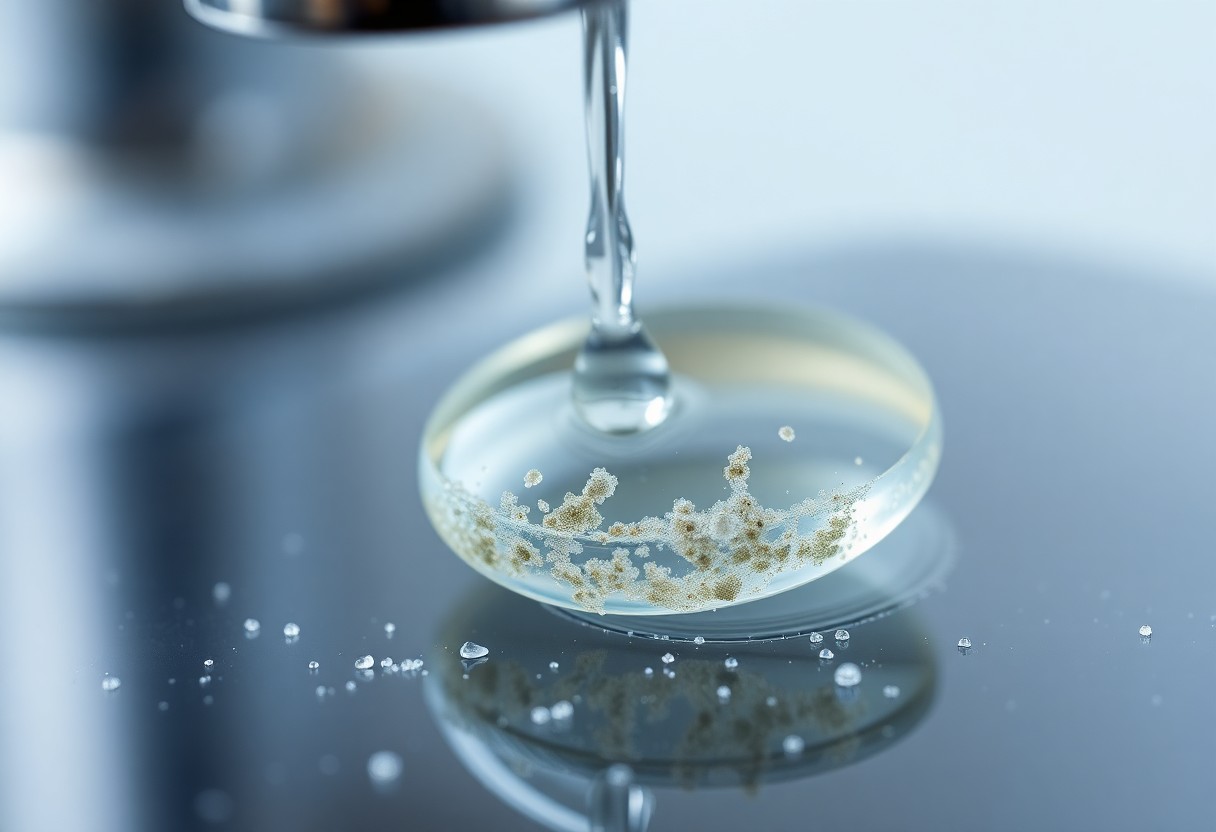
Even treated tap water carries microscopic microbial debris-cell wall fragments, lipopolysaccharides and tiny biofilm clumps-that readily adhere to soft lens polymers. When you handle lenses after washing, these residues transfer onto the surface; studies and water testing frequently find trace endotoxin and organic fragments at nanogram-to-microgram-per-liter levels and bacterial counts ranging from tens to thousands of cells per milliliter, enough to trigger irritation in sensitive eyes.
Nonpathogenic microbes and endotoxins
Nonpathogenic bacteria and their remains still release endotoxins (LPS) and peptidoglycan fragments that activate your ocular immune cells even without live infection. You can react to picogram-nanogram quantities of these molecules; they increase tearing, redness and discomfort within minutes of contact, and daily disposables can trap and hold these residues long enough to produce symptoms during wear.
Faucet and sink biofilms as residue sources
Faucet screens, aerators and sink drains harbor dense biofilms that periodically slough off micron-sized clumps and molecular fragments into the flow; when you rinse or dry your hands, those particles coat your skin and fingers, making it easy for you to transfer concentrated residues to lenses despite washing with “clean” tap water.
Inside an aerator or P-trap you’ll find higher microbial densities than in the bulk water-biofilm matrices concentrate cells, scale and organics in crevices so that a brief surge of water can release clumps and soluble endotoxins. You’ll notice this after periods of stagnation or infrequent use, when sloughing events spike; a single faucet run can mobilize enough material to measurably raise residual load on your hands and lens surfaces.
How residues affect disposable lenses and sensitive eyes
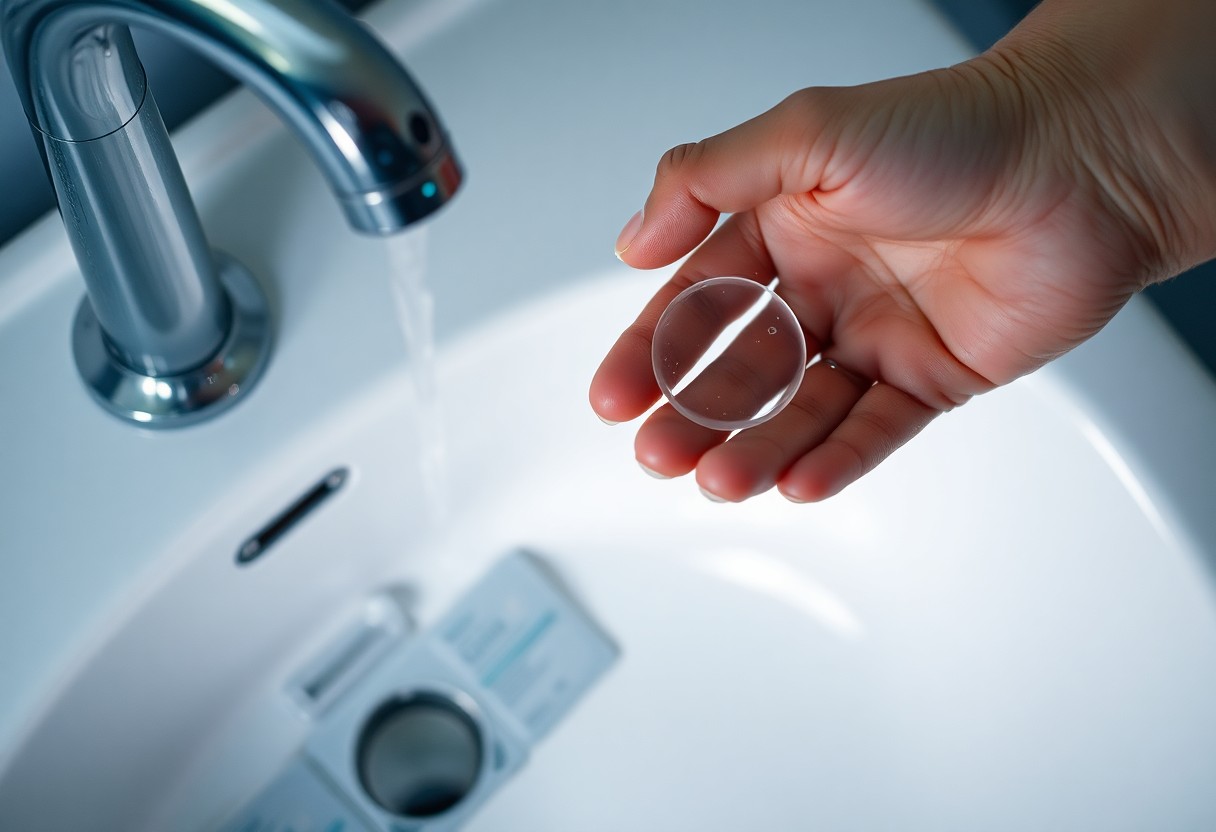
Tap water that looks “clean” still carries dissolved minerals (hardness 60-180 mg/L as CaCO3), trace chlorine (≈0.2-2.0 mg/L) and soap or organic films that cling to lens polymers. When you rinse or handle lenses with that water, these residues alter surface wettability, create microscopic irregularities and can trap allergens or microbes, raising the risk of micro‑abrasions and reduced lens performance.
Lens surface deposits, vision blur and comfort loss
Mineral salts, lipids and soap residues deposit quickly-often within 24-48 hours-on both hydrogel and silicone‑hydrogel lenses. If you notice speckled deposits or greasy patches, expect blurred vision and reduced comfort as the tear film beads or breaks over the uneven surface. Silicone‑hydrogels tend to accumulate more lipids, which amplifies deposit‑related irritation and shortens comfortable wear time.
Tear-film destabilization, inflammation and redness
Residues from tap water can alter your tear film chemistry-typical tear osmolarity is ~300 mOsm/kg-so added salts or surfactants promote faster evaporation and shorter break‑up time. You’ll experience increased blink rate, redness and a stinging sensation as the lipid and mucin layers are disrupted, provoking superficial inflammation even without obvious infection.
Mechanistically, surfactants strip the lipid layer while calcium and phosphate precipitates bind mucins, increasing the lens‑ocular surface friction coefficient; you’ll feel this as gritty discomfort and more frequent tearing. If you have dry‑eye history or wear lenses longer than 8 hours, these changes amplify inflammatory responses like conjunctival papillae and persistent redness. Addressing residues early prevents progressive discomfort and potential lens intolerance.
Higher-risk scenarios and lens types
| Daily disposables | Single-use design limits cumulative mineral and soap residue buildup but exposure to tap water during handling still deposits oils and salts. |
| Extended/overnight wear | Worn for days, these accumulate biofilm and mineral layers that reduce oxygen and raise infection risk, especially after 24-48 hours of continuous wear. |
| Silicone hydrogel | Higher oxygen but more lipophilic surface attracts skin oils and detergent residues that cling and cause discomfort. |
| High‑water hydrogel | Absorbs dissolved salts and chlorine, which can alter hydration and induce blurred vision or swelling within a day of repeated exposure. |
| Allergic / dry‑eye prone | Lower tolerance to small residues – even trace minerals, chlorine, or soap can trigger itching, redness, and reduced tear stability. |
- Tap water contact during insertion increases deposit risk.
- Rinsing lenses with water transfers dissolved ions onto lens surfaces.
- Overnight wear multiplies residue effects over time.
- Soft lenses absorb more solutes than rigid lenses.
- Allergic eyes react to small residue concentrations quickly.
Daily disposables versus longer-wear lenses
You reduce cumulative residue effects when you use daily disposables because you discard deposits each day, but if you touch lenses with wet hands or rinse them in tap water you still transfer minerals and soap that cling within minutes; in contrast, longer‑wear lenses let salts, lipids, and biofilm build up over 24-72 hours, increasing irritation and the chance of symptomatic inflammation.
Allergic or dry-eye prone patients and contact sensitivity
If you have allergic conjunctivitis or dry‑eye, small amounts of chlorine, hard‑water minerals, or detergent residues in tap water destabilize your tear film, shorten tear breakup time, and provoke itching or foreign‑body sensation; your lenses act like sponges, concentrating residues at the ocular surface and magnifying symptoms.
This amplifies inflammation mechanisms: residues raise osmolarity, deposits abrade the epithelium, and trapped biofilm increases local cytokines-so if you’re sensitive, even low levels of minerals, chlorine, or detergent traces from tap water can produce measurable drops in comfort and visual quality within hours, and they also elevate risks such as Acanthamoeba exposure when lenses contact contaminated water.
Practical steps to minimize risk when handling lenses
Handwashing, rinsing and using sterile saline
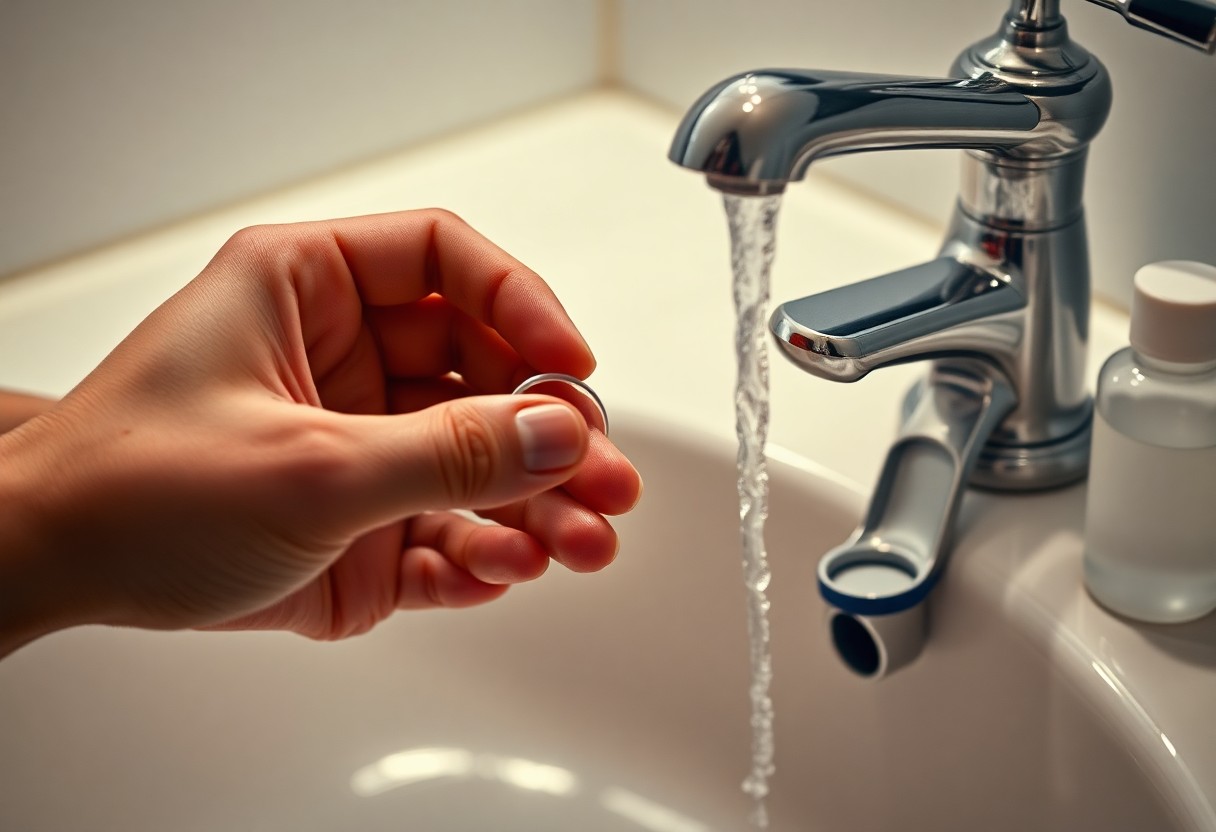
Wash your hands with soap and water for at least 20 seconds, dry with a lint-free or disposable towel, and never rinse lenses in tap water: even “clean” tap water leaves minerals, chlorine, biofilms and free‑living amoebae that cling to disposables. You should always handle lenses with dry hands and rinse or store them only in manufacturer‑recommended multipurpose solution or sterile saline; if your fingers touched the faucet, use a fresh towel to turn it off before touching lenses.
Drying methods, avoiding faucet contact and product choices
Pat your hands dry with a clean microfiber cloth or single‑use paper towel-air‑drying or using a terry towel transfers lint and evaporative salts to lenses. Keep lenses and fingers clear of the faucet and sink surface since shared sinks harbor biofilms. Use solutions approved for soft disposables; a 3% hydrogen peroxide system offers stronger disinfection for sensitive eyes when you follow the full neutralization and case instructions.
Microfiber sheds far less lint than terry cloth, so use a new disposable paper towel each session and never reuse a damp household towel, which can house bacteria and biofilms for weeks. If you choose a 3% hydrogen peroxide system, allow the full ~6‑hour neutralization cycle and change the case per manufacturer guidance; studies show proper peroxide systems lower microbial load more effectively than some multipurpose solutions. Replace your case every 1-3 months.
Conclusion
Ultimately, even “clean” tap water can leave mineral, chlorine and organic residues or microbes on disposable lenses that change surface chemistry, attract deposits, disrupt your tear film and irritate sensitive eyes; rinsing or handling lenses with tap water increases risk – see The Danger of Using Tap Water with Contact Lenses for evidence and guidance.
FAQ
Q: Why can tap water that looks clean still irritate my eyes when I handle contact lenses?
A: Municipal tap water is not sterile and contains dissolved minerals (calcium, magnesium), trace metals, chlorine or chloramines, and low levels of microorganisms. Those substances can leave invisible films or alter the lens surface wettability and osmotic balance, causing blurred vision, irritation, increased lens deposits and higher friction on the eye. Microbes, including amoebae, can adhere to lenses or storage cases and cause serious infections even when water appears clear.
Q: How do soap, lotion or other residues on my hands interact with lenses to cause discomfort?
A: Soaps, cleansers and moisturizers leave surfactants, oils and fragrances that transfer to a lens and form a thin film. That film attracts proteins, lipids and environmental debris, changes the lens surface tension and decreases comfort and clarity. Surfactant residues can also destabilize the tear film, cause burning or stinging, and encourage faster build-up of deposits that lead to itchiness and inflammation.
Q: Are disposable lenses more or less affected, and what should I do if my eyes become irritated after touching lenses with wet hands?
A: Daily disposables generally reduce long-term deposit buildup because they’re discarded after one use, but they can still pick up waterborne residues or hand contaminants at the moment of handling and cause immediate irritation. If irritation occurs, discard a daily disposable or remove and properly clean and disinfect reusable lenses using recommended contact solution (never rinse with tap water); dry your hands with a lint-free towel before handling lenses and avoid touching lenses with wet hands in the future. Seek prompt eye-care if pain, light sensitivity, redness or reduced vision persist.
