Tap Water, Contact Lenses, and Eye Health – What You Should Know
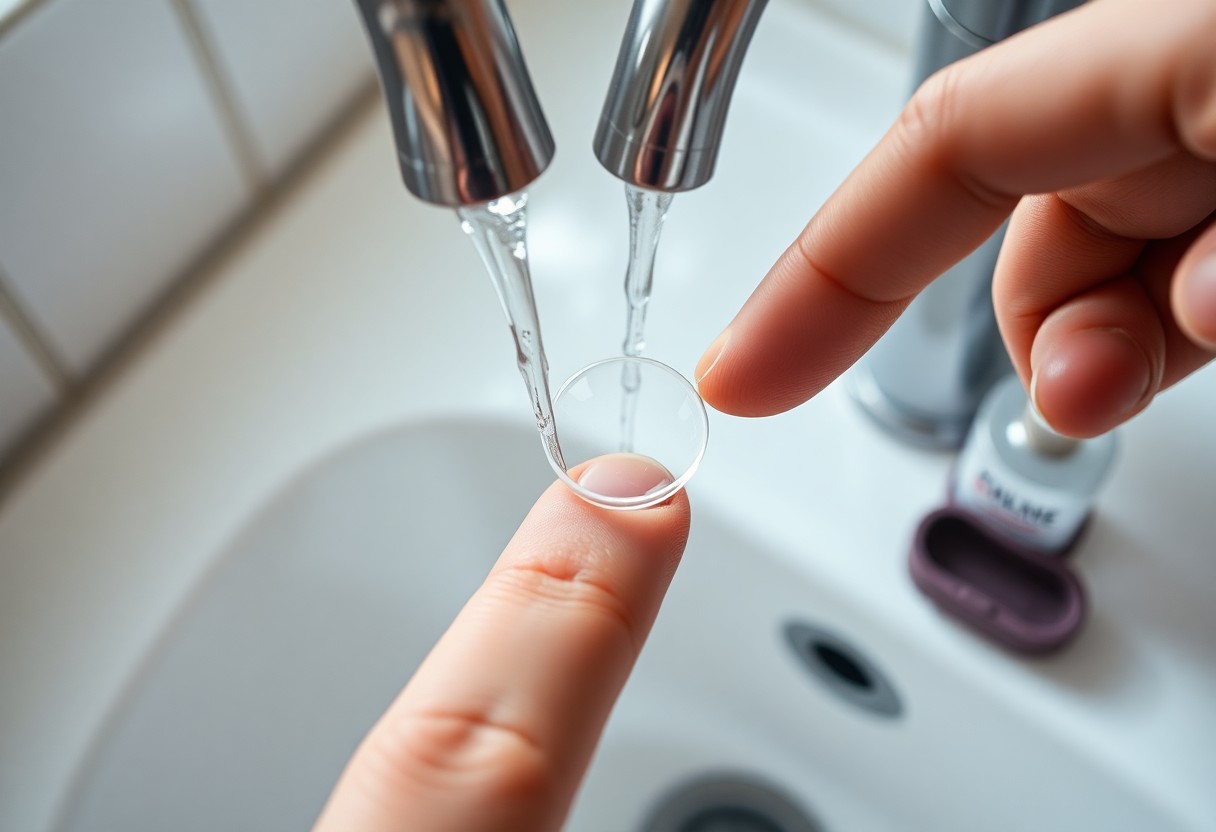
With tap water containing microorganisms such as Acanthamoeba, you should avoid exposing your lenses to water: never rinse or store lenses in tap water, and avoid showering or swimming while wearing them. Acanthamoeba can cause sight‑threatening infections, so if you experience pain, redness, or vision changes seek care promptly. You lower risk by using sterile contact lens solutions, following manufacturer and clinician guidance, and keeping up with eye exams.
Key Takeaways:
- Tap water can contain microorganisms (including Acanthamoeba) that are not reliably eliminated by contact‑lens solutions; do not rinse lenses or lens cases with tap water and avoid showering or swimming while wearing lenses unless using tight-fitting goggles or daily disposables.
- Follow evidence‑based lens hygiene: wash and dry hands before handling lenses, use sterile contact‑lens solutions as prescribed (follow rub‑and‑rinse instructions if indicated), replace solution daily and replace the storage case regularly; avoid “topping off” old solution.
- If you develop eye pain, redness, increased tearing or discharge, light sensitivity, or decreased vision, stop wearing lenses and seek prompt evaluation from an eye‑care professional to allow early diagnosis and treatment.
Why tap water and contact lenses are risky
When your lenses meet tap water you introduce a complex mix of microbes and biofilm-protected organisms directly to the eye; studies show contact with water, showers, or pools while wearing lenses substantially raises your chance of microbial keratitis. You should note that bacterial agents like Pseudomonas and free-living protozoa such as Acanthamoeba are repeatedly implicated in lens-related outbreaks, and contaminated lens cases are frequently identified as the source.
Tap water composition and microbial contamination
Tap water contains dissolved minerals, residual disinfectants and microscopic biofilms lining pipes that shelter microbes; municipal chlorination reduces counts but does not reliably eliminate organisms within biofilms. You can find bacteria, fungi and protozoa in both treated and well water-multiple studies report detection rates for Acanthamoeba in household taps varying regionally from about 20-70%, so even “clear” tap water can harbor pathogens able to contaminate lens cases and solutions.
Risks to the cornea: infection, inflammation, and vision loss
Microbes transferred from water-soaked lenses or cases can adhere to your corneal surface, trigger infection and cause rapidly progressive ulceration; Pseudomonas can produce fulminant corneal destruction within 24-48 hours, while Acanthamoeba keratitis often causes intense pain, prolonged treatment and scarring that may require corneal transplant, all risking permanent vision loss if treatment is delayed.
Mechanistically, biofilms on lenses and cases protect microbes from disinfection, and factors like overnight wear or extended wear increase corneal hypoxia and susceptibility-studies report about a 5-8× higher risk of microbial keratitis with overnight use. You also amplify risk by “topping off” solution or failing to replace cases; clinical series frequently find contaminated cases in affected patients, underscoring how small hygiene lapses translate into serious corneal disease.
Common pathogens and how they harm the eye
Contact‑related eye infections arise most often from Acanthamoeba, gram‑negative bacteria like Pseudomonas, gram‑positive cocci, and filamentous or yeast fungi. You should note that Pseudomonas can produce corneal ulcers that progress within 24-48 hours, while Acanthamoeba often causes protracted, intensely painful stromal disease. Fungal keratitis tends to be more indolent but more treatment‑resistant, and delays in diagnosis or therapy increase the chance of scarring or surgical intervention.
Acanthamoeba: presentation and severity
You typically see severe, disproportionate ocular pain, photophobia, and a ring‑shaped stromal infiltrate or perineural infiltrates; early signs mimic herpetic keratitis and are often missed. Risk rises with swimming, showering, or rinsing lenses in tap water. Treatment requires prolonged topical biguanides (eg, PHMB or chlorhexidine) for months and, in advanced cases, can lead to permanent vision loss or the need for corneal transplantation.
Bacterial and fungal agents: typical organisms and outcomes
You will most often encounter Pseudomonas aeruginosa in contact‑lens-associated bacterial keratitis, and Staphylococcus or Streptococcus in non‑lens cases; Pseudomonas can cause rapid corneal destruction. Filamentous fungi (Fusarium, Aspergillus) and yeasts (Candida) produce deeper, often slower‑evolving ulcers that are harder to eradicate and more likely to require prolonged antifungal therapy or surgery.
Practical implications: you should obtain corneal scraping and cultures before starting therapy when possible, because culture‑guided treatment improves outcomes. Start intensive topical therapy (eg, hourly drops initially); many bacterial cases respond to topical fluoroquinolones, while filamentous fungi are best treated with topical natamycin 5% and yeasts often with topical azoles. Severe or non‑responsive ulcers may need therapeutic keratoplasty and systemic agents.
Evidence and epidemiology
Surveillance and case-series show water-related contact-lens infections are uncommon but often severe; population studies estimate Acanthamoeba keratitis occurs in the low single digits per million contact‑lens wearers yearly, while bacterial keratitis is more frequent and linked to water exposure. You should note outbreak investigations repeatedly implicate tap water and poor lens care. For a concise clinical summary see The Truth About Contact Lenses and Water Exposure. This evidence frames practical risk reduction.
- Contact lenses
- Acanthamoeba
- Water exposure
- Keratitis
This list highlights the main terms to track in studies and guidance.
Case reports, outbreaks, and population data
Numerous case reports and outbreak investigations link rinsing or storing lenses in tap water, showering or swimming with lenses, and using homemade solutions to clusters of severe keratitis; several series describe delayed diagnosis, prolonged antimicrobial therapy, and cases progressing to corneal transplant. You should be aware that outbreak patterns typically involve multiple patients with similar water‑related exposures, underscoring behavioral drivers rather than isolated device failure.
Key risk factors that increase susceptibility
Major risk factors include sleeping in lenses, swimming or showering with lenses, using tap water on lenses or cases, and poor case hygiene; soft and extended‑wear lenses also carry higher infection rates. You will see these repeatedly in studies and clinical reports as drivers of both bacterial and Acanthamoeba infections. This informs where to focus preventive changes.
- Sleeping in lenses
- Swimming or showering
- Tap water exposure
- Poor case hygiene
This grouping helps you prioritize practical steps to lower your personal risk.
Delving deeper, case-control studies show behavior-modifiable risks produce the largest effect sizes: overnight wear can increase bacterial keratitis risk by several‑fold, while lens contact with water-especially during swimming or showering-associates strongly with Acanthamoeba cases; outbreaks often trace to common water exposures or homemade solutions. You should interpret these findings as actionable: changing a few habits markedly reduces your absolute risk. This evidence supports targeted counseling and simple behavioral interventions.
- Overnight wear
- Lens exposure to water
- Homemade solutions
- Extended‑wear lenses
This final list reinforces the highest‑impact behaviors to avoid.
Practical lens‑care best practices
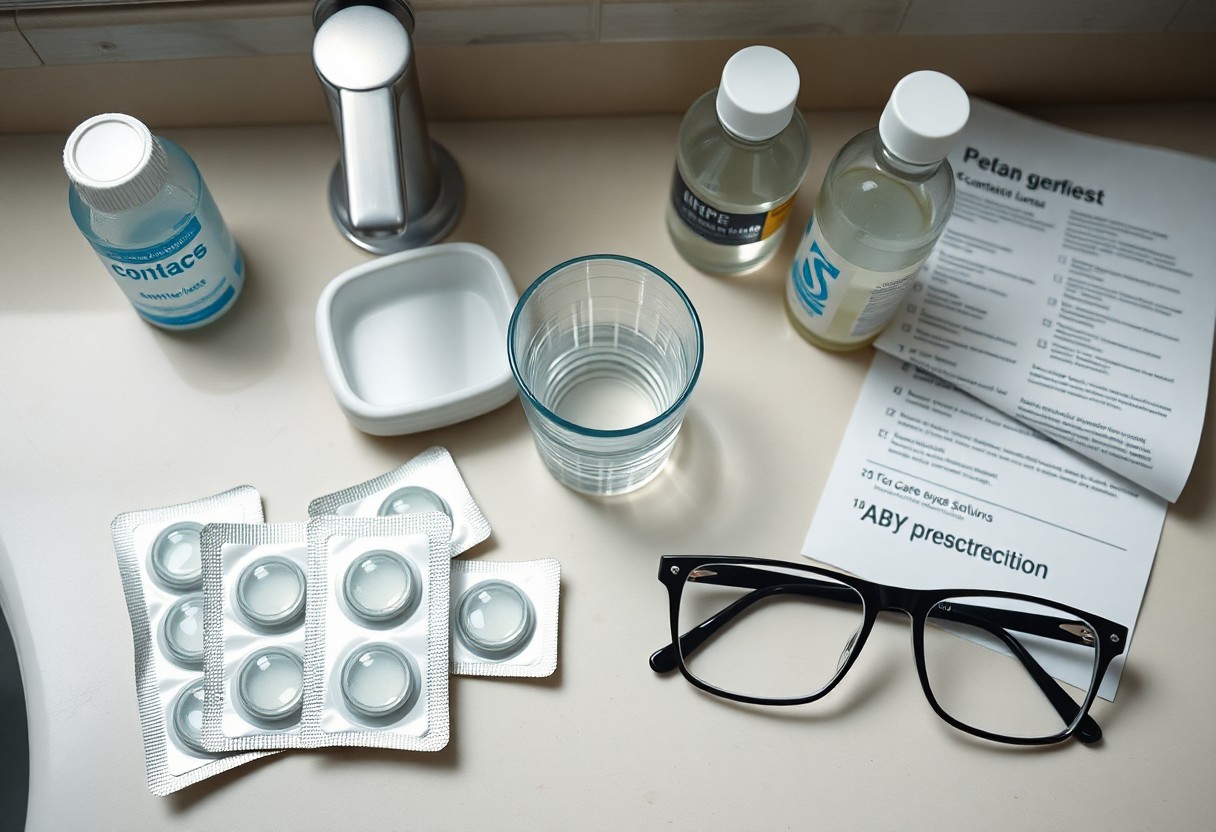
When you handle lenses, follow simple habits that cut risk: never expose lenses or cases to tap water and opt for appropriate solutions; see Can You Put Contacts in Water? for specifics. You should choose daily disposables when possible, replace reusable lenses on schedule, and treat storage cases as single‑use items every few months to minimize biofilm and microbial growth that raise infection risk.
Safe cleaning, disinfection, storage, and replacement schedules
You must rub and rinse lenses with the recommended multipurpose solution before soaking, and adhere to labeled soak times (typically 4-6 hours or overnight). Use a 3% hydrogen peroxide system with its neutralizer when deeper disinfection is needed. Replace daily lenses each day, biweekly at 14 days, monthly at 30 days, and change your storage case at least every 3 months; do not “top off” solution between uses.
Recommended products and what to avoid (including tap water)
Choose FDA‑approved multipurpose solutions (look for polyquaternium or PHMB formulations) or neutralized 3% hydrogen peroxide systems like Clear Care for higher disinfection. Use sterile saline only for final rinsing, not for disinfection. Avoid homemade saline, bottled spring water, and all contact with tap water-Acanthamoeba and Pseudomonas thrive in water and have been linked to severe keratitis.
In practice, you should discard solutions after each use, store cases upright to air dry, and avoid swimming or showering in lenses. If you suspect solution contamination or see cloudy solution or debris, stop using the product and consult your eye care provider; prompt evaluation reduces the chance of permanent damage.
Special situations and precautions
Swimming, showering, and water sports
Swimming with contacts increases your risk of microbial keratitis because lenses trap bacteria and amoebae; never swim or shower with reusable lenses unless you use watertight goggles. If you routinely swim, use daily disposables and discard them after water exposure. After accidental contact with water, remove lenses immediately, disinfect with an FDA‑approved solution for the recommended soaking time (typically 4-6 hours), and seek care if you develop redness, pain, or blurred vision within 24-48 hours.
Travel and limited‑water scenarios
When supplies or sterile water are limited, switch to glasses or daily disposables; do not use tap water, saliva, or homemade saline. Pack travel‑sized disinfecting solution (≤100 mL) in carry‑on and several single‑use sterile vials for short trips. If you must remove lenses without disinfectant, keep them sealed in the case and access proper solution within 24 hours-or discard them. Seek an eye‑care professional promptly for pain, light sensitivity, or vision changes.
For practical packing, bring at least one sealed bottle plus 4-7 single‑use vials or a week’s supply of daily disposables; you’ll find vials bypass carry‑on liquid limits and reduce contamination. Replace your case every 1-3 months and never “top off” solution-always discard and refill with fresh disinfectant. If sterile solution isn’t available, wear your glasses until you can obtain proper supplies; this lowers your infection risk compared with improvised cleaning methods.
When to seek prompt medical attention
If you have increasing pain, light sensitivity, worsening redness, a white spot on the cornea, or any sudden drop in vision after wearing contacts or exposure to tap water, seek care immediately; many contact‑related infections can progress within 24-48 hours. Stop using lenses, avoid topical drops unless prescribed, and get evaluated by an eye care professional to reduce the risk of permanent damage.
Warning signs and symptoms requiring urgent evaluation
Seek urgent evaluation for severe eye pain, new or rapidly worsening vision loss, a visible corneal opacity or ulcer (white spot), intense photophobia, purulent discharge, or fever accompanying eye symptoms. Also present urgently if symptoms begin after freshwater or tap‑water contact while you wore lenses, because organisms like Pseudomonas, fungi, and Acanthamoeba can cause aggressive infections.
What to expect at the eye care visit and initial treatments
The clinician will check your visual acuity, perform a slit‑lamp exam with fluorescein staining, and often take corneal scrapings for culture; empiric therapy usually starts immediately with topical broad‑spectrum antibiotics (e.g., moxifloxacin) and may escalate to fortified antibiotics or antifungals if needed. You’ll be advised to stop contacts, expect close follow‑up within 24-48 hours, and be reassured that early treatment commonly prevents permanent loss.
Specifically, cultures can take 24-72 hours, so initial drops are empirical: topical fluoroquinolones are common outpatient choices, while severe ulcers may receive fortified vancomycin plus tobramycin or hospitalization for hourly dosing. Suspected Acanthamoeba receives topical biguanides (PHMB) or chlorhexidine; fungal keratitis often uses natamycin 5% or voriconazole. Pain is managed with cycloplegics and oral analgesics; if you show corneal thinning or perforation, urgent surgical options (tissue glue, patch graft, or penetrating keratoplasty) may be discussed.
To wrap up
Hence you should avoid rinsing or storing contact lenses in tap water, use prescribed sterile cleaning and storage solutions, follow your eye-care professional’s instructions for wear and replacement, and seek prompt evaluation if you experience persistent redness, pain, or vision changes to reduce infection risk such as Acanthamoeba keratitis.
FAQ
Q: Can I rinse or store my contact lenses with tap water?
A: Tap water is not sterile and can contain microorganisms (bacteria, free-living amoebae such as Acanthamoeba, and other pathogens) that adhere to lenses and lens cases. Using tap water to rinse, rewet, or store lenses increases the risk of eye infections, including sight‑threatening keratitis. Use sterile, unopened contact lens solution recommended by your eye care professional for cleaning and storage; hydrogen peroxide systems are effective when used according to instructions. If soft lenses are exposed to tap water, discard them and replace with a fresh pair; follow your practitioner’s advice for rigid gas permeable lenses and for any lens that has been contaminated.
Q: Is it safe to swim or shower while wearing contact lenses?
A: Water exposure in pools, lakes, oceans, and showers raises the chance that microorganisms or chemicals will adhere to lenses and contact the cornea. Best practice is to remove lenses before swimming, showering, bathing, or using a hot tub. If you must be in water while wearing lenses, wear watertight goggles and use daily disposable lenses that you discard immediately afterward. After any water exposure, remove lenses, clean or discard them per lens type and solution instructions, and monitor for redness, pain, or vision changes.
Q: How should I care for my lens case and what symptoms require prompt eye care?
A: Rinse your contact lens case only with fresh contact lens solution (not tap water), leave it open to air dry face down, and replace the case at least every three months. Do not “top off” solution; discard old solution and add fresh solution each time. If you experience persistent redness, eye pain, decreased or blurred vision, increased light sensitivity, or unusual discharge, stop wearing lenses and seek prompt evaluation from an eye care professional-early assessment and treatment reduce the risk of complications.
