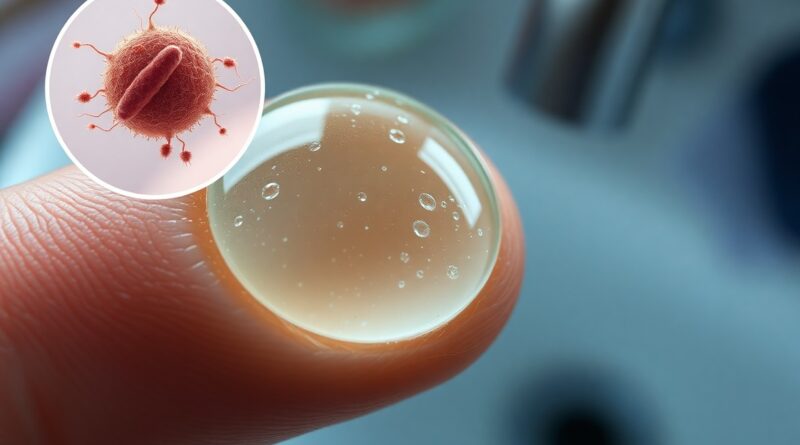
The Invisible Contaminants That Can End Up on Your Contact Lenses
Over time, you can transfer bacteria, minerals and oily residues from your hands and surfaces onto your lenses, creating an increased risk of infection, inflammation and impaired vision; consistent cleaning and proper storage are effective at reducing that danger. Visit The Environmental Impact of Contact Lenses – lasik for disposal and environmental context, and inspect your lenses regularly to protect your eyes.
Key Takeaways:
- Bacteria transferred from hands and contaminated surfaces can colonize lenses and cause eye infections; wash hands thoroughly before handling lenses and follow lens replacement and solution guidelines.
- Mineral and protein deposits from tap water, sweat, and tears build up on lenses, reducing clarity and comfort and increasing inflammation risk; use proper cleaning solutions and avoid water contact.
- Oils, lotions, and makeup residues from skin and bedding cling to lenses, attract microbes, and decrease oxygen flow to the eye; remove lenses before applying cosmetics and clean cases regularly.
Common invisible contaminants
Handling, storage and everyday environments deposit a mix of microbes, oils and mineral scale onto lenses faster than you might expect. Studies link behaviors like overnight wear to an up-to-8× higher infection risk, and routine contact with tap water or dirty surfaces seeds lenses with organisms and residues that build up over days to weeks. You end up with a layered film that reduces comfort and increases the chance of microbial adhesion and inflammation.
Microbial agents: bacteria, fungi, Acanthamoeba
Pseudomonas aeruginosa and Staphylococcus species are common culprits you can transfer from hands or cases, with Pseudomonas capable of causing rapidly progressive, sight‑threatening keratitis within 48-72 hours. Fungal agents (e.g., Fusarium) have caused solution‑linked outbreaks, while Acanthamoeba-often introduced via tap or shower water-causes slow, difficult‑to‑treat infections that can require months of therapy. Poor case hygiene and water exposure markedly raise risk.
Non-microbial residues: lipids, proteins, cosmetics, minerals
Tear‑film proteins and meibomian lipids accumulate on lenses, while cosmetics (mascara, foundation) and minerals from hard water leave particulate or crystalline deposits; together these residues lower wettability and oxygen transfer, blur vision and increase microbial adhesion. You’ll often notice reduced comfort within days as deposits alter lens surface chemistry and promote biofilm formation on soft and rigid lenses alike.
Proteins rapidly denature and bind to lens polymers-coagulated deposits form within 24-48 hours-while lipids create hydrophobic patches that repel tears. Cosmetics introduce particulate matter that physically abrades surfaces and traps microbes, and calcium/magnesium precipitates produce visible white spots on older lenses and cases. Enzymatic cleaners target protein buildup more effectively than some multipurpose solutions, and hard‑water exposure both accelerates mineral scaling and raises the likelihood of environmental protozoa adherence.
How contaminants transfer to contacts
Contaminants hitch a ride onto your lenses through multiple, overlapping routes: direct contact with your fingers and eyelids, transfer from the tear film, and exposure to lens cases, solutions, or water. Studies find 40-80% of used lens cases harbor bacteria or fungi, and microscopic proteins and lipids from your tears can bind minerals and residues to lenses within hours, creating a surface that traps microbes and increases infection risk.
From hands, eyelids, and tear film
Your fingertips and eyelids carry skin flora like Staphylococcus, cosmetic residues, and environmental dirt that transfer when you handle lenses; proteins and lipids in your tear film begin depositing within hours, and those deposits attract minerals such as calcium and magnesium, forming sticky spots that trap bacteria and reduce solution effectiveness.
From cases, solutions, and water exposure
Lens cases often develop biofilm, a slimy matrix that shelters bacteria and fungi from disinfectants, while improper use of multipurpose solutions or topping off old solution allows microbes to persist; exposure to tap water or homemade saline introduces free-living organisms like Acanthamoeba, which have been implicated in severe keratitis outbreaks.
Biofilms in cases can make microbes up to far more tolerant of disinfection, so mechanical actions-rubbing, rinsing, and air-drying-are key because studies show such practices can reduce microbial load by over 90%; additionally, even a single rinse with tap water can seed a case with protozoa or chlorine-resistant bacteria, dramatically raising the chance of difficult-to-treat infections.

Risks to eye health
When bacteria, mineral deposits and surface residues transfer from your fingers or a contaminated case to your lenses, they can cause everything from mild irritation to sight-threatening disease; microbial keratitis affects roughly 1-5 per 10,000 daily wearers per year and can lead to scarring or permanent vision loss if untreated. You may not notice symptoms until infection is advanced, and even tiny mineral particles or lotion residues increase friction and entry points for pathogens.
Infections: bacterial keratitis, Acanthamoeba, fungal
Bacteria such as Pseudomonas can produce fulminant corneal ulcers that progress within 24-48 hours, while Acanthamoeba – often introduced via tap water in lens cases – causes painful, prolonged infections requiring months-long treatment; fungal keratitis, less common, follows contamination with organic matter or poor case hygiene. You should note that contact-case cultures frequently show mixed bacterial loads, a common source for these infections.
Inflammation, allergic reactions, and corneal damage
Protein and lipid build-up from your tear film, plus residues like sunscreen, cosmetics or hard-water minerals, provoke inflammation, giant papillary conjunctivitis (GPC), and lens intolerance; you may experience itching, excess mucus and reduced wearing time. Mechanical abrasion from particulate deposits or a gritty lens surface can strip epithelial cells, increasing the risk of secondary infection and scarring.
In real cases, tiny crystalline mineral deposits or dried lotion particles have created focal abrasions that became seeded with bacteria within days, turning minor irritation into corneal ulceration; sunscreen and oily cosmetics are frequent culprits because they alter lens surface wettability and trap microbes, so even invisible residues significantly raise your risk of persistent inflammation and progressive corneal damage.

Recognizing contamination and symptoms
You pick up bacteria like Pseudomonas aeruginosa and Staphylococcus aureus, minerals such as calcium deposits, and residues from lotions, makeup and surfaces that cling to lenses and lower oxygen transmission. Studies even flag chemical contaminants on lenses – see the Study identifies cancer-causing chemicals in popular contact lenses. If your lenses feel gritty, filmy, or dry, or if you’ve exposed them to tap water, the risk of infection or reduced lens performance rises; Acanthamoeba from water is especially dangerous.
Visual changes, pain, discharge, redness
You may notice sudden blurred vision, a drop in acuity, sharp or aching pain, or a gritty sensation. Discharge that’s thick, yellow or green, intense localized redness, or increased light sensitivity are red flags. Symptoms that escalate over hours – especially worsening vision or severe pain – point to infectious keratitis or chemical irritation from residues and deposits and warrant prompt attention.
When to remove lenses and seek professional care
You should remove lenses immediately if you experience sharp pain, significant vision loss, persistent redness, or colored discharge. Wash your hands, place lenses in a clean case with fresh disinfecting solution (do not reuse solution), and contact your eye-care provider within 24 hours for moderate symptoms. Seek emergency care right away for intense pain, sudden vision loss, or a visible white spot on the cornea.
If lenses were exposed to tap water, swimming, or showering, discard them and bring the case and lenses to your appointment for culture if advised. Do not self-treat with over-the-counter steroid drops or homemade remedies; those can worsen infections. If symptoms progress after removal or you develop fever or spreading redness, go to an eye emergency clinic immediately.

Prevention and safe practices
To limit bacteria, minerals, and residue transfer from your hands and surfaces, wash your hands for at least 20 seconds with soap and water, dry them with a lint-free towel, use fresh disinfecting solution each time, and follow the prescribed lens replacement schedule (daily, biweekly, monthly). Also avoid touching lenses after applying makeup or lotion to reduce oils and particulate buildup on your lenses.
Proper handling, cleaning, and wear schedules
When you handle lenses, wash and dry your hands first, then use the rub-and-rinse method with a multipurpose or peroxide system-studies show this can cut surface microbes by over 90%. Replace daily disposables every day, swap biweekly lenses at two weeks, and monthly lenses at 30 days. If your eye care professional hasn’t approved extended wear, do not sleep in lenses.
Case hygiene, solution choice, and avoiding water
Change your lens case every 3 months, empty and rinse it with fresh solution (never rinse with tap water), and store it air-drying with the cap off. Choose solutions labeled for disinfection and avoid saline-only products for cleaning; consider peroxide systems if you get recurring irritation. Steer clear of showering, swimming, or using hot tubs with lenses-exposure raises your risk of Acanthamoeba and other severe infections.
Do not “top off” solution; always discard used disinfectant and refill with fresh solution to maintain antimicrobial activity. After cleaning, air-dry the case upside down on a clean surface and rub case walls with solution rather than water. If you use a 3% hydrogen peroxide system, allow the full neutralization cycle (typically about 6 hours) in its special case before inserting lenses to avoid chemical injury.
To wrap up
Following this, you should be aware that bacteria, mineral deposits and residues from your hands and everyday surfaces can transfer onto your contact lenses, leading to irritation, blurred vision and increased infection risk. You can minimize exposure by washing and drying your hands before handling lenses, using recommended cleaning solutions, replacing lenses and cases on schedule, and avoiding contact with water or unclean surfaces to protect your eye health.
FAQ
Q: What invisible microbes commonly end up on contact lenses and what risks do they pose?
A: Bacteria such as Pseudomonas aeruginosa and Staphylococcus aureus, fungal spores, and waterborne organisms like Acanthamoeba can transfer to lenses from hands, storage cases, or contaminated water. These microbes can cause irritation, red or painful eyes, conjunctivitis, corneal infections (keratitis) and, in severe cases, corneal ulcers or vision loss. Early signs include increased redness, pain, light sensitivity, excess tearing or sudden vision changes; seek eye care promptly if these occur.
Q: How do minerals, proteins and lipids build up on lenses and what problems does that cause?
A: Tear proteins and lipids naturally deposit on lens surfaces during wear; minerals such as calcium and magnesium from hard water or saline residues can precipitate and form visible or microscopic deposits. These buildups reduce lens wettability and oxygen transmission, cause blurred vision, discomfort, gritty feeling, increased lens movement on the eye, and can encourage microbial adhesion and biofilm formation. Regular cleaning with appropriate solutions, periodic enzymatic or protein cleaners when recommended, and replacing lenses per schedule help prevent deposits.
Q: Which everyday residues from hands and surfaces contaminate lenses and how can exposure be minimized?
A: Oils from skin, lotions, sunscreen, makeup, deodorants, household cleaners, dust, pollen and residues from hand sanitizers or soaps can transfer when touching lenses or cases. To reduce contamination: wash hands with soap and water and dry on a clean, lint-free towel before handling lenses; avoid applying lotions, cosmetics or sprays immediately before insertion; never use tap water to rinse lenses or cases; use only solutions approved for your lens type; replace the lens case regularly and follow the cleaning/storage regimen recommended by your eye care professional; remove lenses and seek care if irritation or persistent debris occurs.
