
The Hidden Risk of Hard Water for Contact Lens Users
Risk from hard water can silently harm your eyes: minerals increase eye dryness and discomfort, promote lens deposits that blur vision and elevate infection risk-even with daily disposables-and reduce lens comfort; you lower this danger by using sterile solutions or distilled water for rinsing, regular cleanings, and advice from your eye care provider.
Key Takeaways:
- Hard-water minerals (calcium, magnesium) adhere to lens surfaces and cases, forming deposits that reduce comfort and clarity and can increase irritation.
- Mineral-rich water destabilizes the tear film, raising evaporation and eye dryness-this can affect comfort even with daily disposable lenses.
- Reduce risk by avoiding tap-water rinsing, using sterile contact solutions or preservative-free saline, choosing deposit-resistant lenses, and consulting your eye-care professional for persistent symptoms.
What is hard water?
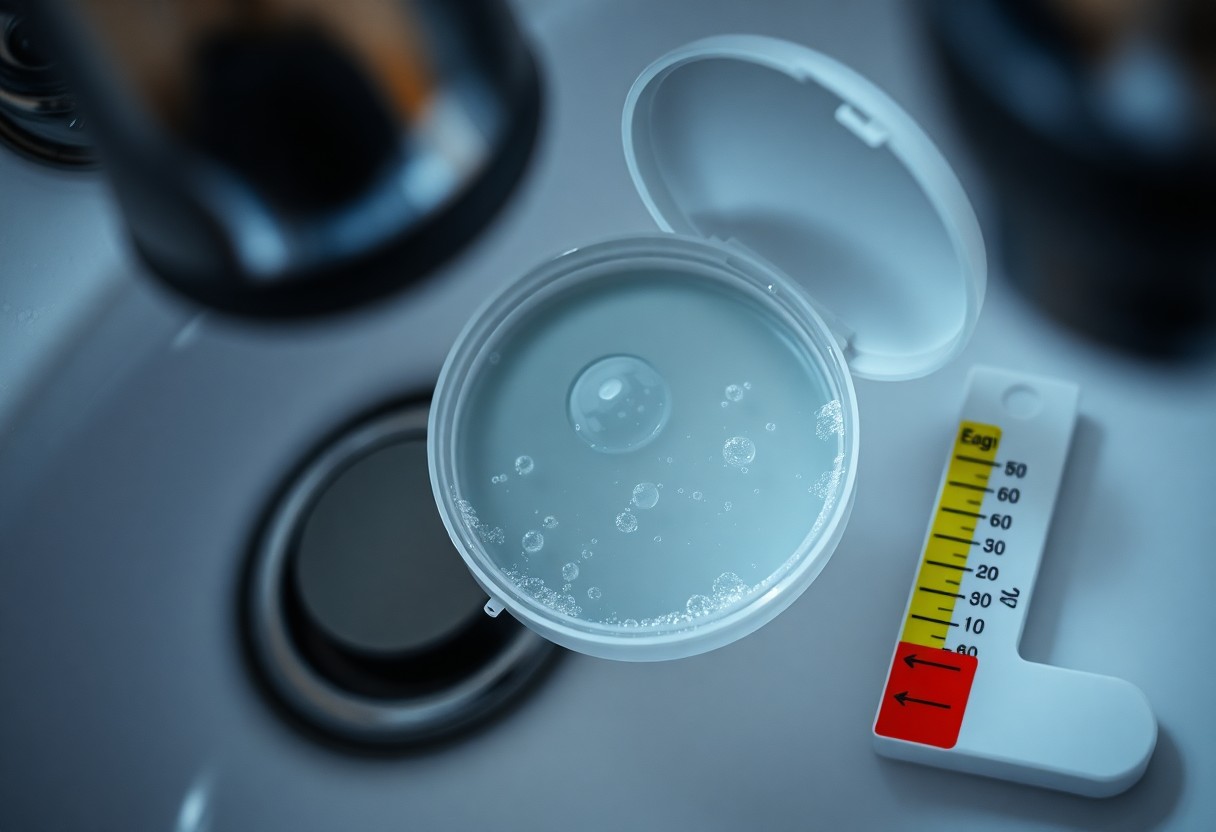
Hard water contains elevated levels of dissolved minerals-primarily calcium and magnesium-measured as mg/L CaCO3; values above 120 mg/L are typically classed as hard, and >180 mg/L as very hard. When you shower or rinse lenses, those minerals can leave invisible residues that increase dryness, discomfort, and lens deposits, even on daily disposables; see The Hidden Dangers of Showering with Contact Lenses for practical examples.
Mineral composition (calcium, magnesium, others)
Calcium and magnesium dominate hard water and bind to tear proteins and lens surfaces, forming mineral-protein deposits that blur vision and exacerbate dryness; hardness is commonly reported as 61-120 mg/L (moderate), 121-180 mg/L (hard). Other ions-iron, manganese, bicarbonates, and sulfates-alter pH and film stability, so you can experience more frequent friction, lens fogging, and discomfort even if you replace lenses daily.
Local prevalence and variability
Water hardness varies widely: municipal reports show ranges from under 60 mg/L in some coastal areas to >300 mg/L in well-fed aquifers; cities such as Phoenix, Las Vegas and many parts of California often report consistently high hardness, increasing the chance you’ll experience lens deposits and dry-eye symptoms.
Within a single service area, hardness can shift by season, source changes, or when utilities blend surface and groundwater-your county Consumer Confidence Report (CCR) will list average mg/L CaCO3. If you rely on well water, levels commonly exceed 200-300 mg/L, and clinics in hard-water regions routinely note higher rates of contact lens complaints. You can test at home with simple kits or request a municipal hardness map to judge your personal risk and decide whether additional rinsing, preservative-free drops, or switching materials would help.
How hard water affects contact lenses
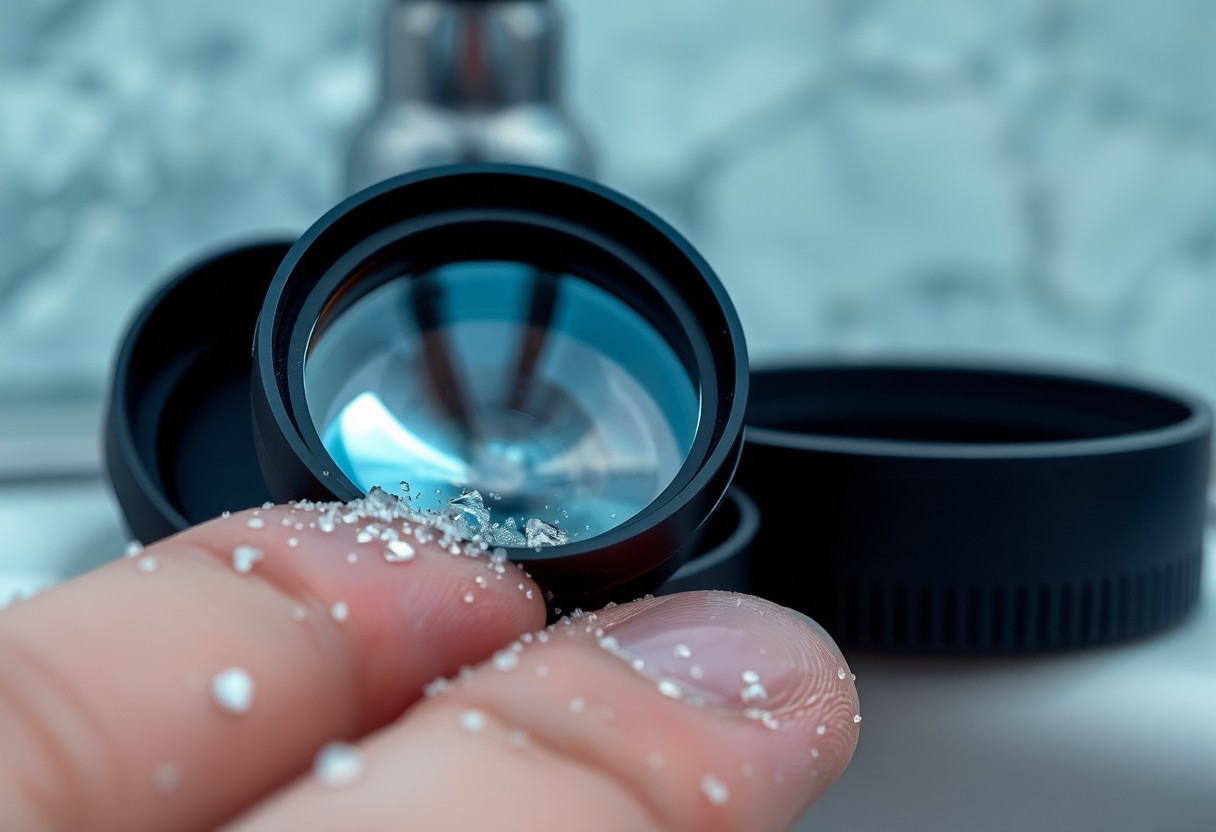
Hard water’s calcium and magnesium interact directly with lens materials and your tear film, leaving mineral residues that cause clouding, reduced comfort, and faster deposit buildup. You may notice more dryness, blurred vision, or a gritty feel after rinsing or showering with tap water; even daily disposables can pick up deposits from splashes or handling. Over time those mineral layers trap proteins and lipids, lowering lens performance and increasing the chance of irritation or bacterial adhesion.
Mineral deposition on lens surfaces
Calcium and magnesium precipitate as carbonate and phosphate salts that bind to soft-lens polymers and silicone-hydrogel surfaces, forming a thin, often invisible film within hours to days of exposure. You’ll see decreased clarity and wettability, and deposits can trap microbes or accelerate protein fouling, shortening usable comfort time and making lenses feel gritty even when you replace them daily.
Disruption of the tear film and lens wettability
Mineral residues alter surface chemistry, increasing the contact angle and reducing how well your tears spread across the lens; as a result your tear breakup time can drop from a normal ~10-12 seconds to below 5-7 seconds, producing rapid evaporation and symptomatic dryness. You’ll feel lenses stickier, lubricants may wear off faster, and blink-related discomfort becomes more frequent.
Mechanistically, calcium binds to mucins and tear lipids while magnesium affects surface charge, both diminishing surface hydration and increasing evaporation rates. In practical terms you may need more frequent rewetting drops, switch to lenses with higher intrinsic wettability, or avoid tap-water exposure-because short, everyday contacts with hard water can meaningfully worsen comfort and vision.
Impacts by lens type
You’ll see different effects depending on material and care: hard water minerals like calcium and magnesium increase deposits, reduce wettability, and raise discomfort and infection risk; if your tap measures above 180 mg/L CaCO3 (very hard), expect faster buildup and more frequent blurry vision or dryness even when you follow routine care.
Daily disposables – how even single-use lenses can be affected
Because you handle them with wet hands, rinse with tap water, or use tap-based rewetting, daily disposables can still accumulate mineral films within 4-8 hours, causing blurry vision and irritation; studies and clinician reports show users who touch lenses after washing with hard tap water often experience earlier dryness and reduced comfort compared with those using distilled or saline solutions.
Reusable soft lenses, rigid gas permeable lenses, and lens cases
Reusable lenses accumulate calcium and protein deposits over days, which lower oxygen transmission and comfort; cases exposed to hard tap water develop biofilm within 24-48 hours, increasing risk of microbial keratitis and adherence of organisms such as Acanthamoeba when water contacts lenses during storage or rinsing.
In practical terms, deposits on hydrogel or silicone hydrogel lenses typically become noticeable after 3-7 days of wear in hard-water environments, accelerating lens replacement; clinicians report that switching to sterile solutions or monitoring water hardness reduces deposit rates, while failing to fully dry cases or topping up solution with tap water markedly increases microbial load and complication rates.
Symptoms and signs to watch for
Watch for a pattern of symptoms that won’t resolve with normal breaks: persistent dryness, intermittent blurred vision, increased lens movement, and tiny visible flecks or a filmy coating on lenses after wear. If these problems recur despite fresh lenses or proper handling, and especially if they worsen after showering or swimming, mineral buildup from hard water is a likely contributor and warrants targeted changes to your routine.
Dryness, irritation, blurred vision, and visible deposits
You may feel more friction and less lens wettability because calcium and magnesium bind tear-film lipids, producing a gritty sensation and visible white or gray deposits on lens surfaces. Blurring often fluctuates through the day as deposits disrupt optics; even daily disposables can show a thin film after exposure to hard water. Patients report comfort drops within hours when lenses contact water containing hardness >120 mg/L (as CaCO3).
When symptoms suggest a water-related cause
Pay attention when symptoms coincide with specific water exposures: irritation that starts after showering, rinsing lenses with tap water, or swimming in pools or lakes. If both eyes are affected simultaneously, new deposits appear on otherwise unused lenses, or problems persist despite fresh cleaning solutions, these patterns point toward a water-related origin rather than solution intolerance or lens damage.
Act quickly: stop any direct tap-water contact with lenses, switch to manufacturer-approved sterile solutions, and avoid swimming or showering while wearing lenses. Test your home water hardness (values >120 mg/L indicate hard water) or try wearing spectacles for 24-48 hours to see if symptoms improve. Seek prompt evaluation if pain, light sensitivity, or worsening vision occurs-Acanthamoeba and other infections are rare but serious risks associated with water exposure to lenses.
Prevention and lens-care strategies
Avoid tap-water contact with your lenses and case: don’t shower, swim, or rinse lenses with tap water; even daily disposables can accumulate mineral deposits that increase dryness and discomfort within hours. Use fresh, sterile contact solution and follow your replacement schedule. Studies link water exposure to infections-see Water Exposure is a Common Risk Behavior Among Soft … for case evidence.
Practical habits to avoid tap-water exposure
Stop rinsing or storing lenses in tap water and replace your lens case every 3 months. Wash your hands with soap and dry them with a lint-free towel before handling lenses, remove lenses before bathing, showering, or using hot tubs, and wear tight-fitting goggles if you must be near pools or open water to reduce splash risks.
Choosing solutions, rinses, and protective products
Prefer disinfecting systems that contain a chelating agent like EDTA or a properly used hydrogen-peroxide system to combat mineral buildup; use preservative-free sterile saline only for rinsing, never tap water. Verify solution compatibility with your lens material to avoid increased deposits or irritation.
When deposits persist, switch to a solution with enzymatic cleaners or a peroxide-based regimen-these remove organic and mineral soils more effectively than some multipurpose solutions. Add lens‑compatible rewetting drops to counteract dryness from hard-water residue, and if you still get deposits within days, discuss changing lens material or moving to daily disposables with your eye-care professional to reduce long-term buildup.
When to see your eye care professional
If you develop persistent redness, increased dryness, visible deposits on lenses, or any decrease in vision after contact with tap water, schedule an exam; symptoms that last more than 48 hours despite stopping lens wear or those that worsen require prompt attention. Severe signs like intense pain, sudden vision loss, or thick discharge demand immediate evaluation to rule out infection or corneal damage from mineral-induced deposits.
Persistent or worsening symptoms
If irritation, grittiness, or blurred vision continues beyond two days after avoiding tap water, your eye surface may have ongoing mineral deposits or tear-film instability. You should seek care sooner if you notice increasing pain, light sensitivity, copious discharge, or a sudden drop in vision, since these can indicate microbial keratitis or corneal epithelial breakdown exacerbated by hard-water contaminants.
What your clinician may examine and recommend
Your clinician will perform a slit-lamp exam with fluorescein to check for corneal staining and measure tear break-up time (TBUT); a TBUT under 10 seconds signals tear instability often worsened by calcium/magnesium deposits from hard water. They’ll inspect lenses for particulate deposits, assess fit, and may swab for culture if an ulcer is suspected. Typical recommendations include stopping lens wear, switching to daily disposables or sterile systems, avoiding tap water, and using preservative-free lubricants.
More detailed steps can include a trial of preservative-free artificial tears every 2-4 hours, a 48-72 hour lens holiday for non-infected irritation, or topical antibiotics if infection is present. For persistent dry-eye signs your clinician might fit scleral or hybrid lenses, consider punctal occlusion, or recommend a change in cleaning system-especially moving away from tap-water rinsing when water hardness exceeds 120 mg/L CaCO3, a level commonly classified as “hard” and prone to leaving deposits on lenses.
Final Words
Hence you should be aware that hard water minerals can worsen eye dryness, increase discomfort, and leave deposits on lenses-even daily disposables-reducing comfort and eye health; avoid rinsing or storing lenses with tap water and follow care guidelines, and consult authoritative guidance like The Danger of Using Tap Water with Contact Lenses to protect your eyes.
FAQ
Q: How do hard water minerals affect my eyes and contact lenses?
A: Minerals in hard water, primarily calcium and magnesium, can deposit on the surface of contact lenses and in the tear film. These deposits increase lens surface roughness, which scatters light and reduces clarity, and they destabilize the tear film, causing faster evaporation and increased dryness. Mineral buildup also interacts with proteins and lipids from your tears, forming stubborn residues that irritate the ocular surface and provoke redness, itching, and foreign-body sensation.
Q: If I wear daily disposable lenses, am I still at risk from hard water?
A: Yes. Daily disposables reduce the risk associated with repeated reuse, but they do not eliminate exposure to hard water minerals. Handling lenses with wet hands, rinsing lenses or eyes with tap water, or showering and swimming while wearing lenses allows minerals to contact the lens and eye each day. Even a single exposure can deposit minerals onto the lens surface or tear film, triggering dryness and discomfort that persists while the lens is worn.
Q: What practical steps can I take to lower the risks caused by hard water?
A: Avoid any contact between lenses and tap water: never rinse, store, or wet lenses with tap water and wash hands with soap and dry them before handling lenses. Use sterile saline or the manufacturer-recommended contact lens solution when needed, and use preservative-free rewetting drops if your eyes feel dry. Do not shower, bathe, or swim with lenses in; wear tight-fitting goggles if swimming is unavoidable. If hard water at home is severe, consider a point-of-use filtered tap or a water softening system for the bathroom, and discuss persistent dryness or frequent deposits with your eye care professional-switching lens material or recommending specific care products may help.
