
Living in a Hard‑Water Area? Here’s Why Your Eyes May Feel Irritated
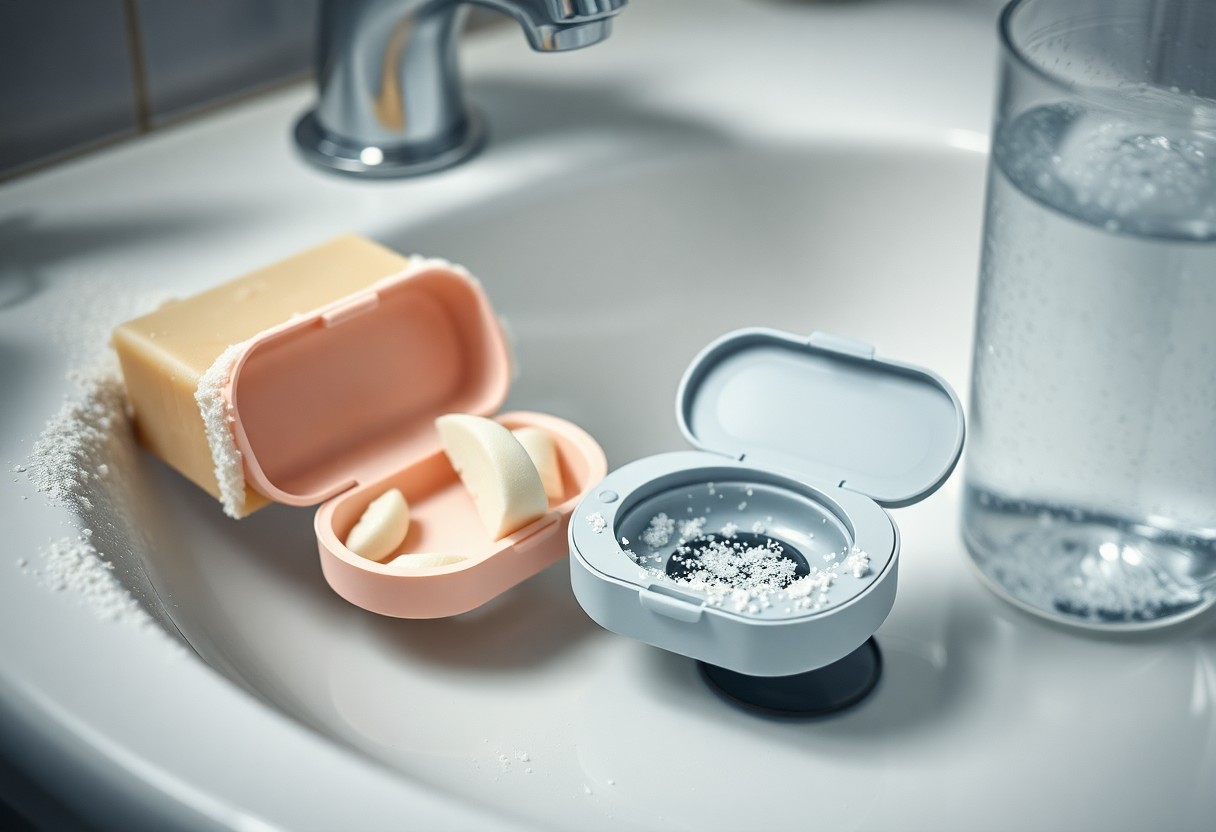
Hardwater in your area can leave mineral residue on contact lenses and eyelids, causing discomfort, blurred vision and a higher risk of infection; if you live in a hard-water region and search locally for solutions, you’ll find clear links between water hardness and contact-lens irritation. To protect your eyes, consider using distilled solutions or a water softener, changing lens care habits, and consulting an eye care professional for personalized advice.
Key Takeaways:
- In hard‑water areas, high calcium and magnesium leave mineral films on contact lenses and cases, producing a gritty sensation, redness and blurred vision as deposits trap irritants.
- Mineral‑rich tap water can reduce cleaning‑solution effectiveness and alter lens surface chemistry, increasing dryness and infection risk; people in hard‑water regions should rinse with sterile saline or use daily disposables instead of tap water.
- Check local water hardness (municipal reports or a home test) and consult an eye care provider about lens type and care routines tailored to your area’s water quality to reduce irritation.
What is hard water?
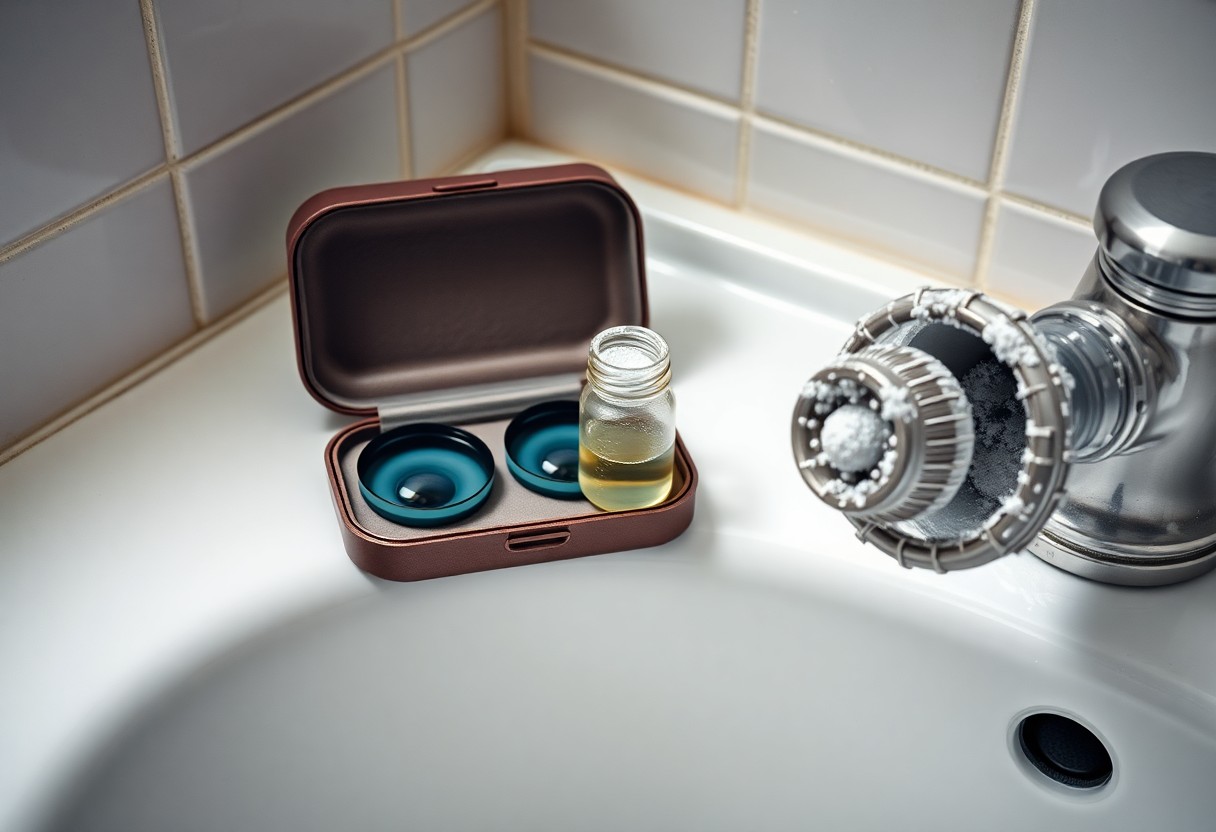
Hard water contains elevated dissolved calcium and magnesium that you encounter in your tap; it’s measured as milligrams per liter of calcium carbonate (mg/L CaCO3) and ranges from soft <60 mg/L to very hard >180 mg/L. When you rinse contacts or cases with hard tap water, those minerals can leave visible deposits and irritation. For more on reactions and symptoms see Hard Water Allergy: Identifying Symptoms and Treatment …
Mineral makeup and how hardness is measured
You’re dealing mainly with calcium (Ca2+) and magnesium (Mg2+), sometimes iron or manganese, which form scale and deposits; hardness is reported as mg/L CaCO3 or grains per gallon (1 gpg ≈ 17.1 mg/L). Municipal labs often flag supplies >120 mg/L as “hard,” a range where you’ll notice residue on faucets and accelerated contact-lens deposits that reduce comfort and clarity.
Regional variation and common sources
Areas underlain by limestone, chalk, or gypsum produce the hardest water, so if you live in parts of the Midwest, Texas, Arizona, or regions with chalk aquifers in Europe you’ll likely face higher mineral loads; groundwater and well water are more prone to hardness than surface reservoirs, directly affecting lens care where you live.
In practice, many hard-water hotspots report municipal hardness often exceeding 180 mg/L CaCO3, especially in arid regions relying on groundwater. You’ll notice faster scale buildup on kettles and heavier lens deposits composed mainly of calcium carbonate, which can increase protein/lipid fouling and microbial adhesion, making strict hygiene and avoiding tap-water rinsing of lenses especially important in those locations.
How hard water reaches your eyes
Hard water carries dissolved calcium and magnesium (commonly measured as mg/L CaCO3: 121-180 mg/L = hard, >180 mg/L = very hard) that reaches your eyes via splashes, aerosols from showers, and residual film after washing. If you live in regions supplied by groundwater-often parts of the U.S. Southwest and central plains-those minerals visibly deposit on lids and lenses, altering surface wettability and increasing irritation and deposit buildup.
Daily exposures: showering, washing face, swimming
When you shower or wash your face daily, dissolved minerals and tiny droplets contact your eyelids and lashes repeatedly, leaving a thin residue that can sting or blur vision. Swimming in pools or natural bodies adds chlorine, salts, and mineral content, so a quick splash can transfer deposits to your eyes; studies link routine water exposure to higher reports of dryness and discomfort in habitual swimmers.
Contact lens handling, rinsing, and storage practices
If you rinse or handle lenses with tap water, those minerals coat lens surfaces and case interiors, promoting protein/calcium deposits and bacterial adherence. Follow lens-solution instructions: never rinse or store lenses in tap water, rub and rinse with multipurpose solution for ~10 seconds, replace solution daily, and replace your case every 3 months to reduce discomfort and infection risk.
Hard-water minerals change lens wettability by precipitating calcium and magnesium salts onto silicone hydrogel or hydrogel surfaces, lowering comfort and oxygen transmission; that buildup also increases microbial adhesion, including organisms tied to serious infections like Acanthamoeba keratitis. You should soak lenses in fresh disinfecting solution for at least 6 hours, avoid topping off solution, air-dry the case between uses, and consider using sterile saline or daily disposables if your local municipal hardness exceeds 120 mg/L CaCO3.
Why hard water can irritate eyes and lenses
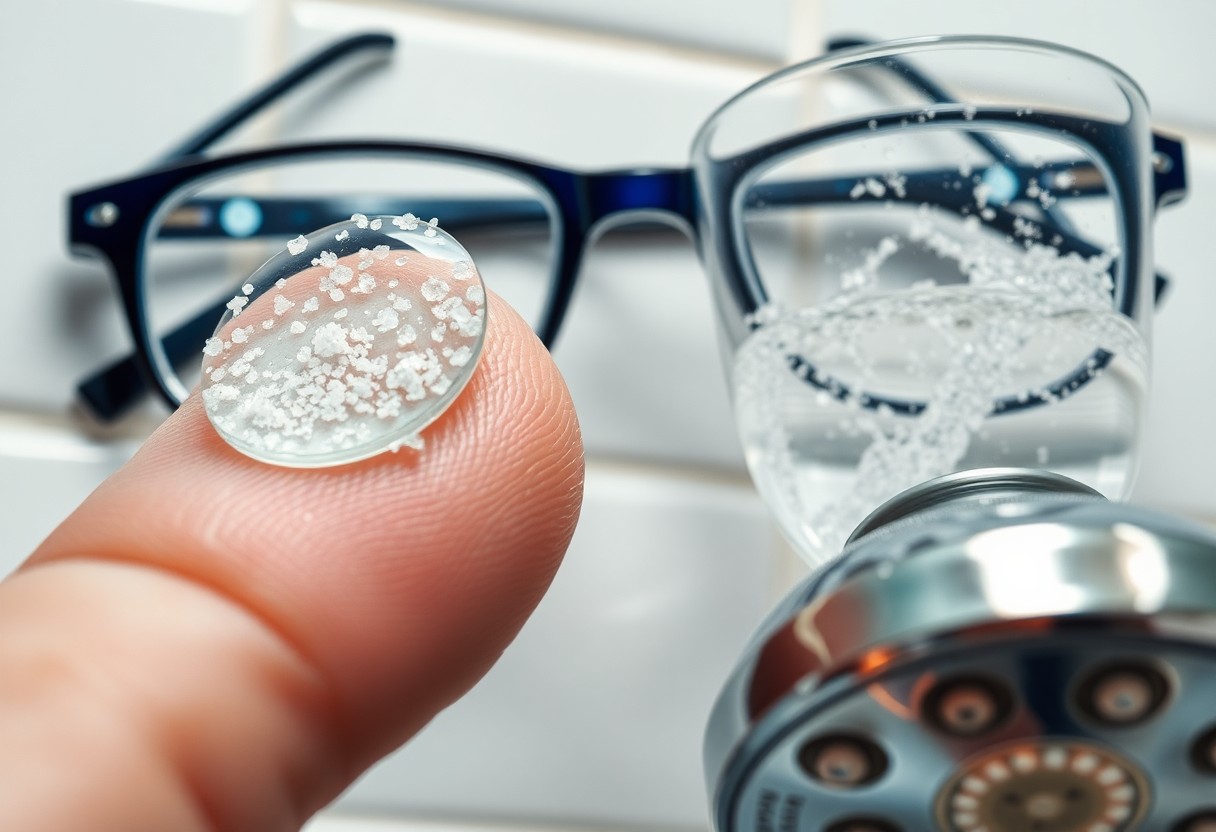
Hard water carries high levels of calcium and magnesium measured as >180 mg/L (ppm) of CaCO3 in many municipal supplies; when you live in hard‑water areas-common in the U.S. Southwest (Phoenix, Las Vegas) and parts of the UK-those minerals leave microscopic deposits on your eyelids, lashes and contact lenses, reducing wettability, disrupting your tear film and making lenses feel dry, scratchy or clouded.
Mineral deposits, protein buildup and tear-film disruption
Calcium and magnesium in hard water form insoluble deposits on lens surfaces that trap proteins and lipids from your tears, increasing surface roughness and friction; daily wear lenses can show noticeable deposits within 7-14 days, while daily disposables and solutions with chelating agents (EDTA) help limit buildup and preserve lens wettability.
Symptoms: dryness, redness, grittiness, and contact-lens discomfort
You’ll notice dryness, redness, a gritty foreign‑body sensation, intermittent blurring or sudden lens intolerance, often worse after showering, rinsing lenses with tap water or swimming in municipal pools; in hard‑water regions, contact‑lens wearers report more frequent rubbing and earlier lens replacement due to these issues-do not rinse lenses with tap water.
Symptoms can escalate from mild irritation to persistent discomfort; if you develop increasing pain, sensitivity to light, discharge or a drop in vision, seek urgent eye care. To reduce problems, consider switching to daily disposables, using multipurpose solutions with chelating agents, replacing your lens case monthly, and avoiding tap water contact with lenses-these steps lower deposit formation and improve comfort in high‑hardness areas.
Minimizing irritation at home
If you live in areas where hardness often exceeds 120 mg/L (7 gpg)-common in many Southwest U.S. and older urban systems-you should target both lens routines and household water treatment to cut irritation. Address the source of mineral deposits on lenses, manage shower and sink splash, and prioritize the bathroom tap for fixes so minerals and soap residues stop aggravating your eyes and contact comfort.
Safer lens care: solutions, rinsing habits, and replacement schedules
Switch to daily disposables when hardness is high to eliminate mineral build-up; if you wear reusable lenses, use a hydrogen-peroxide disinfection system or physician‑recommended multipurpose solution and follow the manufacturer’s replacement schedule (daily, biweekly, monthly). Never rinse or store lenses in tap water-always use sterile saline or approved solutions and replace lens cases every 1-3 months to reduce deposit-related irritation and infection risk.
Water-side fixes: point-of-use filters, softeners, and alternatives
Install point-of-use treatments at the bathroom sink-under-sink reverse osmosis (RO) or a small ion-exchange unit-to lower local hardness where you wash your face and handle lenses; whole-house salt-based softeners cost roughly $1,000-$3,000, while under-sink RO systems run $200-$600. These options can cut mineral residue and reduce lens deposits that cause discomfort, while providing an immediate, location-focused improvement.
RO systems typically remove >95% of dissolved solids including calcium and magnesium, with pre/post filters needing replacement every 6-12 months and membranes every 2-5 years; ion-exchange softeners exchange hardness ions for sodium and commonly lower hardness to <17 mg/L (1 gpg) or less, but do not remove microbes. Prioritize treating the bathroom tap first, factor in maintenance costs (salt for softeners, filter changes), and still use sterile lens solutions-softened or RO-treated water is not a substitute for disinfecting fluids.
When to consult an eye care professional
If you live in hard‑water areas (many parts of the Southwest and Midwest, e.g., Phoenix or Salt Lake City) and your eyes sting after showering or lens wear, seek evaluation-hard water often measures >120 mg/L CaCO3 and leaves calcium/magnesium deposits on lenses that increase discomfort and infection risk. If you rinse or irrigate your eyes, avoid tap water and consult guidance like How Safe Is It To Rinse Your Eyes With Tap Water?.
Red flags that require immediate attention
Seek prompt care if you experience severe eye pain, sudden vision loss, intense light sensitivity, a white spot on the cornea, or thick discharge. Contact lens wearers with worsening redness within 24 hours after exposure to tap water or swimming pools face higher risk of invasive infections like Acanthamoeba, and should remove lenses and present to emergency eye services without delay.
Diagnostic tests and medical treatments your clinician may recommend
Expect a slit‑lamp exam with fluorescein staining, corneal cultures or PCR for microbes, tear osmolarity testing, and pachymetry; treatments range from hourly topical antibiotics for bacterial keratitis to targeted therapy such as PHMB 0.02% or chlorhexidine for Acanthamoeba, natamycin for fungal causes, topical anti‑inflammatories, and therapeutic contact lenses or surgical intervention when needed.
During the exam your clinician will quantify epithelial defects with fluorescein and assess stromal involvement via slit lamp; cultures guide therapy when an ulcer is >1 mm or not improving. Tear osmolarity >308 mOsm/L supports dry‑eye contribution to lens intolerance. For suspected bacterial keratitis, you may receive broad‑spectrum fluoroquinolone drops hourly until improvement, then taper; severe cases can require hospitalization for fortified antibiotics. Acanthamoeba needs prolonged dual anti‑amoebic therapy (often weeks to months) with agents like PHMB 0.02%, and fungal keratitis commonly uses topical natamycin. If mineral deposits are the problem, enzymatic cleaners, daily disposables, or refitting to a different modality can dramatically reduce symptoms; you should stop lens wear immediately and replace lens cases after treatment initiation.
Summing up
Upon reflecting, if you live in a hard-water area you may find your eyes irritated because high mineral content leaves deposits on contact lenses and eyelids, alters your tear film, and reduces soap and solution effectiveness; checking local water hardness (search with your city or postcode) can predict discomfort, so consider daily disposables, rinsing with sterile solution, or consulting an eye care professional to adapt your lens care to your area’s water profile.
FAQ
Q: Why does hard water make my eyes feel irritated when I wear contacts?
A: Hard water contains high levels of calcium and magnesium that readily deposit on contact lenses and in the tear film. Those mineral deposits change the lens surface wettability, increase friction against the eyelid, trap organic debris and microbes, and can alter the effectiveness of cleaning solutions – all of which cause dryness, grittiness, redness, intermittent blurred vision and more frequent lens removal. Well water and water fed from limestone or chalk aquifers are often harder, so residents in those supply areas tend to notice symptoms more.
Q: How can I tell if my area’s water hardness is causing my eye problems?
A: Check your local water quality report (search “water hardness [city/state]” or view your municipality’s Consumer Confidence Report) or use inexpensive home test strips that report hardness in mg/L as CaCO3 or grains per gallon. Typical guidance: 0-60 mg/L is soft, 61-120 mg/L moderately hard, 121-180 mg/L hard and >180 mg/L very hard. Keep a symptom log comparing times you use tap water on lenses or shower with contacts versus when you use sterile solutions or travel to another area; worsening only when exposed to local tap water points to hardness. An eye-care professional can inspect lenses and the ocular surface for mineral deposits and rule out other causes.
Q: What practical steps can people in hard-water areas take to reduce contact lens discomfort?
A: Never rinse or store lenses in tap water; always use sterile multipurpose solution or manufacturer-recommended saline. Consider switching to daily disposable lenses to avoid long-term deposit buildup. Clean and air-dry your lens case daily and replace it every 1-3 months. Use contact-compatible rewetting drops and ask your eye-care practitioner about anti-deposit or enzymatic cleaners if you use reusable lenses. If local water hardness is very high, installing a water softener or point-of-use reverse-osmosis filter can reduce household mineral exposure (but do not substitute treated tap water for sterile lens solutions). Seek prompt professional care if you have persistent pain, sensitivity to light, or vision changes.
