
How Hand Washing Habits Affect Contact Lens Comfort
Many people underestimate how your hand-washing routine influences lens comfort; if you don’t dry hands thoroughly or use oily soaps you can transfer residues that cause eye irritation and infection. To protect comfort, wash, rinse, and dry your hands completely with a clean, lint-free towel, avoid scented or moisturizing soaps that leave film, and handle lenses with clean, dry fingers. Choosing daily disposable lenses and replacing them as directed reduces buildup and the risk of complications while improving comfort.
Just by how you wash and dry your hands you can prevent infections and lens irritation; always use soap that rinses completely, pat hands dry with a clean lint-free towel or let them air dry to avoid residue transfer, avoid lotions or scented soaps before touching lenses, and favor daily disposables to minimize buildup-these steps reduce discomfort and the risk of serious eye complications.
Key Takeaways:
- Dry hands completely with a lint-free towel before handling lenses to prevent water transfer, contamination, and lens slipping.
- Rinse soap fully and avoid lotions, oils, or scented soaps so residue doesn’t transfer to lenses and cause irritation or deposits.
- Prefer daily disposables to minimize buildup and irritation from occasional residue – especially if you have sensitive eyes.
Key Takeaways:
- Pat hands completely dry with a clean, lint‑free towel or air dryer before touching lenses to avoid water spots and lint on the lens surface.
- Wash with a mild, fragrance‑free soap and rinse thoroughly; avoid lotions or moisturizers before handling lenses to prevent oily residue and irritation.
- Choose daily disposable lenses when possible to reduce buildup of deposits and solution residues; follow replacement schedules for reusable lenses to maintain comfort.
Hand-washing fundamentals
You should wash your hands before every lens touch; patient education gaps are documented (see How Can We Better Inform Patients of the Importance …). Use soap and water for at least 20 seconds, rinse thoroughly, and dry on a lint-free towel or disposable paper towel to prevent residue transfer. Choosing daily disposable lenses reduces handling steps and lowers case-related contamination.
When to wash before handling lenses
Always wash your hands immediately before inserting or removing lenses and after activities that deposit oils or microbes-applying lotion or sunscreen, using makeup, touching pets, gardening, or visiting the restroom. If you applied hand cream within minutes, wash again to avoid transfer of residues that can blur lenses and increase infection risk. Treat lens handling as a separate, clean task in your routine.
Proper technique and duration
Wet your hands, lather with plain soap across all surfaces including between fingers and under nails, and scrub for at least 20 seconds before rinsing thoroughly; dry with a clean, lint-free towel or disposable paper towel. Avoid scented or moisturizing soaps that leave films, and do not handle lenses immediately after using alcohol-based sanitizer-wait until it has fully evaporated to prevent residue transfer.
For drying, use a disposable paper towel or a dedicated, frequently laundered lint-free towel and never share it; cloth towels can harbor microbes and fibers that stick to lenses. If you must use hand sanitizer, wait about 20-30 seconds for complete evaporation before touching lenses. Adopting daily disposables further minimizes handling steps and the chance that residual soaps, lotions, or microbial contamination will affect lens comfort and eye health.
Why hand washing matters for contact lens comfort
Proper hand washing before you handle lenses removes oils, skin cells and transient microbes that otherwise transfer to the lens surface, increasing friction and irritation. Effective washing with soap and water for at least 20 seconds can remove the majority of surface contaminants, and patting dry with a lint‑free or single‑use paper towel prevents recontamination. Choosing daily disposable lenses further reduces deposit buildup and the need for handling, improving comfort across the day.
Pathways of contamination and residue transfer
Your fingertips, fingernails and even towel fibers are the main routes that move oils, lotions and microbes onto lenses. Soaps with moisturizers and scented lotions leave lipid residues that cause early lens fogging and gritty sensation; shared cloth towels can redeposit bacteria. Use plain soap, rinse thoroughly, then pat dry with a clean, lint‑free towel or single‑use paper towel and avoid applying hand creams before handling lenses.
Effects on comfort and ocular surface health
Deposits and residues change lens wettability and increase mechanical friction, leading to redness, tearing and reduced wearing time; pathogens like Pseudomonas or Acanthamoeba can adhere more easily to soiled lenses and cause serious infection. If you wear reusable lenses without proper drying and residue control, you’ll notice discomfort sooner and may require more frequent replacement.
To limit these risks, dry your hands by patting with a lint‑free towel or single‑use paper towel rather than rubbing, which spreads oils. Avoid scented or moisturizing soaps before lens handling and postpone applying lotions until after insertion. For many wearers, switching to daily disposable lenses cuts handling frequency and deposit accumulation, reducing irritation and infection potential; if discomfort persists despite good hygiene, consult your eye care professional for lens type or solution changes.
Soaps, cleansers, and residues
Types of soaps and common residues
Bar, liquid, antibacterial and oil-based cleansers leave distinct films: soap scum from bars, surfactants from liquids, preservatives from medicated washes and emollients from moisturizing formulas; these residues can reduce lens wettability and increase deposits. You should wash with soap for 20 seconds and rinse thoroughly to cut transfer risk, then dry with a lint-free towel to avoid fibers. Assume that you dry your hands with a clean, lint-free towel for 10-15 seconds to limit residue transfer.
- Fragrances
- Surfactants
- Emollients / oils
- Preservatives
- Lint / fibers
| Soap / Cleanser | Common residue / effect |
|---|---|
| Bar soap | Soap scum – lowers wettability |
| Liquid hand wash | Surfactants – can leave a slippery film |
| Antibacterial wash | Preservatives – persistent residues |
| Moisturizing wash | Oils / emollients – form lipid films |
Fragrances, moisturizers, and hand sanitizers
Fragrances frequently cause sensitivity and itching, while lotions containing glycerin or silicones deposit a thin lipid layer that impairs lens comfort; by contrast, alcohol-based sanitizers with at least 60% alcohol evaporate quickly but many include humectants that can remain. You should wait 20-30 seconds after sanitizer use and ensure hands are fully dry before handling lenses to minimize transfer.
For best results, you should choose fragrance-free, non-oily hand products and handle lenses only after drying with a clean, lint-free towel for about 10-15 seconds; if you use a rich hand cream, wait a minute and wash again before touching lenses. If residue contacts a lens, remove and rinse with sterile lens solution or switch to daily disposable lenses to eliminate the cleaning step and reduce handling-related residue exposure.
Proper hand-washing technique before handling lenses
Before you touch lenses, wash with soap and water for at least 20 seconds, scrubbing fingers, nails and backs of hands; rinse thoroughly and dry with a lint-free towel or air dryer to avoid fiber transfer. Avoid oil-based soaps and applying lotions immediately after washing since residue can transfer to lenses and cause irritation. Follow practical guidance such as Contact lens hygiene-7 necessary tips for new wearers and consider daily disposables to minimize handling.
Stepwise technique and timing
You should wet your hands, apply soap, and rub briskly for at least 20 seconds-including under the nails-before rinsing under running water; then turn off the tap with a towel to avoid recontamination. Pat dry with a lint-free towel or use an air dryer so no fibers cling to your fingertips, and wait about 5-10 minutes after applying any lotion before handling lenses. Choosing daily disposables cuts repeated handling and lowers contamination risk.
Rinsing and drying to minimize residue
Rinse thoroughly to remove all soap and fragrances-since even tiny residues can cause stinging, blurry vision, or allergic reactions-then dry your hands with a clean, lint-free towel or an air dryer. Avoid terry cloths and oily hand creams within 10 minutes of handling lenses because they transfer residue to lenses; using daily disposables reduces these transfer points and improves comfort.
Use a towel dedicated to your face and hands and replace it regularly-ideally every 2-3 days or after illness-to prevent microbial buildup; single-use paper towels or an air dryer eliminate fabric transfer. When you must use cloth, choose a microfiber or lint-free option and dry fingertips last to minimize particles on the lens surface. Handling lenses over a clean, well-lit surface and preferring daily disposables will further reduce contamination and improve comfort.
Drying and residue transfer
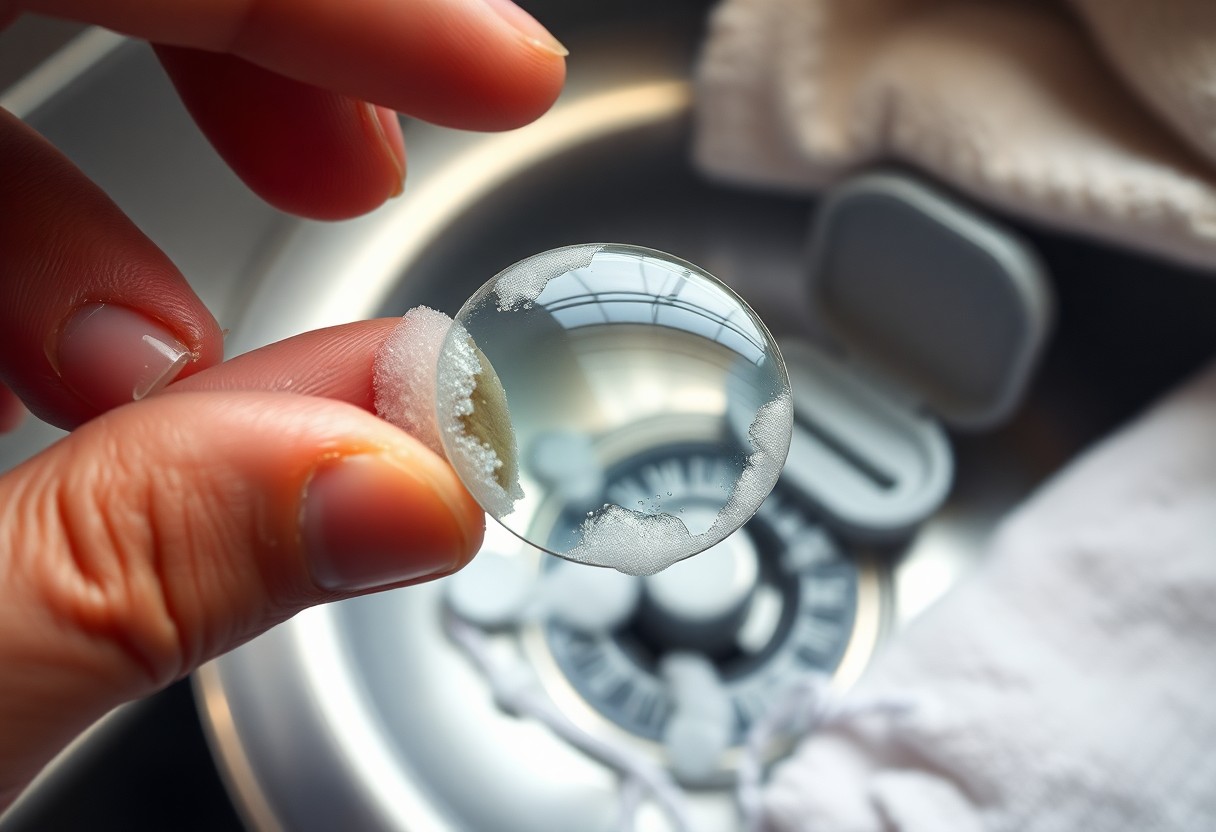
After washing your hands for the recommended 20 seconds, dry them thoroughly with a clean, lint-free towel or single-use paper towel to avoid soap and lotion residue transferring to lenses; wet or soapy fingers can leave films that reduce comfort and increase infection risk. If you’re unsure about best practices, review Contact Lens Care Mistakes That Can Harm Your Eyes for common errors and solutions.
Air drying, cloths, and paper towels
Many studies show high-velocity air dryers can disperse microbes onto your hands and nearby surfaces; choose a clean single-use paper towel or a dedicated lint-free cloth to pat dry. Microfiber towels shed far less than terry cloth, and patting until no moisture remains minimizes residue transfer; avoid rubbing vigorously, which can deposit fibers or skin oils onto your fingertips.
Lint, fibers, and contamination risks
Fibers from cotton towels and some paper products can stick to your fingertips and then to the lens edge, causing foreign body sensation, blurred vision, and in severe cases corneal abrasion or higher infection risk. You should inspect each fingertip for visible lint before touching lenses and choose materials labeled lint-free to reduce both irritation and contamination.
For extra protection, pat your hands dry with a fresh single-use paper towel, then scan your fingertips under bright light to spot fibers; if lint transfers to a lens, rinse it with sterile contact solution-never tap or use tap water-and discard daily disposables when contamination persists. Choosing daily disposables removes the lens case step and substantially lowers handling-related contamination compared with reusable lenses.
Soaps and skin products: what to use and avoid
You should wash hands for at least 20 seconds with plain, fragrance-free soap, rinse thoroughly, then dry with a clean, lint-free towel or air dryer to minimize residue transfer; if you use lotions, apply them after inserting lenses or switch to daily disposables to eliminate buildup and reduce handling-related discomfort.
Ingredients that increase residue or irritation
Avoid soaps and products containing fragrances, vital oils, petrolatum (petroleum), lanolin, heavy silicones (dimethicone) and oily emollients, because these readily transfer microscopic films to lenses that worsen deposit formation and lens wettability, increasing redness and dryness within minutes of wear.
Low-residue alternatives and safe products
Choose mild, fragrance-free, oil-free hand soaps or syndet bars, rinse well, and use fast-absorbing water-based lotions only if needed; follow with a clean, lint-free towel and consider daily disposable lenses to avoid overnight storage deposits and cleaning-transfer issues.
For routine practice, use plain liquid soap or a hospital-grade gentle cleanser, keep a dedicated towel swapped weekly, wait about 2-3 minutes after moisturizing before touching lenses, and discuss with your eye-care provider if switching to daily disposables could reduce your deposit-related symptoms.
Impact on contact lens comfort and ocular surface
Tear-film disruption and irritation
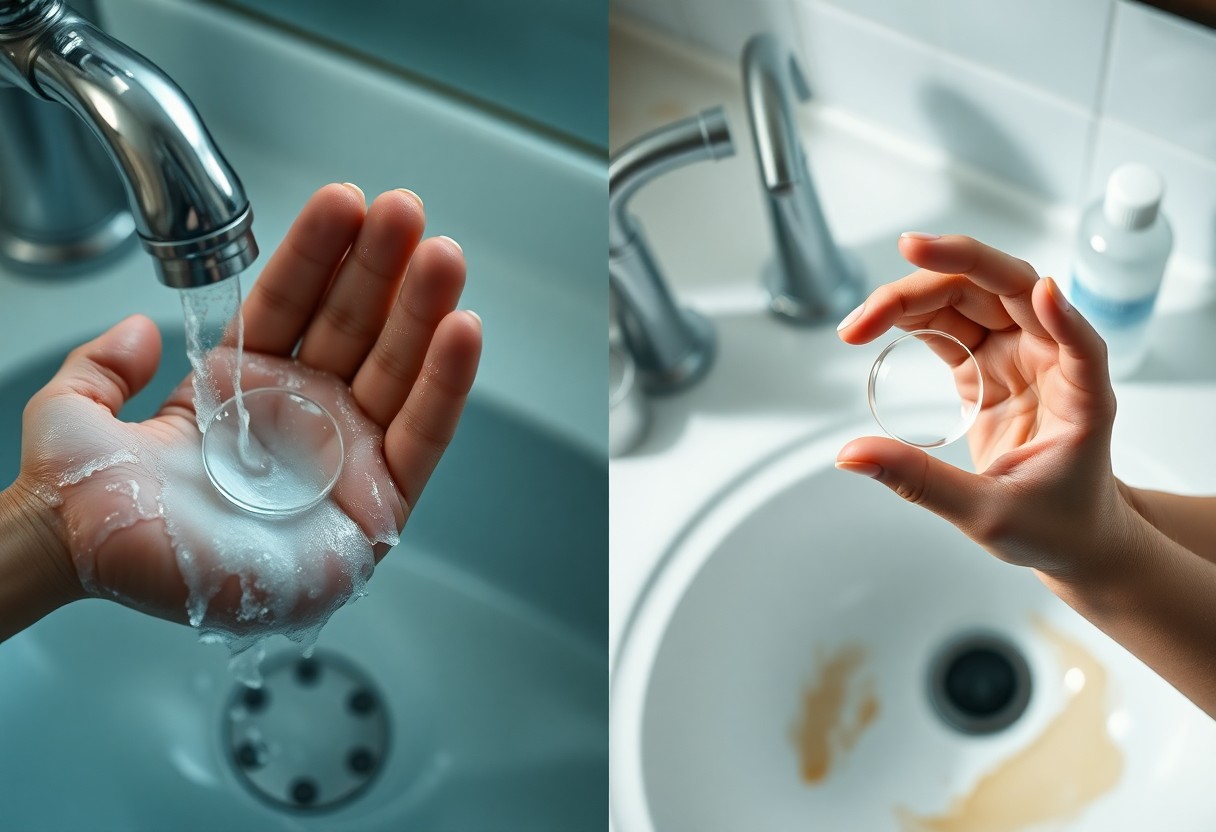
When oil or soap residue transfers from your hands to a lens, it reduces wettability and shortens tear-film breakup time (TBUT) below 10 seconds, causing immediate dryness and blurred vision. Dry hands thoroughly with a lint-free towel or clean paper towel and avoid lotion/soap residue; if you apply moisturizer, wash again before handling lenses. Choosing daily disposables cuts deposit buildup and often restores comfort within days.
Infection and inflammatory risks
Even brief contact with contaminated hands can introduce bacteria or Acanthamoeba; contact lens-related microbial keratitis occurs in about 4 per 10,000 daily wearers and up to 20 per 10,000 with overnight wear. Always dry with a clean towel and do not handle lenses with wet or recently moisturized hands; selecting daily disposables removes lens cases and lowers infection and inflammatory risks.
Biofilms form quickly in lens cases and can persist despite surface cleaning; if you reuse lenses, replace the case every 3 months, rinse and air-dry after cleaning with multipurpose solution, and never use tap water. Dry your hands with a single-use paper towel or lint-free cloth to avoid transferring microbes, and if you have recurrent irritation, consider daily disposables to eliminate storage-related reservoirs and reduce inflammatory events.
Drying methods and contamination risk
How you dry your hands directly changes what lands on your lenses: rubbing with a shared towel or towel with lotion residue can transfer oils and microbes, while letting hands drip-dry risks airborne dust settling on moist skin. Use a single-use paper towel or a dedicated lint-free microfiber cloth and pat dry for 5-10 seconds before handling lenses. If you wear reusable lenses, minimize towel contact with the lens case to lower contamination risk.
Towels, air drying, and lint-free options
Reusable terrycloth or bath towels shed fibers that adhere to lenses and trap bacteria; swap them for a fresh paper towel or a dedicated lint-free microfiber cloth used only for lens days. Microfiber captures most lint and dries faster, so you’ll see less residue on your fingers. Change that cloth daily or after any visible soiling, and avoid drying near laundry or vents where lint and dust concentrations rise.
When drying introduces particulates or microbes
Rubbing wet hands generates skin flakes and spreads oils that attract dust and microbes, increasing the chance of transfer to lenses and storage cases. Shared hand towels commonly harbor skin flora and environmental bacteria, so using them raises infection risk. If you must air-dry, do it in a clean, low-traffic space for at least 30 seconds after patting; otherwise opt for a disposable towel to minimize particulate pickup.
Focusing on mechanics helps: patting limits friction that releases skin cells, while single-use towels eliminate accumulation that occurs when fabric is reused. Dry on a clean surface away from sinks and dryers to avoid airborne particulates; if you frequently notice irritation, switching to daily disposable lenses removes the storage-case variable and significantly reduces the pathways by which dried-on particulates and microbes cause discomfort.
Lens materials and disposable schedules
Your hand-drying and residue control affect which lens schedule suits you: if you often transfer soap or lotion residues, shorter wear like daily or biweekly cuts risk of buildup versus monthly lenses. Choose between daily, two-week, or monthly schedules based on how well you dry with a lint-free towel or air-dry for 10-20 seconds after washing. For common mistakes see Contact Lens Care Mistakes That Can Harm Your Eyes.
Which materials tolerate residual deposits
You’ll find that silicone hydrogel lenses offer superior oxygen flow but can attract more lipid deposits without proper hand hygiene; traditional hydrogel lenses with higher water content tend to bind proteins and tear debris. Prefer lenses with surface treatments (for example, plasma or hydrophilic coatings) if you struggle with residue transfer, and always dry your hands thoroughly with a lint-free towel to minimize deposit seeding before you handle lenses.
Advantages of daily disposables
You reduce exposure to accumulated deposits and solution-handling errors because you discard lenses each day, lowering the chance of irritation and inflammatory events. Daily disposables also remove the need for nightly storage and cleaning, which cuts interactions with contaminated solution or unclean cases-especially helpful if you frequently use lotions or transfer oils from hands.
More information: daily disposables simplify hygiene by eliminating multipurpose solution steps that can trap residue; studies and clinical guidance repeatedly show they reduce lens-related complications tied to poor handling. If you struggle to dry hands fully-air-drying 10-20 seconds or using a lint-free towel-daily lenses are a practical choice, since you remove one major pathway for soap, sunscreen, and moisturizer to reach the lens surface.
Implications for different lens types
| Daily disposables | Minimal handling lowers buildup; still wash hands for 20 seconds and dry with a lint-free towel before insertion to avoid transfer of lotion or sunscreen. |
| Reusable soft lenses | More frequent cleaning required; oil and protein from your hands accelerate deposit formation-use rub-and-rinse and weekly enzymatic cleaning to reduce discomfort. |
| Silicone hydrogel | Higher oxygen permeability but attracts lipid deposits; avoid oily residue by waiting several minutes after applying moisturizers before handling lenses. |
| Rigid gas-permeable (RGP) | Smaller surface area means less surface residue, yet greasy hands still cause edge lift and tearing-clean cases and dry hands thoroughly before handling. |
| Cosmetic/colored lenses | Surface pigments trap debris; any residue from lotions or makeup increases irritation and infection risk-follow strict hand hygiene and consider daily disposables for occasional wear. |
- Hand-washing technique
- Drying with lint-free towel
- Avoid lotions and sunscreen
- This minimizes transfer of oils that cause deposit build-up and irritation.
Daily disposables versus reusable lenses
You’ll find daily disposables reduce handling steps-no nightly cleaning or case storage-so you lower the chance of transferring residues each day. Reusables need consistent rub-and-rinse routines, weekly enzymatic cleaning, and case hygiene; otherwise deposits from your hands and environment accumulate, increasing foreign-body sensation and redness.
Cleaning regimens to counter hand-borne residue
You should wash with soap and water for 20 seconds, rinse thoroughly and pat dry with a lint-free towel before touching lenses; avoid scented or moisturizing soaps that leave residues, and delay lotion use for several minutes after washing to prevent transfer of oils that cause discomfort and deposits.
When you use reusable lenses, always perform a rub-and-rinse step with your prescribed multipurpose solution for about 10 seconds per lens, then soak for the manufacturer-recommended time (commonly overnight or a minimum of 4-6 hours). Clean your case by rinsing with solution and air-drying daily, replace the case every 3 months, and use an enzymatic cleaner weekly to remove protein films that hand residues accelerate; these steps cut inflammation, lens fogging, and infection risk.
Practical recommendations for lens wearers
You should wash your hands for at least 20 seconds with soap and water, then pat dry with a lint-free or disposable towel to remove oils and residues; avoid fragranced soaps and lotions before handling lenses. When you need more guidance on avoiding water and microbes, consult Healthy Habits: Keeping Water Away from Contact Lenses. Choosing daily disposables reduces deposit buildup and handling-related transfer.
Step-by-step routine to minimize transfer
Start by washing for 20 seconds, dry hands thoroughly with a disposable or lint-free towel, handle lenses by the edges, avoid touching your face or hair during insertion, and discard daily disposables after use to cut residue accumulation; these steps lower deposit and comfort problems.
Routine steps
| Action | Why and how |
|---|---|
| Wash hands 20s | Removes oils/microbes; use plain soap and warm water |
| Dry with disposable/lint-free towel | Prevents lint and leaves no film that transfers to lenses |
| Avoid lotions/perfumed soaps | Residue increases discomfort and deposits on lens surface |
| Handle edges only | Limits contact with finger oils and makeup |
| Use daily disposables | Reduces buildup and need for cleaning solutions |
When to stop wearing lenses and seek care
If you develop severe pain, marked redness, sudden vision change, light sensitivity, or thick discharge, remove lenses immediately and contact your eye care provider; aim to be evaluated within 24-48 hours or sooner for worsening symptoms.
For additional context, persistent gritty sensation or increasing redness over several hours can signal infection; if symptoms include blurred vision or intense pain, you should seek same-day professional assessment and avoid reusing lenses or cases until cleared by your clinician.
Patient habits, education, and clinical guidance
You should wash your hands with soap for 20 seconds before handling lenses, dry them on a lint-free or single-use paper towel to prevent residue transfer, and avoid applying lotions or fragrances right before insertion. Clinicians ought to counsel on switching to daily disposable lenses when deposits or frequent discomfort occur, since disposables reduce biofilm buildup and lower the risk of serious complications like microbial keratitis.
Practical habit changes and reminders
You can set up a simple routine: wash for 20 seconds, pat dry with a single-use paper towel or clean lint-free cloth, and wait at least 10 minutes after moisturizing before touching lenses. Keep soap pumps and a clean towel by your sink, replace your lens case every three months, and consider daily disposables if you routinely transfer creams or environmental residues to your lenses.
When to reassess lens type or seek care
If you experience persistent redness, pain, discharge, or vision changes lasting more than 48 hours despite good hygiene, seek eye care promptly; severe pain or sudden vision loss requires immediate evaluation. You should consider moving to daily disposables or a different lens material if you have repeated deposits, allergy symptoms, or work in dusty/chemical environments that increase contamination and discomfort.
For example, if you switch to daily disposables and stop applying hand creams before lens handling, expect improvement within 7-14 days and schedule follow-up in 1-2 weeks. If symptoms persist, your clinician may trial a higher-oxygen silicone hydrogel or change replacement frequency. Seek urgent care within 24 hours for worsening pain, marked vision change, or heavy discharge, as these may indicate infection needing prompt treatment.
To wrap up
Presently you can improve contact lens comfort by washing your hands with mild soap and rinsing thoroughly, then drying with a lint-free towel or a disposable paper towel to prevent fiber or lotion transfer. Avoid scented soaps, creams, and applying lotions immediately before handling lenses; let hands air-dry if possible. If residue or dryness persists, consider switching to daily disposable lenses to reduce buildup and irritation.

Summing up
Considering all points, you can protect contact lens comfort by washing and drying your hands thoroughly with soap and a lint-free towel or air dryer to prevent residue transfer; avoid lotions, perfumes, or fabric-softener scents before handling lenses, and opt for daily disposable lenses if you have sensitive eyes or inconsistent hygiene-these practical steps reduce deposits, irritation, and discomfort while making lens wear safer and more comfortable.
FAQ
Q: How do hand-washing habits affect contact lens comfort?
A: Oils, soap, lotion and other residues left on hands transfer to lenses and the eye surface, causing deposits, blurred vision and irritation. Proper hand washing removes microbes and surface films that attract lens deposits. Use mild, oil-free, fragrance-free soap; rinse thoroughly under running water to remove all soap suds; and dry completely with a clean, lint-free towel or single-use paper towel before handling lenses.
Q: What is the best way to dry hands to avoid residue transfer and lint when handling lenses?
A: Pat hands dry with a clean, lint-free towel or a disposable paper towel to avoid fiber transfer; avoid terry-cloth towels that shed. Make sure fingertips and under nails are fully dry. If you used lotion recently, wash and dry again before touching lenses. Air dryers are acceptable if hands are fully dry and free of soaps or lotions, but avoid touching lenses while hands are wet.
Q: Do disposable lenses help if hand-washing is imperfect or I have sensitive eyes?
A: Daily disposable lenses reduce buildup of deposits and lower the number of times lenses are handled and cleaned, which helps if small amounts of residue reach lenses. For people with dry, sensitive or allergy-prone eyes, daily disposables often improve comfort compared with reusable lenses that accumulate deposits. If you wear reusable lenses, follow strict cleaning and storage routines and consult your eye care professional about lens material and replacement schedule.
