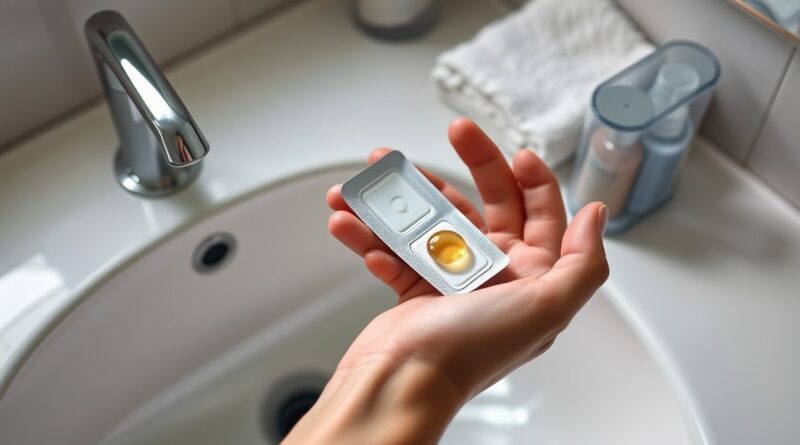
Disposable Contact Lenses and Eye Hygiene – A Cleaner Daily Start
There’s a simple, hygienic option if you frequently experience eye irritation: daily disposable contact lenses let you start each day with a fresh lens, reducing protein and debris buildup and lowering the chance of redness and discomfort. Because you discard them after one use, you avoid nightly cleaning routines, but improper wear or overwearing still raises the risk of infection and corneal damage. Consult your eye care professional to confirm daily lenses fit your needs and protect your eyes.
Key Takeaways:
- Daily disposable lenses provide a fresh lens every day, minimizing protein, debris and allergen buildup that can irritate sensitive eyes.
- No cleaning or storage required reduces exposure to contaminated solutions and cases, lowering infection and inflammation risk.
- Convenient daily replacement supports consistent eye hygiene and comfort for people prone to redness, itching, or dryness.

Benefits of Disposable Contact Lenses
You get a fresh, hygienic lens every day without overnight storage or cleaning solutions, which sharply reduces protein and lipid buildup that causes irritation and itching. For people prone to redness or seasonal allergies, daily lenses often mean fewer symptoms and more comfortable wear; several studies report lower complication rates with daily disposables-see The Pros & Cons of Daily Disposable Contact Lenses for more detail.
Improved ocular hygiene and comfort
You discard lenses each evening, so deposits, pollen and makeup residues never accumulate; that directly translates to less mechanical irritation and better tear-film stability. Many wearers with dry-eye or allergy histories report improved comfort and fewer midday replacements, because daily replacement prevents the progressive lens dehydration and surface roughness that cause blinking-related soreness.
Reduced risk of lens-related infections
You remove the need for a case and multipurpose solutions, cutting out common sources of contamination and biofilm formation that lead to infection. Reusable lens routines-topping off solution, improper case cleaning-are linked to higher rates of contact-lens-associated microbial keratitis, so switching to dailies reduces your exposure to those risks.
For context, lens cases frequently harbor pathogens such as Pseudomonas aeruginosa and Acanthamoeba, and outbreaks have been traced to rinsing with tap water or reusing solution. By adopting daily disposables you remove the storage vector entirely, lower your chance of encountering contaminated cases or solution, and simplify hygiene practices-especially important if you travel, sweat heavily, or have limited time for lens care.
Choosing the Right Disposable Lens
You should match lens type to your symptoms and routine: daily disposables are ideal if you get irritation or protein/allergen buildup because you discard them each day, reducing deposits and handling. Choose base curves typically 8.3-8.8 mm and diameters 13.8-14.5 mm; powers come in 0.25 D steps. Pay attention to Dk/t ratings-from ~20 for older hydrogels to >100 for silicone hydrogel-because higher Dk/t lowers hypoxia risk.
Materials, breathability and moisture technologies
Silicone hydrogel lenses deliver Dk/t values often >100, letting more oxygen reach the cornea, while conventional hydrogels rely on higher water content (38-78%) for comfort. Manufacturers add wetting agents like PVP or hyaluronan and use plasma or surface treatments to retain moisture and cut deposits; examples include Dailies Total1 (hyaluronic acid) and MyDay (PVP). If you’re prone to irritation, choose lenses with high Dk/t and active moisture technology to minimize dryness and allergen buildup.
Fit, prescription accuracy and professional fitting
You need an accurate fit: base curves commonly range 8.3-8.8 mm and diameters 13.8-14.5 mm, with powers in 0.25 D steps; daily toric and multifocal options cover many prescriptions, including toric axes in 10° steps and adds up to +2.50 D in some lines. A poor fit causes edge lift or tight lens syndrome, increasing rubbing, discomfort and infection risk-misfit can produce corneal abrasions and raise infection risk-so professional assessment matters.
During fitting your practitioner uses slit‑lamp exam, corneal topography and trial lenses with over‑refraction to settle base curve, diameter and material; you should see lens movement of about 0.5-1.0 mm on blink and centration within the pupil. Follow‑ups at 1-2 weeks confirm comfort and vision; if you get persistent pain, redness, or blurred vision remove lenses and contact your practitioner immediately-these are signs of a potentially serious problem.

Safe Daily Practices
Daily disposables give you a fresh, hygienic start each morning by eliminating lens-case contamination and solution use; studies report lens cases harbor microbes in 40-70% of samples. If you want more on how dailies improve comfort and convenience, see Convenience and Comfort of Daily Disposable Contact Lenses. Use them to reduce handling steps and lower your overall infection risk.
Proper handwashing, insertion and removal technique
Wash hands with soap and water for at least 20 seconds, dry on a lint-free towel, keep nails short, and use fingertips to handle lenses. Inspect each lens for tears and deposits before placing; look up, pull down your lower lid, place the lens on the center of the eye, then blink. To remove, look up, pull down, slide the lens to the white, and pinch gently between thumb and index finger-avoid rubbing on-eye with nails.
Handling, temporary storage and discard guidelines
Open blisters only with clean hands and discard lenses after a single wear; if you must temporarily remove a daily lens, place it in a sterile case with fresh multipurpose solution and discard at day’s end. Never rinse or store lenses in tap water or saliva, and treat any lens that fell on the floor as contaminated-discard immediately to avoid infection.
If a lens is dropped, rinse briefly with sterile saline and either reinsert or discard if contamination is possible; manufacturers advise against routine reuse because deposits build up within hours. Cases and solutions are common contamination sources, so if you use temporary storage, replace the case frequently (every 1-3 months) and always start with fresh disinfecting solution-failure to follow these steps raises your risk of microbial keratitis and prolonged irritation.

Recognizing and Managing Problems
You’ll notice most issues early when you pay attention: redness, persistent pain, decreased vision, or pus should prompt action. Daily disposables lower the buildup that leads to irritation, so switching can be a preventive move; see practical tips in 5 Ways to Take Care of Daily Disposable Contacts | Florida. Act within 24-48 hours for worsening symptoms to reduce risk of serious complications.
Early signs of infection, irritation and allergy
You may feel gritty discomfort or tearing that doesn’t resolve; other signs include intense redness, light sensitivity, blurred vision, or thick discharge. If symptoms persist beyond 24 hours or worsen after lens removal, treat them as potentially infectious or allergic. Daily lenses often stop the cycle of protein and lipid buildup that causes recurrent irritation for people prone to sensitivity.
Immediate actions and when to contact an eye care professional
At first sign, remove your lenses immediately and rinse your eyes with sterile saline or preservative-free drops-do not use tap water. If pain, vision changes, increasing redness, or discharge occur, contact your eye care professional within 24 hours; seek same-day care for severe symptoms. Stopping lens wear and noting symptom timing helps guide diagnosis and treatment.
When you call, report onset time, whether you slept or swam in lenses, and any prior similar episodes-these details influence treatment choices (for example, topical antibiotics for suspected bacterial keratitis versus antihistamines for allergy). If you experience severe pain, notable vision loss, or a white spot on the cornea, go to an emergency eye clinic or ER immediately, since delays beyond 24 hours can increase complication risk. After recovery, shifting to daily disposables can reduce recurrence for those with frequent irritation.
Environmental and Cost Considerations
Waste, recycling and sustainable alternatives
You generate up to 365 lenses per eye each year with dailies (≈730 total for both eyes), plus plastic blister packs and foil; that adds up fast. Many brands and programs like TerraCycle accept used blister packs and lenses in select regions, and you can cut waste by choosing 30- or 90-day bulk boxes where available. Because you get a fresh lens daily, you reduce protein buildup and irritation, but avoid flushing lenses-doing so increases microplastic pollution.
Waste & Recycling Snapshot
| Annual lens volume | Up to 365 lenses/eye (≈730 total) |
| Typical waste items | Plastic blister packs, foil, single-use lenses |
| Practical steps | Join brand/TerraCycle programs, return packaging, avoid flushing |
Cost comparison, insurance and value
You’ll pay more per lens for dailies but save on cleaners, cases and time managing lens hygiene; many wearers find the trade-off worthwhile. Daily disposables often cost roughly $0.35-$1.00 per lens, translating to approximately $256-$730/year for both eyes, while monthly lenses add solution and case costs. If your vision plan gives a contact allowance (commonly $100-$200/year) or you use FSA/HSA funds, that can significantly offset the premium.
Cost Elements Compared
| Expense | Daily vs Monthly |
| Lens purchase | Daily: per-lens cost; Monthly: per-pair lower but replaced less often |
| Supplies | Daily: minimal; Monthly: ongoing solution & case costs |
| Insurance offsets | Allowance/FSA/HSA can reduce your out-of-pocket |
To estimate your outlay, multiply your per-lens price by 365 and compare that to monthly pair costs plus annual solution expenses; then subtract any insurance allowance. Also weigh value beyond dollars: dailies lower your infection and irritation risk, and a single serious eye infection can lead to medical bills and lost work that may run into the hundreds or thousands, making dailies a cost-effective hygiene choice for people prone to irritation.
Conclusion
Conclusively, you can rely on daily disposable contact lenses to give your eyes a cleaner, fresher start each day; they minimize protein and debris buildup, lower irritation and infection risk for sensitive wearers, and simplify your hygiene routine so you experience greater comfort and confidence in your eye health.
FAQ
Q: Why are daily disposable contact lenses a better option for people who frequently experience eye irritation?
A: Daily disposables provide a fresh, sterile lens every day, eliminating protein deposits, debris and preservative buildup that accumulate on reusable lenses. That freshness reduces friction and surface contaminants that commonly trigger irritation and redness. Because you discard lenses after a single wear, there is no need for overnight storage or cleaning solutions that can irritate sensitive eyes, lowering the chance of allergic or inflammatory reactions and helping lenses feel more comfortable throughout the day.
Q: What daily hygiene steps should I follow when using daily disposable lenses to minimize irritation and infection risk?
A: Wash and thoroughly dry hands before handling lenses, open a new pair immediately before insertion, and discard them at the end of the day-never reuse a single-use lens. Avoid touching lenses with creams, makeup, or lotions on your fingers. If you use eye drops, choose formulations labeled safe for use with contact lenses and apply them only after insertion if directed. Keep cases and solutions out of your routine to prevent contamination, and replace sunglasses or makeup that might transfer particles to the eye. Schedule regular checkups with your eye care professional to confirm the fit and material remain suitable for your eyes.
Q: Can daily disposables help during allergy season, and what additional eye-care practices should I adopt?
A: Yes. Because daily disposables are discarded each day, they carry far fewer pollen and allergen particles than reusable lenses, reducing allergen contact time on the ocular surface. Combine daily lenses with gentle eyelid hygiene-wash the eyelids and lashes in the morning, avoid rubbing the eyes, and use cold compresses to reduce itching. If you take antihistamine drops or oral medications, consult your eye care provider for products compatible with contact lenses. These practices, paired with a fresh lens each day, help maintain clearer, less irritated eyes during allergy season.
