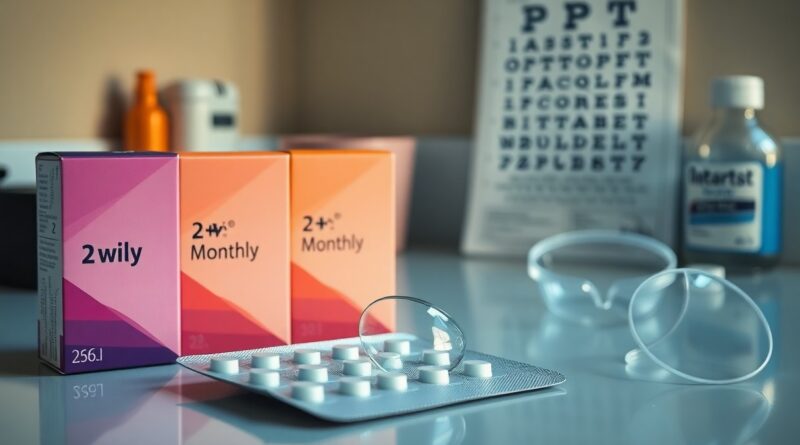
What Are Disposable Contact Lenses? A Complete Beginner’s Guide {Pillar article explaining daily, bi‑weekly, and monthly disposable lenses and how they work.
Contact disposable lenses are soft, single- or short-term use lenses that you replace daily, bi‑weekly, or monthly to control buildup and maintain clear vision. They rest on your tear film, allowing oxygen transfer; daily disposables offer greater hygiene and convenience, while reusables require cleaning. Overwearing or skipping proper cleaning raises your risk of serious eye infection, so follow your eye care professional’s fit and replacement schedule.
Key Takeaways:
- Disposable contact lenses are single-patient lenses made from hydrogel or silicone-hydrogel materials and designed for specific wear periods (daily, bi-weekly, monthly); the material controls oxygen flow and overall comfort.
- Daily disposables are single-use with the lowest handling and infection risk; bi-weekly and monthly lenses are reusable but require nightly cleaning, proper storage, and strict adherence to their replacement schedule.
- Choose based on eye health, lifestyle, and cost; always follow your eye-care provider’s prescription and discard lenses immediately if they tear, irritate, or accumulate deposits.
Types of Disposable Contact Lenses
Each option-daily, bi‑weekly, and monthly-trades off convenience, cost, and care needs: dailies eliminate cleaning but cost more per wear; bi‑weeklies lower per‑day expense but require nightly cleaning; monthlies are durable with higher deposit risk over time. You’ll also see lenses made from silicone hydrogel for higher oxygen flow and traditional hydrogels for occasional wear. Recognizing the difference helps you match lens choice to your lifestyle, budget, and eye health needs.
- Daily disposable
- Bi‑weekly disposable
- Monthly disposable
| Type | Key Features |
|---|---|
| Daily | Single‑use, no cleaning, lower infection rates, typical cost ≈ $0.75-$3.00 per lens |
| Bi‑Weekly | Replace every 14 days, nightly cleaning required, balance of cost and convenience, common in silicone hydrogel |
| Monthly | Replace every 30 days, more durable lens, higher deposit buildup risk if care lapses, some approved for limited overnight wear |
| Typical wearers | Dailies for sporadic or allergy‑sensitive users; bi‑weekly for regular daily wearers on a budget; monthlies for consistent users who follow care routines |
Daily Disposable Lenses
You get a fresh pair each day that removes the need for solutions and storage, which significantly lowers infection risk and solution‑related irritation. Manufacturers often use silicone hydrogel for higher oxygen transmissibility; many dailies come in packs of 30 or 90, with costs typically ranging from $0.75 to $3.00 per lens, making them ideal if you value hygiene and travel convenience.
Bi-Weekly Disposable Lenses
Designed to be worn daily then discarded after 14 days, these lenses require a nightly cleaning and storage routine, which keeps upfront costs lower-boxes often cost $20-$40 for three pairs-while still offering decent oxygen flow when made from silicone hydrogel.
With bi‑weekly lenses you must be diligent: protein and lipid deposits can accumulate over two weeks, so use an appropriate multipurpose or hydrogen peroxide system as prescribed. Many wearers find cost savings of roughly 30-60% versus dailies, but missing nightly cleaning raises your risk of eye infection, so follow your eye care provider’s schedule closely.
Monthly Disposable Lenses
Worn for up to 30 days, these lenses are built for longevity and often offer the widest prescription range; boxes commonly contain three pairs and can cost $30-$60 depending on material. You’ll need a strict nightly cleaning routine, since longer wear increases the chance of deposits that reduce comfort and clarity.
Some monthly lenses may be approved for occasional overnight wear, but extended wear increases hypoxia and infection risk-so stick to recommended removal schedules. If you work long hours or sleep in lenses, consider higher‑oxygen silicone hydrogel options and regular checkups to monitor corneal health.
How Disposable Contact Lenses Work
Disposable lenses correct vision by combining optical power with engineered materials that sit on your tear film, exchanging oxygen and moisture with the cornea; manufacturers tune replacement intervals (daily, bi‑weekly, monthly) to manage deposit buildup and bacterial risk. Many lenses are designed with specific Dk/t oxygen‑permeability ratings (e.g., 20-140), edge geometries, and surface chemistries so that you get clear vision while minimizing hypoxia, deposits, and lens awareness throughout the day.
Material Composition
Lens materials fall into two main groups: traditional hydrogels (higher water content, often 38-79%) and silicone hydrogels (lower water content but much higher oxygen permeability, commonly Dk/t above 60). You should know that ionic hydrogels tend to attract more protein deposits, while non‑ionic or surface‑treated silicone hydrogels resist deposits and offer better breathability; manufacturers often list material type and Dk/t on packaging for direct comparison.
Moisture Retention and Comfort
Manufacturers use wetting agents (PVP, PEG), surface coatings (plasma, hydrophilic treatments), and edge designs to keep the lens hydrated and stable on your tear film; daily disposables often feel freshest because fresh lenses reduce deposit buildup and lower infection risk. If your lenses lack good surface wetting or you blink less often, you may experience dryness, irritation, or fluctuating vision and will benefit from rewetting drops or switching materials.
Blink rate (typically 12-20/min) and tear film breakup time (~10s in many people) directly affect comfort: lenses that maintain a stable pre‑lens tear film and rehydrate quickly will reduce dryness episodes. You can track comfort improvements when moving from monthly lenses with visible deposits to daily disposables, and clinical studies show daily replacement lowers symptomatic dryness and microbial contamination versus extended‑wear schedules, making replacement interval a practical tool for managing comfort and safety.
Pros and Cons of Disposable Contact Lenses
You’ll find disposables trade convenience and eye‑health benefits against cost and waste: replacement schedules are typically daily, bi‑weekly (14 days), or monthly (30 days), and dailies remove cleaning as a contamination source. For an optometrist‑focused comparison see Disposable vs Conventional Contacts: Guide for Optometrists.
| Pros | Cons |
| Immediate convenience: you skip solutions and cases, lowering handling steps. | Higher recurring cost per lens compared with some monthly options. |
| Lower contamination risk-dailies remove overnight deposits and biofilm buildup. | Generates more packaging and blister waste when you use daily disposables. |
| Comfort: thin, fresh lenses each replacement often feel better for dry or allergy‑prone eyes. | Limited specialty options: some high prescriptions or complex toric/multifocal designs are less available. |
| Good for irregular wear patterns-ideal if you wear contacts only a few days per week. | If you extend wear past the schedule you raise your risk of irritation and infection. |
| No need for disinfecting solutions-saves storage space and reduces solution expenses. | Insurance coverage and rebate availability vary widely; out‑of‑pocket costs can be higher. |
| Reduced overnight protein/lipid deposits with regular replacement. | Supply chain or shipping delays can leave you without lenses if you don’t keep spares. |
| Easy trialing: you can test new materials or brands with minimal commitment. | Environmental recycling options for blister packs are limited in many areas. |
| Fewer solutions means fewer allergens from multipurpose drops or cleaners. | Some monthly silicone‑hydrogel lenses offer superior oxygen for extended wear needs. |
| Reduced long‑term maintenance time compared with reusable lenses. | Per‑day cost can exceed that of reusables once you factor annual usage. |
Advantages
You’ll get predictable hygiene: with dailies you start each day with a sterile lens and avoid nightly cleaners, lowering contamination vectors; studies and clinical experience show fewer handling‑related complications versus reusables, and replacement intervals (1, 14, 30 days) make it easier for you to follow your eye‑care plan.
Disadvantages
You face higher ongoing spend and more packaging waste: if you wear lenses daily you use 365 lenses per eye per year (730 total), which raises cost and landfill volume, and availability of toric/multifocal dailies can be limited so your prescription needs might force a reusable choice.
In practice, that means you should compare monthly total cost and waste: for example, choosing dailies can simplify care but produce dozens of foil blister packs monthly, and if you ever extend wear past the label you significantly increase your risk of infection-so plan purchases, keep backups, and follow the exact replacement schedule your practitioner prescribes.
Factors to Consider When Choosing Lenses
You should weigh comfort, oxygen flow, replacement rhythm, cost, and hygiene when choosing lenses. Consider how many hours you wear lenses daily, whether you need astigmatism or multifocal correction, and any history of dry eye or infections. Compare manufacturers’ oxygen permeability (Dk/t), and check if the lens is silicone hydrogel for higher breathability. Review cleaning needs versus convenience, and factor in typical monthly cost and replacement logistics. Assume that your eye care provider, prescription, and daily routine will determine the best option.
- Disposable contact lenses: compare daily, bi‑weekly, and monthly options
- Daily – no cleaning, best for occasional wear or travel
- Bi‑weekly – lower per‑lens cost but requires nightly cleaning
- Monthly – often more economical; stricter hygiene needed
- Material – silicone hydrogel vs hydrogel (impacts oxygen flow)
- Oxygen permeability (Dk/t) – higher numbers reduce hypoxia risk
- Cost – typical dailies range from ~$0.50-$2 per lens; monthlies vary by brand
- Hygiene – overnight wear and water exposure raise infection risk
Lifestyle Considerations
If you wear lenses for sports, long screen sessions, or frequent travel, pick an option that fits that routine: dailies eliminate cleaning and lower contamination risk for swimmers or travelers, while monthlies often save money if you wear contacts daily. For heavy digital use, choose lenses with higher moisture retention or replacement schedules that let you swap in fresh lenses more often. If you use makeup or perfume, dailies can reduce deposit buildup and irritation.
Eye Health
Focus on oxygen supply, surface wettability, and infection history: lenses with higher Dk/t reduce corneal hypoxia, and silicone hydrogel materials generally perform better. Avoid overnight wear unless lenses are approved for it-overnight use increases microbial keratitis risk by about 6-8×. If you have recurring redness, pain, or blurred vision, stop wearing lenses and seek care immediately.
For deeper guidance, check your lens’ published Dk/t and water‑content specs and match them to your wearing time-aim for higher Dk/t if you expect 10+ hours/day. Schedule a follow‑up within 1-3 months of switching brands to verify fit and ocular response; documented examples show switching to silicone hydrogel reduced nighttime redness and improved comfort in patients who previously reported dryness. Always replace lenses on the prescribed schedule and avoid contact with tap or pool water to lower Acanthamoeba and bacterial infection risk.

Tips for First-Time Wearers
Start slowly: wear new daily or fresh bi-weekly/monthly lenses for a few hours, increasing wear time each day while you monitor for redness, dryness, or persistent discomfort; stop and contact your fitter if symptoms continue. Use preservative-free lubricating drops when needed and follow a strict lens hygiene routine to reduce risk. Any further reading is available at Understanding Disposable Contact Lenses.
- Start with daily lenses if you have sensitive eyes.
- Track wear time for bi-weekly and monthly schedules.
- Keep a clean lens hygiene kit handy.
Insertion and Removal Tips
Practice the sequence until it feels natural: wash hands for 20 seconds, dry with a lint‑free towel, inspect each lens for tears or debris, place a lens on your index finger, hold your upper lid, pull down the lower lid, look up and place the lens, then blink to center it; for removal, look up, slide the lens to the white of the eye, pinch gently and remove. This reduces lens damage and the risk of infection.
- Always wash hands for 20 seconds.
- Inspect lenses for tears or deposits before insertion.
- Use daily disposables if you struggle with handling.
Care and Maintenance
Clean reusable bi-weekly or monthly lenses with a multipurpose solution using the rub-and-rinse method, store them in a clean storage case with fresh solution, and replace the case every 3 months; avoid tap water and swimming in lenses because water exposure increases infection risk, and follow your replacement schedule and your eye‑care professional’s instructions.
If you use a hydrogen peroxide system, complete the full neutralization cycle (usually ~6 hours) before touching lenses; never top off solution in the case, replace solution daily, and replace lenses exactly on schedule-switching to daily disposables can cut handling errors and reduce deposit buildup. Schedule an eye exam at least annually, watch for persistent redness, pain, sudden vision changes, or discharge, and seek immediate care if you suspect a serious infection.
Step-by-Step Guide to Using Disposable Contact Lenses
| Step | Action & Why |
| Before you start | Wash hands for at least 20 seconds with soap, dry on a lint-free towel, check lens for tears and expiry, and ensure solution and case are fresh; never use tap water on lenses. |
| Insertion | Place lens on fingertip, verify it forms a bowl (not flared), pull down lower lid, lift upper lid, look up and place lens, then blink to center; use rewetting drops if needed. |
| Removal | Look up, slide lens down to the white, gently pinch with clean fingertips and remove; avoid using nails and discard daily disposables immediately. |
| Cleaning & storage | For reusable lenses rub and rinse with multipurpose solution, store in fresh solution in a clean case, and replace the case every 3 months; do not top up old solution. |
| Replacement schedule | Daily = single use; Bi‑weekly = replace every 14 days; Monthly = replace every 30 days; follow your prescription exactly. |
Preparations Before Use
Begin by washing your hands for at least 20 seconds, dry them on a lint-free towel, and remove makeup or lotions that could transfer to lenses; inspect each lens for rips, deposits, or an expired package, ensure your solution is within date, and position a mirror and bright light so you can handle lenses safely-do not use tap water at any point.
Daily Routine for Contact Lens Wearers
Start the day by inserting lenses with clean hands, carry rewetting drops for midday dryness, and if you wear reusable lenses follow a nightly cleaning routine-rub, rinse, and store in fresh solution; discard daily disposables after use and swap bi‑weekly or monthly lenses on schedule to avoid deposits and infection risk.
For insertion check the lens orientation: if the edge flares out it’s inside‑out; if uncomfortable after placement remove, rinse with multipurpose solution and try again. When cleaning, rub each lens ~10 seconds per side with solution before rinsing and storing-this reduces protein build‑up. Always fill the case with fresh solution (no top‑offs), replace the case every 3 months, and if you experience redness, pain, discharge, or sudden vision change, remove lenses immediately and contact your eye care provider.
Final Words
Following this overview, you should understand how daily, bi‑weekly, and monthly disposable lenses differ, how wear schedules and cleaning affect comfort and eye health, and how to choose lenses based on your lifestyle and prescription. Follow your eye care professional’s guidance, monitor comfort and vision, and replace lenses on schedule to maintain healthy, convenient vision without unnecessary risk.
FAQ
Q: What are disposable contact lenses and how do daily, bi-weekly, and monthly options differ?
A: Disposable contact lenses are soft, corrective lenses designed for limited use and routine replacement. They are typically made from hydrogel or silicone hydrogel materials that hold water and allow oxygen to pass to the cornea, which maintains comfort and eye health. Daily disposables are single-use lenses you throw away at the end of each day; they eliminate cleaning and storage and reduce buildup of protein, lipids, and microorganisms. Bi-weekly (two-week) lenses are worn for up to 14 days and require nightly removal, cleaning, and storage in fresh disinfecting solution; they are cost-effective but demand disciplined care. Monthly lenses follow the same care routine and are replaced every 30 days. Key differences: replacement frequency, cleaning needs, cost per lens versus convenience, and risk profile (shorter replacement intervals generally lower the risk of deposits and infections). All types can come in prescriptions for astigmatism, presbyopia, and cosmetic tints, but material oxygen transmissibility and lens design affect comfort and suitability for extended wear.
Q: How should I clean, store, and handle disposable contact lenses safely?
A: For daily disposables: discard after one day, do not clean or reuse, and keep a fresh pair available. For bi-weekly and monthly disposables: always wash and dry hands before handling lenses; remove a lens and rub it gently with an appropriate multipurpose or hydrogen-peroxide solution if the product instructions call for it, then rinse and store the lens in a clean case filled with fresh disinfecting solution each night. Never “top off” old solution, never use tap water or saliva, and replace the lens case every 1-3 months. Follow the exact wearing schedule prescribed by your eye care provider – do not extend wear beyond the labeled replacement interval. Remove lenses immediately and seek care if you experience persistent pain, redness, sudden vision changes, light sensitivity, or excessive discharge. Schedule regular eye exams and follow professional recommendations about overnight wear, rewetting drops, and solution compatibility with your lenses.
Q: How do I choose which disposable lens type is best for me?
A: Choose based on prescription needs, lifestyle, budget, and eye physiology. Daily disposables suit people who want low maintenance, have allergies or sensitivity, travel frequently, or want lower infection risk. Bi-weekly and monthly lenses cost less per month and may have more parameter options, but require disciplined cleaning and case care. For dry eyes or high oxygen needs, prefer silicone hydrogel lenses with higher oxygen transmissibility (Dk/t). If you have astigmatism or presbyopia, select lenses specifically designed for those corrections. Discuss lens material, wearing schedule, and activity patterns with your eye care professional, request trial lenses to assess comfort and vision, and compare monthly costs and environmental trade-offs before deciding.
