Disposable Contact Lenses vs Glasses – Pros and Cons {Comparison article appealing to first‑time contact lens users.
It’s up to you to weigh the convenience, freedom, and natural appearance of disposable contacts against glasses’ durability and easy care; contacts can improve peripheral vision but carry a higher risk of infection or corneal damage if not handled properly, so you must follow strict hygiene and replacement schedules and consult your eye care professional to determine which option fits your lifestyle and eye health.
Key Takeaways:
- Disposable contacts give a natural field of view and suit active lifestyles; they require daily handling and strict hygiene, while glasses are low-maintenance and safer for irregular wearers.
- Modern disposables are comfortable and breathable for many users, but improper use raises risks of irritation and infection; glasses avoid direct eye contact and help with dry-eye issues.
- Glasses often mean higher upfront cost but lower ongoing maintenance; disposables have recurring purchase and supply costs plus regular eye-care appointments for safe use.
Overview of Disposable Contact Lenses
Disposable contact lenses give you a wider, unobstructed field of view and are often preferred for sports and active routines; they typically reduce peripheral distortion compared with glasses. Many daily options remove the need for nightly cleaning, which cuts handling time, but you must still follow strict hygiene to avoid infection risk or corneal irritation.
Definition and Types
Disposable lenses are designed for planned replacement on schedules from single‑use to monthly; materials vary between silicone hydrogel and hydrogel to balance oxygen flow and comfort. Manufacturers optimize thickness, wettability, and edge design for each wear cycle. Assume that you select the replacement frequency your eye care professional prescribes to minimize complications and preserve vision.
- Daily disposables
- Weekly
- Biweekly
- Monthly
| Daily disposables | Single‑use, discard each day |
| Weekly | Replace every 7 days |
| Biweekly | Replace every 14 days |
| Monthly | Replace every 30 days |
| Planned replacement | Extended schedules (60-90 days) for specific brands |
Benefits of Disposable Contact Lenses
Disposable lenses lower your maintenance burden and reduce buildup of deposits and allergens, so many users find daily disposables more comfortable and hygienic. They provide stable, wide vision for sports and screen work, and modern silicone hydrogel options deliver substantially higher oxygen transmissibility to support corneal health.
Evidence indicates reusable lenses carry higher rates of microbial contamination when care is inconsistent; some studies report up to ~50% lower infection rates with daily disposables. You should weigh this against cost-expect monthly supply costs to range widely ($30-$100+ depending on brand and prescription)-and discuss allergy or dry‑eye history with your clinician to choose the best material and schedule.
Overview of Glasses
Glasses let you correct vision without inserting anything in your eye, so you avoid the increased infection risk associated with contact handling and cleaning. They provide consistent optics for reading, driving, and screen work, and you can add coatings for UV protection or blue‑light filtering. For a side‑by‑side of practical tradeoffs see Contacts vs. Glasses: Which Should You Wear?
Types of Glasses
You’ll choose from frame materials and several lens designs tailored to tasks – distance, near, or multifocal needs. Common categories include single‑vision, bifocal, progressive, photochromic, and prescription sunglasses. This helps you match lens functionality to daily activities.
- Single‑vision – single power for distance or near
- Bifocal – two distinct prescription zones
- Progressive – seamless multifocal correction
- Photochromic – darken outdoors, clear indoors
- Prescription sunglasses – tinted with UV protection
| Single‑vision | Best for one focal distance (reading or driving) |
| Bifocal | Good if you need both near and distance without switching glasses |
| Progressive | Preferred for smooth transition across multiple distances |
| Photochromic | Convenient for indoor/outdoor use-adds sun protection |
| Prescription sunglasses | Ideal for outdoor activities with full vision correction |
Benefits of Glasses
Glasses reduce direct contact with your eyes, lowering the chance of wear‑related eye infections, and protect against wind, debris, and UV when treated; many people find them more comfortable for long screen sessions. They also let you use makeup or goggles easily and often have lower ongoing costs than contacts.
You can get prescriptions commonly spanning wide ranges (for example high myopia and hyperopia options), add coatings like anti‑reflective to cut glare for night driving, or choose polarized lenses for water and road glare; these practical upgrades directly improve daily comfort and safety while you wear them.
Comfort and Fit
Fit determines whether you can wear lenses or frames all day: contacts use metrics like base curve (commonly 8.4-8.8 mm) and diameter (about 13.8-14.5 mm), while glasses depend on frame width, temple length and nose-pad placement; an optometrist will adjust these so you avoid slipping, pressure points or distorted vision. Poor fit often leads to pain, intermittent blur, or reduced wear time, so plan a professional fitting and a short trial period before committing to daily use.
Comfort of Contact Lenses
Contacts sit on your tear film, so lens material, water content and oxygen permeability matter: silicone-hydrogel lenses and many daily disposables offer higher breathability and lower deposit buildup, making them easier for beginners to wear 8-14 hours comfortably. If you experience dryness, using preservative-free rewetting drops and switching to higher Dk/t lenses or daily disposables typically relieves irritation and reduces handling-related issues.
Comfort of Glasses
Glasses distribute weight across the bridge and temples, so frame material and pad fit affect comfort; lightweight plastics or titanium frames (often 20-50 g) and correct pupillary distance (PD) alignment prevent slippage and eye strain. An incorrect PD or tight temple screws commonly cause headaches or pressure marks-misalignment can produce persistent blurred vision and discomfort-so have measurements taken and frames adjusted before long-term wear.
To improve comfort, choose frames with adjustable nose pads, spring hinges and lighter lens materials; high-index lenses can be 20-40% thinner for stronger prescriptions, reducing edge weight. For progressive or multifocal lenses, precise vertical fitting is imperative-insist on a professional fitting and try frames during typical activities (reading, computer work, walking) to confirm sustained comfort.
Maintenance and Care
Your daily upkeep determines whether your vision stays clear and your eyewear lasts: follow schedules, replace consumables on time, and schedule eye checks. For contacts, strict hygiene and adherence to replacement plans minimize infection risk; for glasses, simple cleaning and proper storage prevent scratches and warped frames. Expect routine costs-contact solutions or monthly lenses versus occasional frame repairs-and plan for annual or biannual professional adjustments to keep optics performing well.
Care for Contact Lenses
If you use daily disposables, always wash and dry your hands before insertion and discard lenses after one wear. For reusable lenses, rub and rinse with a multipurpose solution (never tap water), replace the case every 3 months, and follow the labeled schedule-daily, biweekly, or monthly. Avoid sleeping in contacts; overnight wear raises infection risk by up to 6-8×, and microbial keratitis occurs at roughly 1-5 per 10,000 wearers per year depending on habit.
Care for Glasses
Rinse frames under warm water, use a drop of mild dish soap, rinse again, and dry with a microfiber cloth to avoid scratches; never use household glass cleaners with ammonia on coated lenses. Store glasses in a hard case when not in use, tighten loose screws with a small screwdriver, and get professional adjustments if nose pads or temple alignment feel off-these simple steps preserve coatings and optical alignment.
Clean your glasses daily and deep-clean weekly: soak in warm soapy water for a minute, then use an ultrasonic cleaner or lens-safe solution if available. Check screws monthly and replace worn nose pads every 6-12 months. If coatings show scratches or anti-reflective wear, consider lens replacement-scratched optics can cause glare and eyestrain, while proper UV-coated lenses continue to protect against sun damage.

Cost Comparison
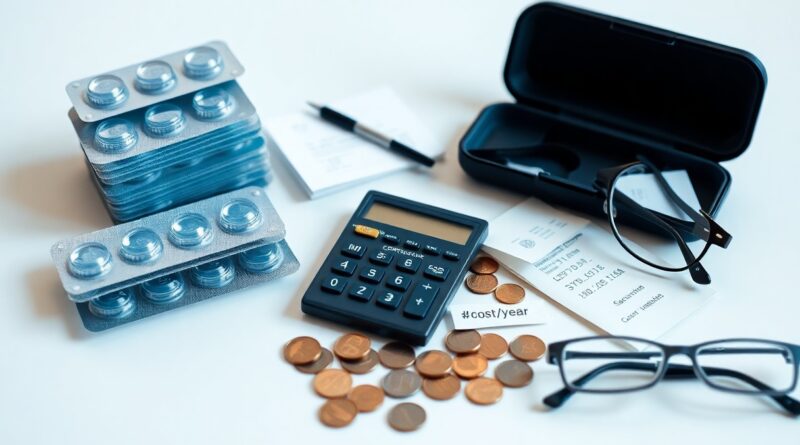
When you compare lifetime expenses, weigh upfront fees against ongoing supplies and replacements; see Switching from Glasses to Contacts: Pros and Cons for context. Below is a side-by-side breakdown showing typical initial and annual costs so you can spot where you pay more up front versus year after year.
Cost breakdown: initial vs ongoing
| Disposable Contacts | Glasses |
|---|---|
| Initial: fitting + trial $50-$150; first box $30-$60 | Initial: frame $50-$400+, lenses $50-$400+ |
| Typical annual: $300-$700 (daily disposables); specialty lenses $400-$1,000+ | Typical annual: $0-$100 (if no replacement); expect new pair every 2-3 years |
| Extras: follow-ups, replacement boxes, risk of infection if care lapses | Extras: anti‑reflective/high‑index coatings, progressive lenses, repairs/warranty |
| Insurance: partial coverage for fittings or lenses | Insurance: often covers part of frame/lens cost or offers vouchers |
Initial Costs of Contact Lenses
You should expect a contact lens fitting fee of about $50-$150 plus trial lenses; a month’s supply of daily disposables can run $50-$150, putting annual costs commonly at $300-$700. Specialty options (toric, multifocal, silicone hydrogel) push yearly spend to $400-$1,000+, and improper care can increase your infection risk and medical bills.
Initial Costs of Glasses
You typically pay $50-$400+ for frames and $50-$400+ for lenses; progressive or high‑index lenses add $150-$500, and an eye exam may cost $50-$100 without coverage. Because glasses are a mostly one‑time purchase, you often save on annual replacement but may invest more up front for comfort and appearance.
More detail: choosing anti‑reflective or scratch coatings usually adds $30-$150, photochromic/Transitions lenses add $60-$200, and designer frames can cost $150-$600+. For strong prescriptions you’ll pay more for high‑index lenses; you can often save 20-60% by ordering online, but confirm return policies and fitting services before you buy.
Lifestyle Considerations
Your daily routine shapes the best choice: contacts give a wider field of view and no fogging for commuting or exercise, while glasses act as an easy, low-maintenance option at home or work. If you want a deeper comparison, see Contacts vs. Glasses: Which Is Best for You?. Weigh convenience, hygiene needs, and how often you’ll replace lenses or frames to match your schedule and budget.
Active Lifestyles and Contact Lenses
If you play sports, contacts usually win: they won’t bounce like frames and preserve peripheral vision for faster reactions. Choose daily disposables to avoid cleaning solutions, and avoid wearing lenses in pools or lakes because water exposure raises infection risk. Many athletes pair contacts with prescription sport goggles for impact protection and UV shielding during outdoor activities.
Fashion and Glasses
Glasses double as a fashion statement, letting you change looks instantly with different frames, colors, or lens treatments; they also eliminate direct eye contact handling, which reduces infection chances. You can sport prescription sunglasses, bold designer frames, or subtle rimless options based on outfits or occasions.
Frame prices range widely-expect roughly $50-$500+ depending on brand and materials-and you can add coatings like anti-reflective, UV protection, or transitions. Try matching frame shape to your face (round frames for square faces, cat-eye for heart shapes), and consider keeping a neutral pair and a statement pair so you switch styles without changing your vision correction.
Final Words
To wrap up, choosing between disposable contact lenses and glasses depends on your lifestyle, comfort, and vision needs; contacts offer convenience, a wider field of view, and aesthetic freedom while glasses provide ease of use, lower long-term cost, and eye protection. Consult an eye care professional, try both if possible, and weigh daily habits, allergy risk, and maintenance to find what works best for you.
FAQ
Q: What are the main advantages of disposable contact lenses compared to glasses for first-time users?
A: Disposable contact lenses offer a nearly unobstructed field of vision and eliminate issues like frame edge distortion, fogging, and rain or splatter on lenses. They work well for sports and active lifestyles, provide a natural appearance without frames, and modern materials (silicone hydrogel) deliver high oxygen flow for comfort. Daily disposables reduce or remove the need for cleaning, lowering buildup of deposits and exposure to solutions, and contact lens technology now includes toric and multifocal options for common prescriptions.
Q: What are the common drawbacks or risks of choosing disposable contact lenses over glasses, and how can I minimize them?
A: Contacts can increase the risk of irritation, dry eyes, and eye infections if handled improperly or worn beyond the prescribed schedule; poor fit or overwear can cause corneal problems. They require learning insertion, removal, and hygiene steps, and recurring purchases (daily or monthly packs) can be costly. To reduce risks: obtain a professional fitting and follow the eye-care provider’s wear and replacement instructions, practice strict hand hygiene, avoid water exposure and sleeping in lenses unless prescribed, use recommended cleaning products or choose daily disposables to avoid solutions, and attend regular follow-up exams.
Q: How do costs and lifestyle factors influence whether I should choose disposable contacts or glasses as a first-time wearer?
A: Glasses typically have a higher upfront cost for frames and lenses but lower ongoing expenses and minimal maintenance; they also provide eye protection and are easy to use. Disposable contacts involve recurring costs for lens packs and possibly solutions, though daily disposables can reduce accessory needs. Lifestyle considerations-sports, outdoor activities, work environment, screen time, climate, and allergies-affect comfort and practicality. Many new wearers try a combination: glasses for daily downtime and contacts for exercise or social occasions; discuss trial lens options and cost estimates with your eye-care professional to pick the best fit for your routine and budget.
