
Can Tap Water Residue Damage Contact Lenses?
Just because tap water seems clean doesn’t mean it’s safe for your lenses: trace chemicals, chlorine, and microbes can deform lens material, reduce oxygen flow, and cause serious infections, so you should avoid rinsing or storing lenses in tap water. Follow manufacturer-approved solutions and hygiene: proper cleaning with sterile contact solution preserves lens fit and protects your eyes. See Things Contact Lens Users Should Avoid Doing.
Key Takeaways:
- Trace chemicals (minerals, soaps, cosmetics) deposit on lenses, altering wettability and optics, causing discomfort, blur, faster deposit buildup and shortened lens life.
- Chlorine and pool chemicals can chemically modify soft-lens polymers-causing swelling, stiffness, discoloration and reduced oxygen transmissibility-which increases irritation and corneal stress.
- Tap water can carry bacteria and Acanthamoeba; exposing lenses to non‑sterile water greatly raises the risk of severe infections (including Acanthamoeba keratitis). Use sterile contact solution and never rinse or store lenses in tap water.
How tap water differs from contact lens solutions
You should treat tap water as a chemically and biologically complex fluid, not a sterile lens product: minerals, metals, disinfectant residues and microbes change lens surface tension, hydration and microbial risk. For anecdotes and questions about tiny splashes see If I am wearing contacts and just a little drop of water gets ….
Mineral and trace chemical content (calcium, magnesium, heavy metals)
You’ll find calcium and magnesium in tap water as hardness (often 60-180 mg/L CaCO3 in many supplies), and those ions readily precipitate onto lenses as mineral deposits that reduce wettability and oxygen transmissibility. Trace metals like lead or copper at ppb-ppm levels can bind to polymer surfaces, causing staining, irritation, and altered cleaning efficacy, so even low concentrations materially change lens performance over days to weeks.
Chlorine, chloramines, and disinfectant byproducts
You’re exposed to free chlorine (commonly 0.2-4.0 ppm) or chloramines (≈0.5-4 ppm) residuals that act as oxidants; they can strip surface conditioning agents, increase protein denaturation, and change lens wettability, while disinfection byproducts such as THMs (MCL ~80 ppb) may deposit on lens surfaces and affect comfort.
Because chlorine and chloramines are reactive, you experience faster degradation of hydrophilic coatings and surface wetting agents: oxidation lowers surface energy, increasing lipid/protein adherence and bacterial footholds. Chloramines are more stable than free chlorine, so their effects persist longer and can be harder to rinse away; combined with microbial contaminants (Acanthamoeba and bacteria survive intermittent exposure), this raises the risk of sight‑threatening keratitis, chronic irritation, and reduced lens lifespan, which is why you should avoid any intentional water contact with lenses.
Effects on lens materials
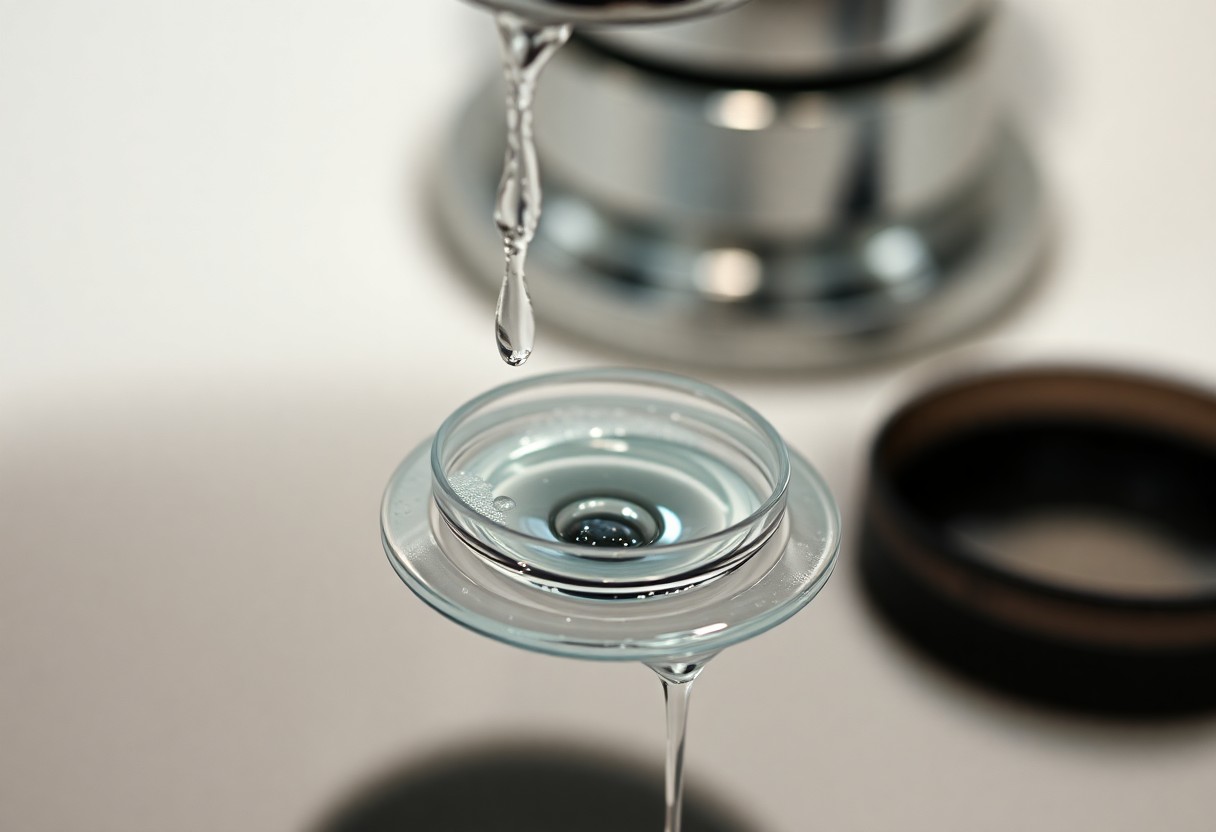
When tap water contacts lenses, trace chemicals like metals at ppb levels, residual disinfectants such as chlorine (commonly 0.2-2 ppm), and microbes interact with polymers and surface coatings. You may not see immediate damage, but these agents promote mineral and organic deposits, alter surface wettability, and encourage biofilm formation that traps pathogens such as Acanthamoeba and Pseudomonas, raising your risk of irritation and infection over weeks to months.
Interactions with soft (hydrogel, silicone hydrogel) and rigid lenses
Soft hydrogels (often 38-75% water) readily absorb dissolved ions, proteins, and disinfectant byproducts so you’ll notice faster deposition and comfort changes; silicone hydrogels balance higher oxygen transmissibility with variable uptake. Rigid gas permeable lenses contain little water and resist bulk absorption, but you still face surface adsorption, scratches, and microbe adherence. Clinically, you’ll find hydrogel lenses absorb contaminants more, while RGPs resist absorption but can harbor microbes on surfaces.
Deposits, swelling, reduced oxygen transmissibility, and material degradation
Mineral salts and protein/lipid films deposit on lens surfaces, causing visual blur and discomfort; swelling from osmotic shifts changes lens curvature and can reduce oxygen transmission, increasing corneal hypoxia. You may also see accelerated polymer degradation-loss of wettability, surface crazing, and increased tear film break-up-leading to earlier replacement intervals and higher infection susceptibility if biofilms form.
Mechanistically, chlorine and chloramines oxidize surface groups and denature adsorbed proteins, while trace metals like iron or copper catalyze oxidative chain reactions that weaken polymer chains. Microbes establish biofilms that both trap deposits and resist cleaning; once a biofilm is present, routine solutions remove organisms far less effectively, so you’ll experience recurring redness, deposits that resist enzymatic cleaners, and a higher chance of keratitis if tap water exposure continues.

Microbial risks in tap water
You encounter microbes and chemical residues in tap water that together threaten lens safety: Acanthamoeba, Pseudomonas and fungal spores can hitchhike on lenses, while trace chlorine and other chemicals can alter lens surfaces, increasing deposit buildup and microbial adhesion. Studies link showering or rinsing lenses with tap water to higher infection rates, and even low-level contaminants can shift your lens ecology toward persistent colonization.
Bacteria, fungi, and protozoa (including Acanthamoeba): sources and survival
Tap water, plumbing biofilms, showerheads and wells release microbes; Acanthamoeba cysts resist standard chlorine residuals and can survive months, while Pseudomonas and Fusarium tolerate low-nutrient water and warm temperatures (20-35°C). Case-series and CDC investigations repeatedly tie Acanthamoeba keratitis and bacterial keratitis to water exposure from rinsing, swimming or poor case hygiene, showing how environmental reservoirs seed your lenses.
Biofilm formation on lenses and cases
Organic deposits, microscopic scratches and polymer chemistry let microbes attach and produce an extracellular matrix that shields them; biofilms in lens cases are common, with contamination rates often exceeding 30-50%. Once formed, biofilms can raise disinfectant tolerance dramatically-sometimes by up to 1,000-fold-making routine solutions far less effective against entrenched populations on your lenses or case surfaces.
Biofilm development follows adhesion, microcolony growth, EPS production and maturation, then dispersal; you should know that lens material matters-silicone hydrogels’ surface properties and worn polymers encourage stronger attachment. Chlorine and trace chemicals can roughen or change surface charge, accelerating biofilm establishment. Clinically, biofilm-associated infections tend to persist, often requiring prolonged antibiotics, lens discontinuation and, in severe cases, surgical intervention to clear the infection.
Eye health consequences
Trace chemicals, chlorine and microbes in tap water can alter lens surfaces and your ocular environment. Municipal chlorine (typically ~0.2-2 mg/L) and trace metals accelerate protein and lipid deposition on hydrogel and silicone-hydrogel lenses, lowering comfort and lens oxygen transmissibility. Biofilms seeded by Pseudomonas or Acanthamoeba adhere to lenses, creating reservoirs that resist routine cleaners. Clinically, you may face increased redness, reduced tolerance, corneal edema or, in severe cases, infection-driven scarring and vision loss.
Irritation and contact lens‑related inflammatory responses
Chlorine and dissolved organics can strip surface treatments and increase deposit buildup, so you often experience dryness, itching, and intermittent blurred vision. Deposits and endotoxins trigger sterile inflammatory responses like CLARE (contact lens‑related acute red eye) or contact lens papillary conjunctivitis; symptoms include significant conjunctival injection, tearing and foreign‑body sensation within 24-48 hours. Managing deposits with proper cleaning and avoiding tap‑water exposure reduces the frequency and severity of these inflammatory flares.
Infectious keratitis and severe sight‑threatening outcomes
When microbes contaminate lenses, you risk rapidly progressive infectious keratitis. Pseudomonas causes up to ~50% of contact‑lens bacterial keratitis and can perforate the cornea within days if untreated. Acanthamoeba, though rarer, is highly aggressive and often linked to showering or rinsing lenses with tap water; it resists low‑level chlorine and standard disinfectants, making infections harder to eradicate and more likely to cause lasting visual impairment.
Biofilm formation on lens surfaces and storage cases acts as a persistent microbial reservoir that shelters bacteria and amoebae from multipurpose solutions. You should note that Acanthamoeba cysts withstand common chlorine/pool levels and require specific antiamoebic therapy (biguanides or diamidines) often administered for months; delayed diagnosis frequently leads to corneal scarring and sometimes corneal transplant. Immediate lens removal, culture‑guided topical therapy and urgent specialist referral markedly improve outcomes.
Common exposure scenarios and immediate responses
Showering, swimming, and rinsing lenses with tap water: stepwise actions
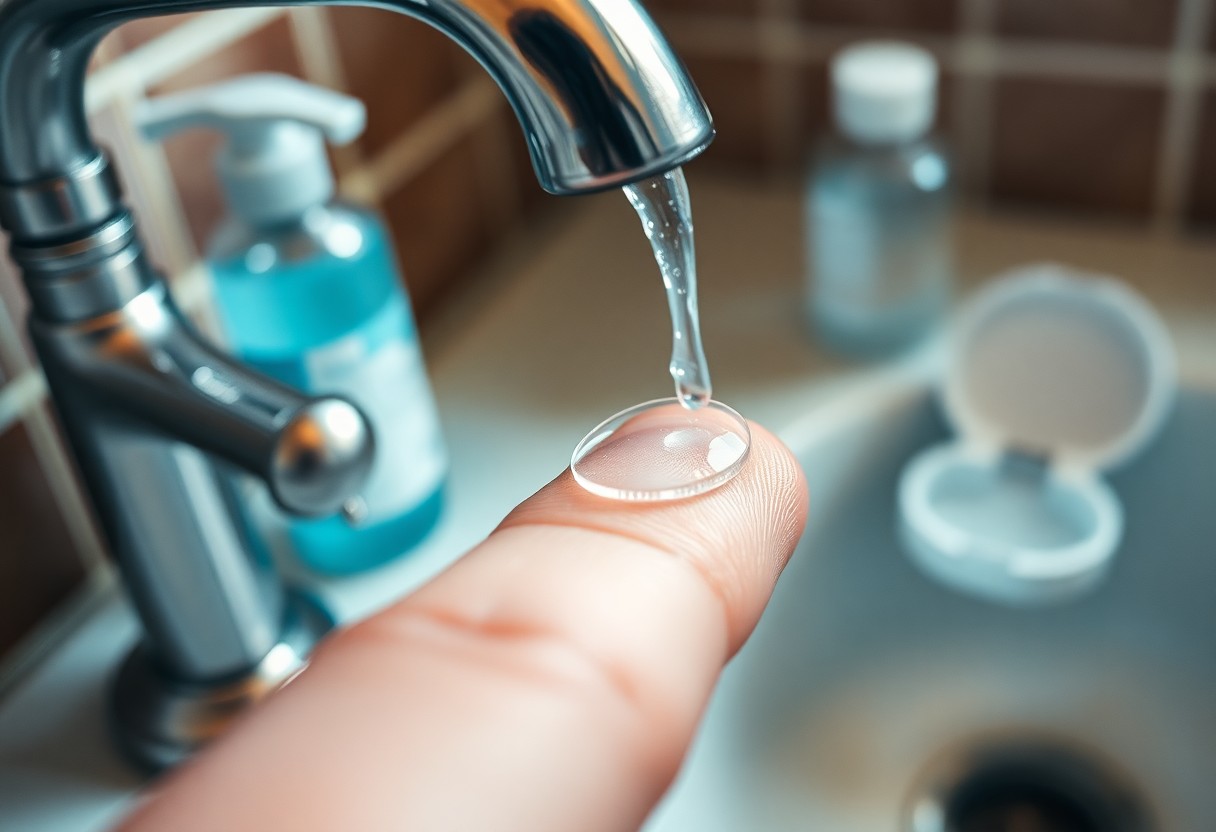
If your lenses get wet from showering, swimming, or rinsing with tap water, first wash your hands and remove the lenses immediately; daily disposables should be discarded. Next, do not rinse lenses with tap water-use sterile saline or contact-solution alternatives, or replace the pair. Be aware that pool chlorine (typically 1-3 ppm) and trace metals can etch lens polymers and increase deposits, while microbes like Pseudomonas and Acanthamoeba can adhere and form biofilms, so avoid reusing exposed lenses.
When to discard lenses and when to seek urgent care
Discard reusable lenses if they were immersed in tap or fresh water; if you used daily disposables, throw them away after exposure. Seek urgent care without delay if you develop severe pain, decreased vision, intense redness, tearing, or light sensitivity within 24-48 hours, since microbial keratitis-especially Acanthamoeba-can progress rapidly and threaten vision.
For more detail: if exposure was brief and you’re asymptomatic, you may remove lenses, clean with a multipurpose or 3% hydrogen peroxide system (adhere to the 4-6 hour neutralization soak), and monitor for 48 hours; however, persistent irritation, a white corneal spot, or worsening symptoms warrants immediate ophthalmic evaluation, corneal scraping and culture, and often targeted antimicrobial or anti‑amoebic therapy rather than mere observation.
Prevention and safe practices
Minimize lens exposure to tap water because even low-level disinfectants and minerals can alter polymer surfaces and trap microbes on lenses; municipal free chlorine residuals commonly range from 0.2-2.0 mg/L, which can change lens wettability, while trace chemicals and biofilms support survival of microbes like Acanthamoeba. Follow strict handling routines, dry your hands, and never rinse lenses or cases with tap water.
- trace chemicals
- chlorine
- microbes
Assume that you treat every water exposure as a contamination risk.
Approved cleaning solutions, case care, and replacement schedules
Use manufacturer-recommended cleaning solutions (multipurpose or neutralized hydrogen peroxide systems) and avoid homemade saline; hydrogen peroxide systems, when used per directions, inactivate microbes effectively. Empty and air-dry your lens case daily, scrub weekly, and replace the case every 3 months; do not “top off” old solution.
- cleaning solutions
- case care
- replacement schedules
Assume that strict adherence to these steps prevents many contact-related infections.
Safer options: daily disposables, water‑avoidance habits, travel tips
Switching to daily disposables removes reuse-related deposits and lowers handling time; avoid swimming or showering with lenses to cut water‑exposure risk, and when traveling pack unopened solution, an extra case, and spare lenses for at least 2 weeks. Bring certified disinfecting drops for emergencies and use sealed saline only for rinsing when necessary.
- daily disposables
- water‑avoidance
- travel tips
Assume that proactive planning vastly reduces contamination chances.
Daily disposables remove protein and lipid buildup that can trap microbes, and observational studies report lower complication rates compared with monthly reuse; for example, replacing reusable lenses on schedule and using a fresh case every 3 months reduces biofilm formation. In water environments, wear tight-fitting goggles and avoid submerging your head; if exposure occurs, discard that pair immediately.
- daily disposables
- water‑avoidance
- travel tips
Assume that choosing single-use lenses and strict water precautions offer the strongest everyday protection.
Final Words
With this in mind, you should avoid exposing your lenses to tap water because trace chemicals can deposit on lenses, altering fit and optical clarity; chlorine can degrade soft lens polymers and increase irritation; and microbes in water can adhere to lenses causing infections that threaten vision. If you swim or shower with lenses, follow safe handling and storage, and consult guidance like The Truth About Contact Lenses and Water Exposure to protect your eye health.
FAQ
Q: Can tap water residue damage contact lenses?
A: Yes. Tap water contains dissolved minerals (calcium, magnesium), trace metals, soaps, and organic residues from plumbing that can deposit on lens surfaces. Those deposits change wettability and optics, increase protein and lipid buildup, and can roughen the lens surface over time. Soft lenses pick up deposits more readily, which causes discomfort, blurred vision, and shorter usable life for the lens.
Q: How does chlorine in tap water affect lens material and my eyes?
A: Chlorine and chloramines used to disinfect municipal water are oxidizing agents that can alter polymer surfaces on some lenses. Exposure can break down surface coatings, leach plasticizers, and change lens stiffness or curvature slightly, reducing comfort and fit. Residual chlorine also denatures proteins and irritates the ocular surface, increasing redness, stinging, and susceptibility to microabrasions that raise infection risk.
Q: Can microbes in tap water on contact lenses cause eye infections?
A: Yes. Tap water can carry bacteria (e.g., Pseudomonas), fungi, and free-living protozoa such as Acanthamoeba that adhere to lenses and form biofilms resistant to routine cleaning. Those organisms can cause serious corneal infections (microbial keratitis, Acanthamoeba keratitis) that produce pain, light sensitivity, reduced vision, and may require intensive treatment. Avoid rinsing or storing lenses in tap water, do not swim or shower with lenses in, and use sterile multipurpose or hydrogen-peroxide solutions and proper case hygiene to minimize risk.
